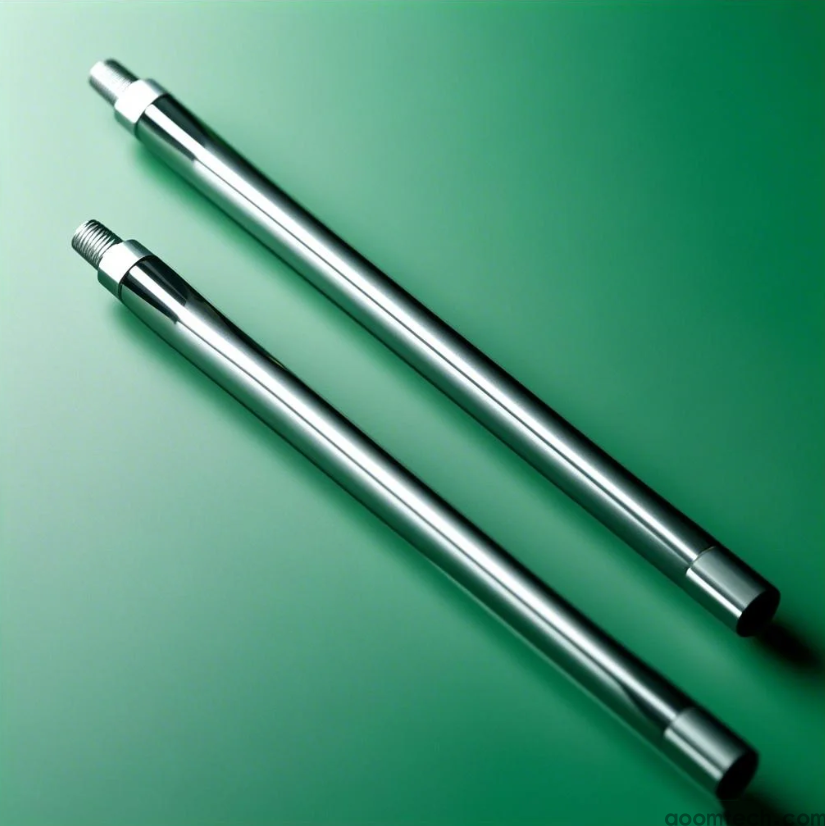
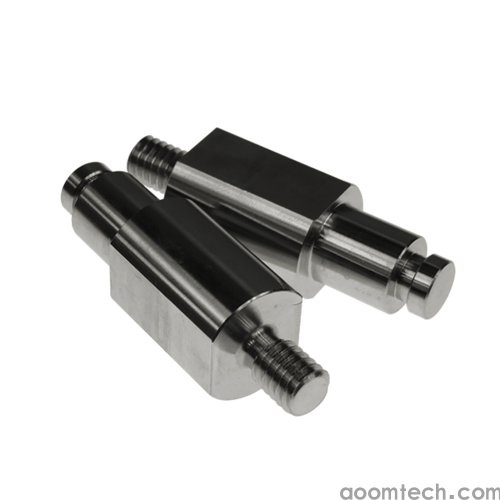
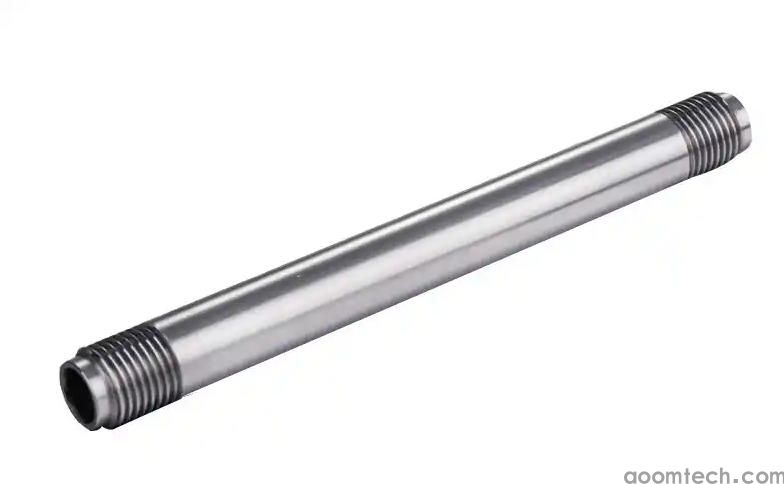
Custom Fasteners CNC Machining Services
Introduction to Custom Fasteners CNC Machining Services
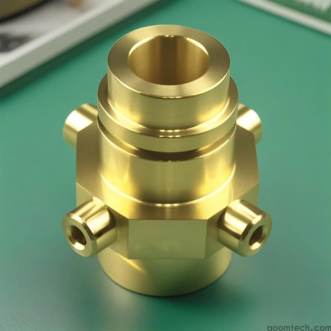
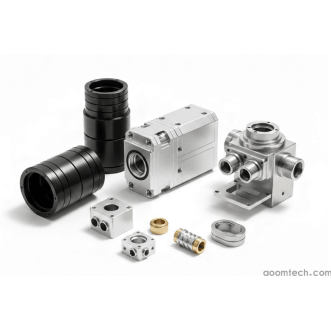
Custom fasteners CNC machining services play an important role in modern manufacturing industries. Fasteners such as bolts, nuts, screws, and pins are essential parts that hold products together. In many cases, standard fasteners are not enough, and custom-made fasteners are needed to meet special design, size, or performance requirements.
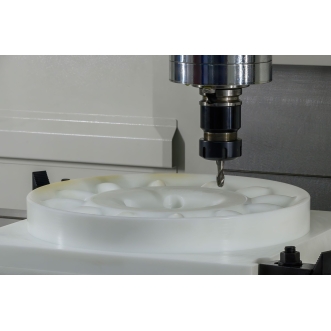
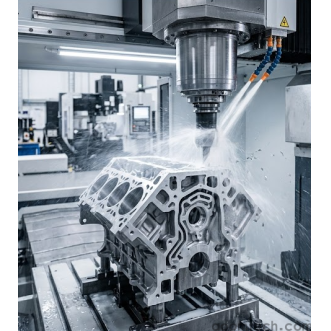
CNC (Computer Numerical Control) machining makes it possible to produce high-precision custom fasteners with consistent quality. With Custom Fasteners CNC Machining Services, manufacturers can create strong, accurate, and reliable fasteners that improve the safety and performance of final products in industries such as automotive, aerospace, electronics, and medical equipment.
The Significance of Custom Fasteners CNC Machining
Fasteners are small parts, but they are critical for product stability and safety. A weak or poorly made fastener can cause system failure. Custom fasteners are designed for specific functions, materials, or environments.
CNC machining ensures that each fastener is made with high accuracy and repeatability. This improves product reliability and reduces the risk of mechanical failure. As a result, custom fasteners help improve overall product quality and long-term performance.
Advantages of CNC Machining for Custom Fasteners
High Precision Manufacturing
CNC machining offers extremely high precision when producing custom fasteners. The computer-controlled process ensures exact dimensions such as thread pitch, diameter, head shape, and length.
For example, in aerospace applications, fasteners must handle high pressure and vibration. Even a small error in size can lead to serious safety risks. CNC machining ensures tight tolerances, improving safety and performance in demanding environments.
Design Flexibility
One major benefit of CNC machining is design flexibility. Manufacturers can create fasteners with unique shapes, special threads, or integrated features based on customer needs.
For example, in the automotive industry, custom fasteners may be designed for both function and appearance. Some fasteners may include locking systems or anti-loosening features that are not available in standard products.
Cost-Effectiveness for Small-Batch Production
For small or medium production runs, CNC machining is a cost-effective solution. Once the design and programming are complete, the machine can produce consistent parts without expensive custom tooling.
This reduces overall production cost and allows quick changes in design. For example, producing 200–500 custom bolts for a prototype project can be done efficiently without high setup costs.
Long-tail keyword: advantages of CNC machining for custom fasteners
Process of Custom Fasteners CNC Machining
Design and CAD/CAM Programming
The process starts with product design using CAD (Computer-Aided Design) software. Engineers create a 3D model of the fastener based on its function and requirements.
Then CAM (Computer-Aided Manufacturing) software converts the design into machine instructions. These instructions control tool paths, cutting speed, and feed rate to ensure accurate production.
Long-tail keyword: process of custom fasteners CNC machining
Material Selection and Preparation
Choosing the right material is very important. Common materials include stainless steel, carbon steel, aluminum, and titanium.
Stainless steel is used for corrosion resistance, while titanium is used for lightweight strength. The material must be prepared properly before machining to avoid defects and ensure quality results.
Machining Operations
Turning
In turning, the material rotates while cutting tools shape it into the required form. This process is often used to create the body and head of fasteners.
Threading
Threading is essential for screws and bolts. CNC machines create precise threads with correct pitch and depth to ensure strong connections.
Drilling and Countersinking
Drilling is used to create holes when needed. Countersinking ensures the fastener head fits properly into the surface for a clean finish.
Finishing and Quality Control
After machining, finishing processes such as deburring, polishing, or coating may be applied. These steps improve appearance and durability.
Quality control checks include measuring dimensions, testing thread accuracy, and verifying material strength. This ensures that every fastener meets strict standards before delivery.
Applications of Custom CNC-Machined Fasteners
Aerospace Industry
Custom fasteners are widely used in aircraft structures, engines, and control systems. They must be lightweight, strong, and resistant to extreme conditions.
CNC-machined titanium fasteners help reduce weight while maintaining safety and performance.
Automotive Industry
In vehicles, custom fasteners are used in engines, suspension systems, and body assembly. High precision ensures safety and long service life.
Some performance vehicles also use specially designed fasteners for improved strength and appearance.
Medical Device Industry
Medical equipment requires biocompatible and corrosion-resistant fasteners. CNC machining ensures smooth surfaces and precise dimensions for safe use in medical environments.
Long-tail keyword: applications of custom CNC-machined fasteners
Choosing a Custom Fasteners CNC Machining Service Provider
Experience and Expertise
Select a provider with strong experience in machining custom fasteners. Experienced manufacturers understand different materials, tolerances, and industry requirements.
They can solve complex production challenges more effectively and ensure stable product quality.
Quality Assurance System
A reliable provider should have strict quality control processes. This includes in-process inspection, final product testing, and use of precision measuring tools.
Consistent quality assurance helps prevent defective products from reaching customers.
Cost and Pricing Transparency
Clear pricing is important when selecting a service provider. A good company will explain material cost, machining cost, and additional fees clearly.
Comparing multiple quotes helps you understand market pricing and choose a cost-effective solution.
Delivery Time and Customer Service
Fast and reliable delivery is essential for production schedules. Good customer service ensures smooth communication and timely updates during production.
Poor communication or delays can disrupt entire projects and increase costs.
Long-tail keyword: choosing a custom fasteners CNC machining service provider
Conclusion: Making the Right Choice
Custom fasteners CNC machining services are essential for producing high-quality, precise, and reliable fastening components. They offer strong advantages such as precision, flexibility, and cost efficiency for small-batch production.
These services are widely used in aerospace, automotive, and medical industries, where safety and performance are critical.
When selecting a provider, consider experience, quality control, pricing transparency, and delivery reliability. Understanding these factors will help you choose the right partner for your project.
Start by researching reliable manufacturers and comparing their capabilities to find the best solution for your custom fastener needs.
RELATED PRODUCTS
-
Medical Brass CNC Machining Parts
-
Precision CNC Machining PEEK Services
-
Precision Custom CNC Machined Car Parts
-
cnc machining optical housings
-
Precision CNC Casting Machining Services
-
Precision Gear CNC Machining Services
-
Precision Stainless Steel Parts CNC Mach
-
CNC Machining of Precision Aluminum Tube
-
CNC Machining of Large Precision Aluminu
-
CNC Machining & Manufacturing of Pre