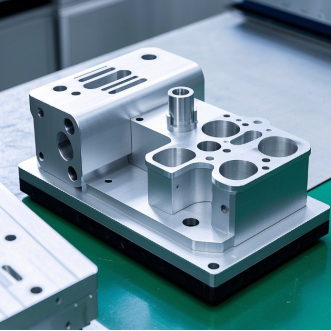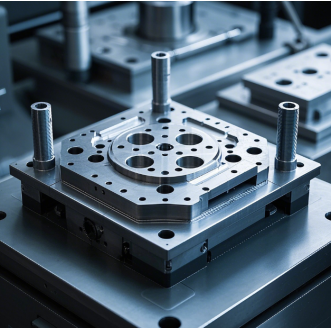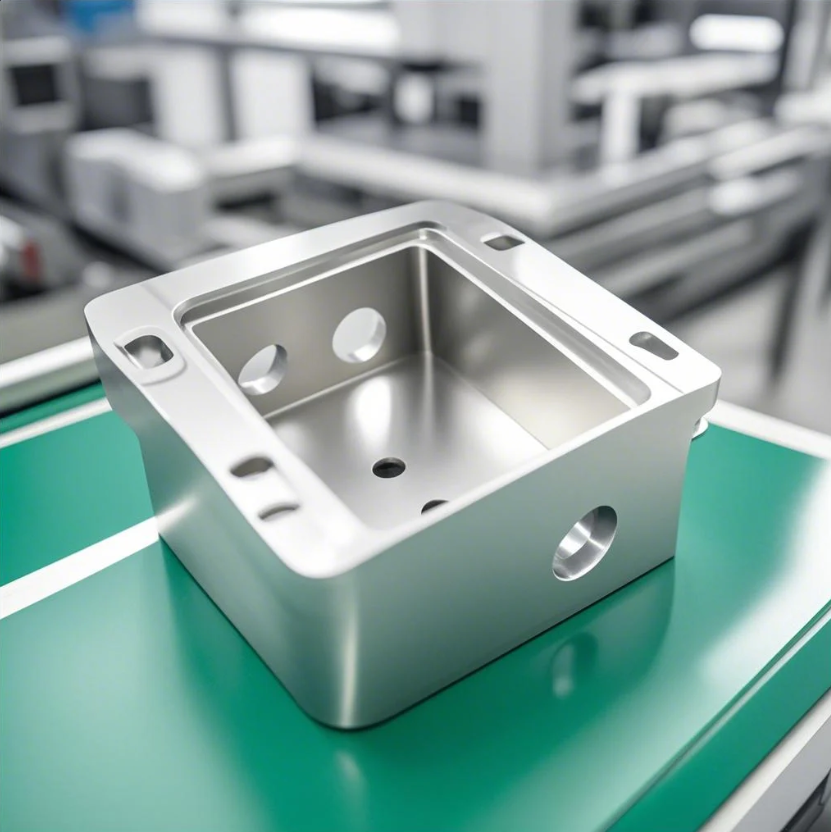
Custom Housing CNC Machining
Introduction to Custom Housing CNC Machining
Custom housings are important parts used in many industries such as electronics, automotive, medical devices, and industrial equipment. They protect internal components, provide structural support, and help organize complex systems inside a product. In modern manufacturing, CNC (Computer Numerical Control) technology is widely used to produce these housings with high accuracy and consistency.
The significance of custom-machined housings is clear in product design. They improve functionality, enhance appearance, and increase durability. With Custom Housing CNC Machining, manufacturers can create precise enclosures that perfectly match product requirements while maintaining high quality and repeatability.
The Significance of Custom-Machined Housings
Custom housings play a key role in ensuring that electronic and mechanical components are safely protected and properly arranged. They are not just protective shells; they also support performance, cooling, and user experience. CNC machining makes it possible to produce these housings with tight precision and smooth finishing, which is essential for modern high-performance products.
Importance of Custom Housing CNC Machining
Meeting Specific Requirements
The importance of custom housing CNC machining lies in its ability to meet exact design needs. Every product may have different internal components, sizes, and functions. CNC machining allows engineers to design housings that fit perfectly around these requirements.
For example, in the electronics industry, a housing for a circuit board must include precise mounting points, connector openings, and ventilation areas. In a high-end audio amplifier, a custom-machined housing can reduce electromagnetic interference and improve heat dissipation, ensuring better sound quality and stable performance.
Enhancing Product Differentiation
Custom CNC-machined housings also help products stand out in competitive markets. A unique and well-designed enclosure improves both visual appeal and brand identity.
For instance, many premium consumer electronics products use aluminum housings with smooth CNC finishes. These designs not only look modern and high-end but also improve durability and heat control, giving the product a clear advantage over standard plastic enclosures.
Process of Custom Housing CNC Machining
Design and CAD/CAM Programming
The process of custom housing CNC machining begins with CAD (Computer-Aided Design). Engineers create a detailed 3D model of the housing, including all internal and external features. This design considers component layout, airflow, strength, and appearance.
Next, CAM (Computer-Aided Manufacturing) software converts the design into machine instructions. These instructions define toolpaths, cutting speed, feed rate, and spindle speed. For example, in a medical device housing, programmers must ensure high precision and smooth surfaces to meet strict safety and hygiene standards.
Material Selection and Preparation
Choosing the right material is critical in CNC machining. Common materials include aluminum, stainless steel, plastics, and engineering composites. Each material offers different benefits such as strength, weight, corrosion resistance, and electrical insulation.
Before machining, materials may be cut into blocks or pre-treated. Metals may be annealed to reduce hardness, while plastics may be dried to prevent deformation. The material choice directly affects machining speed, tool wear, and final product quality.
Machining Operations
Milling
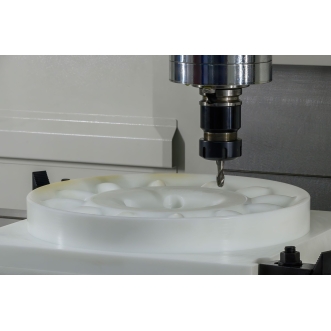
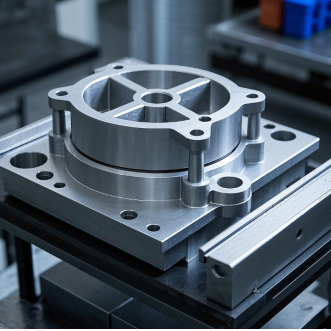
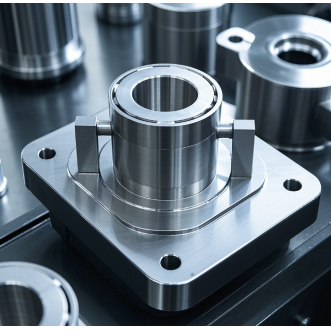
Milling is the main process used to shape custom housings. It creates outer shapes, internal cavities, and functional features such as slots and holes. Cutting tools must be carefully selected depending on material hardness. Hard metals require slower cutting speeds to ensure accuracy and reduce tool wear.
Drilling
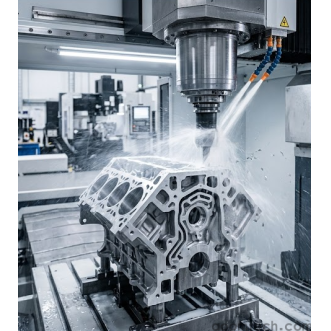
Drilling is used to create precise holes for screws, wiring, and ventilation. Accurate positioning is essential. Coolant is often used to reduce heat and prevent tool damage during the process.
Turning (If Needed)
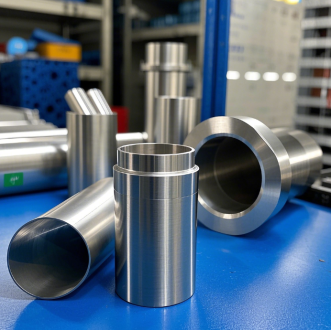
If the housing includes cylindrical shapes, turning is used. The material rotates while the cutting tool removes excess material. This process ensures smooth round surfaces and accurate dimensions.
Finishing Operations
After machining, finishing processes improve both appearance and performance. These may include polishing, sandblasting, painting, or anodizing.
For example, anodized aluminum housings offer improved corrosion resistance and a professional appearance, making them popular in consumer electronics and industrial equipment.
Benefits of CNC-Machined Custom Housing
High Quality and Precise Fit
The benefits of CNC-machined custom housing include excellent accuracy and consistency. All components fit perfectly, reducing assembly issues and improving product reliability. For example, camera housings require exact alignment to ensure lens and sensor stability.
Cost-Effectiveness for Small to Medium Batches
CNC machining is cost-effective for low and medium production volumes. Unlike mass production methods that require expensive molds, CNC machining allows flexible production without high setup costs. This is ideal for startups and customized product lines.
Quick Turnaround for Prototyping and Urgent Orders
CNC machining supports fast production. Companies can quickly test prototypes or respond to urgent market needs. For example, a company preparing for a trade show can receive a working prototype housing in a short time, allowing them to demonstrate their product on schedule.
Challenges in Custom Housing CNC Machining
Meeting Tight Tolerances
The challenges in custom housing CNC machining often include maintaining very tight tolerances. Even small changes caused by tool wear or temperature changes can affect product fit. Regular inspection and machine calibration are necessary to maintain accuracy.
Tool Wear and Breakage
Hard materials and complex designs can cause tools to wear out quickly. This increases production cost and may affect machining quality. For example, machining stainless steel housings may require frequent tool replacement to maintain precision.
Complex Geometries and Features
Modern housings often include complex internal structures. These designs require advanced programming and careful setup. In some cases, trial and adjustment are needed before achieving the final correct machining process.
Choosing a Custom Housing CNC Machining Service Provider
Experience in Custom Housing Machining
When choosing a custom housing CNC machining service provider, experience is very important. A skilled provider understands material behavior, design optimization, and production challenges. They can also suggest improvements to reduce cost and improve manufacturability.
Quality Assurance Measures
A reliable provider must have strong quality control systems. This includes in-process inspection, final measurement checks, and the use of precise measuring tools. These steps ensure that each housing meets design requirements before delivery.
Cost-Effectiveness and Pricing Transparency
Clear pricing is essential. A good service provider explains all costs, including materials, machining time, and finishing processes. Comparing multiple quotes helps customers find the best balance between price and quality.
Conclusion: Selecting the Right Custom Housing CNC Machining Service
Custom housings are essential components in many modern products. They provide protection, structure, and visual appeal. Through Custom Housing CNC Machining, manufacturers can achieve high precision, flexibility, and consistent quality.
Understanding the process, benefits, and challenges helps businesses make better decisions. When selecting a service provider, factors such as experience, quality control, and transparent pricing are key.
By carefully evaluating these points, companies can successfully choose the right partner and ensure the long-term success of their products.
RELATED PRODUCTS
-
Medical Brass CNC Machining Parts
-
Precision CNC Machining PEEK Services
-
Precision Custom CNC Machined Car Parts
-
cnc machining optical housings
-
Precision CNC Casting Machining Services
-
Precision Gear CNC Machining Services
-
Precision Stainless Steel Parts CNC Mach
-
CNC Machining of Precision Aluminum Tube
-
CNC Machining of Large Precision Aluminu
-
CNC Machining & Manufacturing of Pre