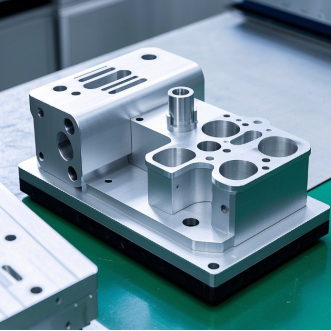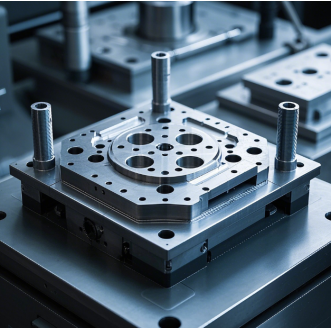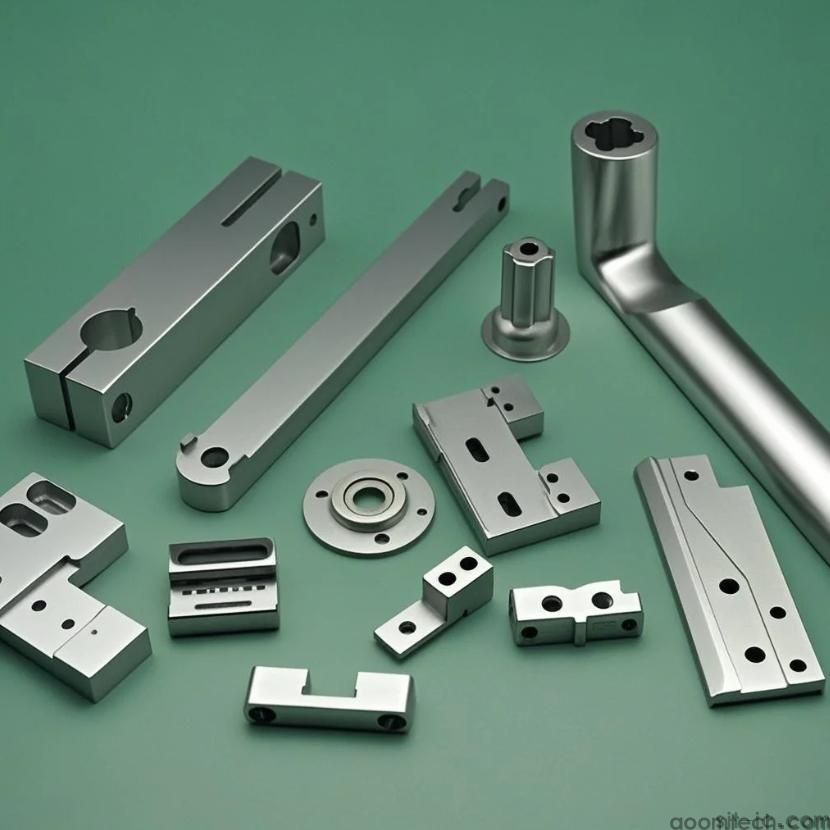
Custom Metal Parts CNC Machining
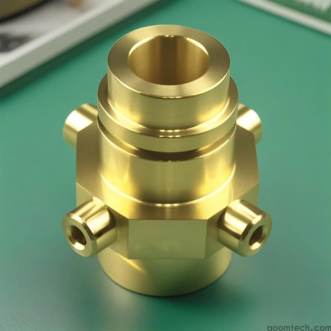
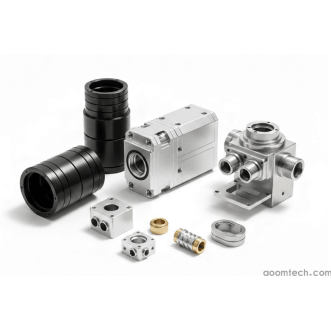
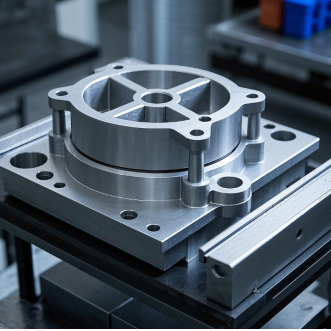
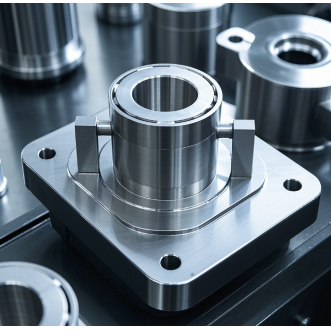
Custom Metal Parts CNC Machining is a modern manufacturing method used to produce metal components that are designed for specific needs. It uses computer-controlled machines to cut, shape, and finish metal materials with high accuracy. This process is widely used in industries such as automotive, aerospace, medical, and industrial equipment manufacturing.
The main value of custom CNC machining is that it helps companies create unique parts that standard products cannot provide. These parts improve product performance, support innovation, and meet special technical requirements in different industries.
The Significance of Custom Metal Parts CNC Machining
Custom metal parts CNC machining plays an important role in modern production. Many industries need parts that are not available in standard catalogs. With CNC machining, manufacturers can design and produce metal parts exactly according to technical drawings.
This process supports product innovation and allows companies to develop better machines, tools, and devices. It also helps meet niche market demands where special shapes, sizes, or materials are required.
Advantages of Custom Metal Parts CNC Machining
High Precision Manufacturing
One of the biggest advantages of custom metal parts CNC machining is high precision. CNC machines follow digital instructions, which helps produce parts with very tight tolerances. This is very important in industries like aerospace, where even a small error can affect safety and performance.
High precision also reduces waste and improves product quality because fewer defective parts are produced.
Design Flexibility
CNC machining offers great flexibility in design. Complex shapes, fine details, and special structures can all be produced without major limitations. For example, industrial machines may require internal channels or unusual geometries that are difficult to produce with traditional methods.
With CNC technology, these complex designs can be turned into real products with high accuracy.
Material Compatibility
CNC machining works with many types of metals, including steel, aluminum, titanium, and brass. Each material has different strengths and properties.
For example, titanium is often used in medical implants because it is strong, lightweight, and biocompatible. CNC machines can process titanium carefully to maintain its structure and performance.
Process of Custom Metal Parts CNC Machining
Design and CAD/CAM Programming
The process of custom metal parts CNC machining starts with design. Engineers use CAD software to create a 3D model of the part. This model includes all dimensions and technical details.
Then, CAM software converts the design into machine instructions. These instructions define tool paths, cutting speed, and feed rate. This ensures the machine produces the part exactly as designed.
Material Selection and Preparation
Choosing the right material is very important. Different metals have different strength, hardness, and corrosion resistance.
For example, stainless steel is used in marine environments because it resists rust, while aluminum is chosen for lightweight structures in the automotive industry.
After selection, the raw material is cut and inspected before machining begins.
Machining Operations
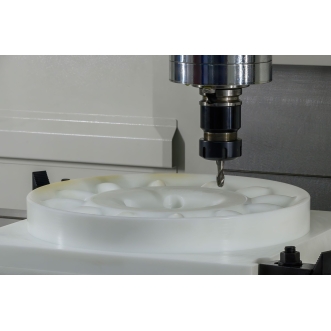
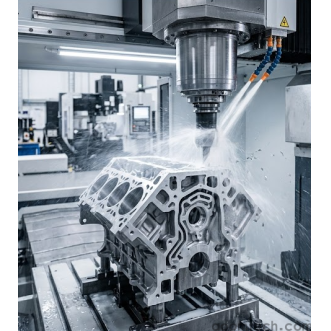
Milling: Used to create flat surfaces, slots, and complex shapes. Cutting speed and feed rate must be adjusted based on material hardness.
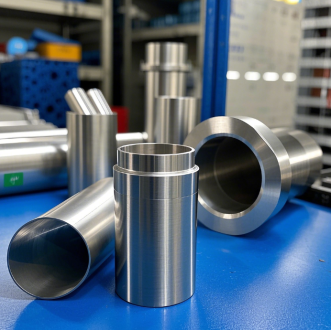
Turning: Used for cylindrical parts. The workpiece rotates while the tool removes material. It is commonly used for shafts and rods.
Drilling: Used to create holes. Proper drill selection and coolant use are important to avoid tool damage and ensure accuracy.
Heat Treatment and Surface Finishing
Heat treatment improves metal strength and durability. Processes like annealing or quenching change the internal structure of the metal.
Surface finishing such as polishing, coating, or plating improves appearance and corrosion resistance. For example, a steel part may be plated to extend its lifespan in harsh environments.
Quality Control
Quality control ensures every part meets required standards. Tools like calipers, micrometers, and CMM machines are used to check dimensions and accuracy.
Inspection at different stages helps prevent defective parts from reaching customers.
Applications of Custom CNC-Machined Metal Parts
Automotive Industry
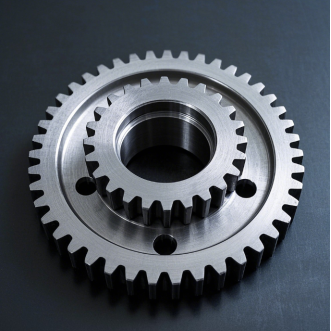
Applications of custom CNC-machined metal parts in the automotive industry include engine parts, gears, and suspension components. These parts must be strong and precise to ensure safety and performance.
Aerospace Industry
In aerospace, CNC-machined metal parts are used in turbine blades, structural frames, and fasteners. These parts must be lightweight yet extremely strong. Titanium and aluminum alloys are commonly used.
Medical Industry
Medical devices such as surgical tools and implants rely on CNC machining. High precision and biocompatibility are essential to ensure patient safety and reliability.
Choosing a Custom Metal Parts CNC Machining Service Provider
Experience and Expertise
When selecting a manufacturer, experience is very important. A skilled provider understands how to handle different metals and complex designs. This reduces production risks and improves quality.
Quality Assurance
A reliable provider should have strong quality control systems. This includes in-process inspections and final testing to ensure all parts meet specifications.
Cost-Effectiveness and Pricing Transparency
When choosing a custom metal parts CNC machining service provider, always compare prices and check what is included. Transparent pricing should clearly show material costs, machining costs, and additional fees.
Delivery Time and Customer Service
Fast delivery and good communication are important. Delays in production can affect entire supply chains, so choose a provider who can meet deadlines and provide updates.
Cost Factors in Custom Metal Parts CNC Machining
Part Complexity
Complex designs require more machining time and advanced tools. This increases cost, especially for parts with detailed internal structures.
Material Costs
Different metals have different prices. High-performance materials like titanium or specialized alloys are more expensive than standard aluminum or steel.
Volume of Production
Larger production volumes usually reduce unit cost. Setup costs are shared across more parts, making mass production more cost-effective.
Conclusion
Custom Metal Parts CNC Machining is an essential manufacturing solution for modern industries. It provides high precision, flexibility, and compatibility with many materials.
Understanding the process of custom metal parts CNC machining, its advantages, applications, and cost factors helps businesses make better decisions.
If you are planning a project, carefully evaluate your requirements and compare different suppliers to ensure the best quality and value for your custom metal parts.
RELATED PRODUCTS
-
Medical Brass CNC Machining Parts
-
Precision CNC Machining PEEK Services
-
Precision Custom CNC Machined Car Parts
-
cnc machining optical housings
-
Precision CNC Casting Machining Services
-
Precision Gear CNC Machining Services
-
Precision Stainless Steel Parts CNC Mach
-
CNC Machining of Precision Aluminum Tube
-
CNC Machining of Large Precision Aluminu
-
CNC Machining & Manufacturing of Pre