Custom Non-standard Parts CNC Machining Services
Introduction to Custom Non-standard Parts CNC Machining Services
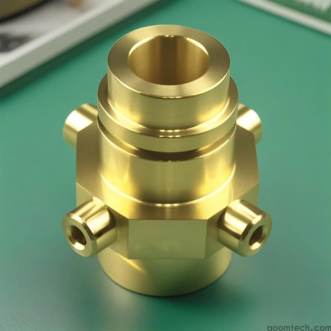
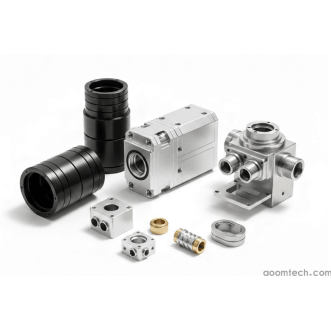
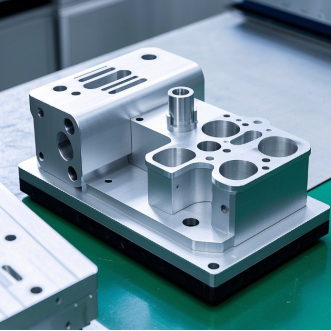
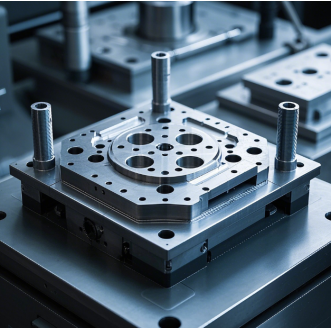
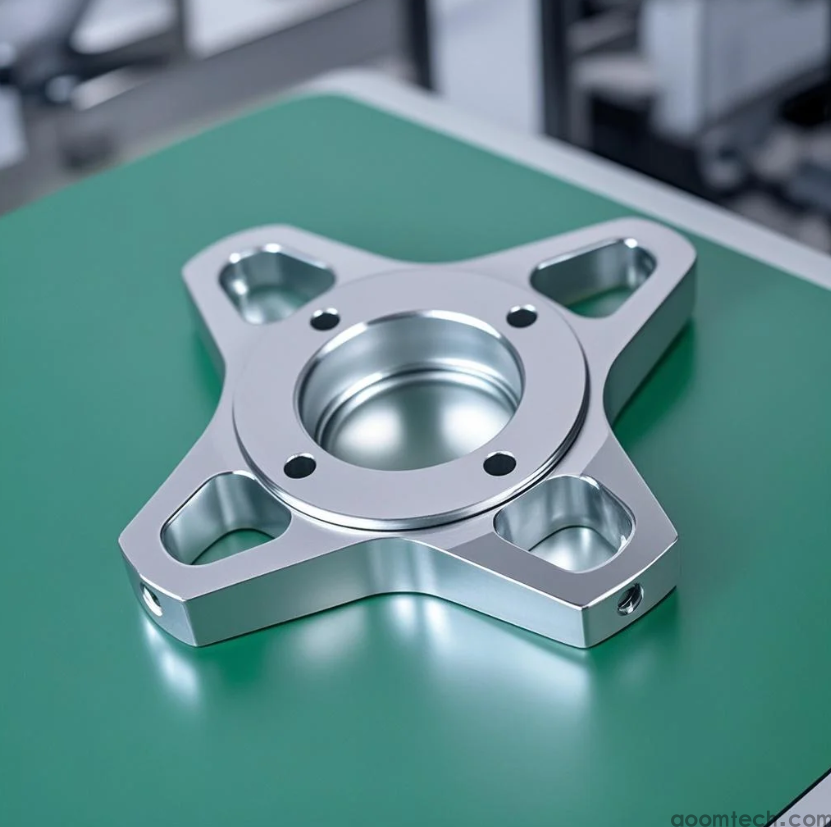
Custom Non-standard Parts CNC Machining Services are an important solution in modern manufacturing. They help companies produce unique parts that are not available as standard products in the market. These parts are designed for specific functions, special machines, or unique product requirements.
With CNC (Computer Numerical Control) technology, manufacturers can produce complex and precise parts efficiently. This makes it possible to turn a custom design into a real product with high accuracy and consistent quality.
The Significance of Custom Non-standard Parts CNC Machining
Many industries cannot rely only on standard parts because their machines or products require special designs. Custom non-standard parts CNC machining services solve this problem by offering flexible production based on customer drawings and needs.
These services are widely used in industries such as aerospace, automotive, electronics, and medical devices. They help improve product performance, reduce design limitations, and support innovation in engineering.
Advantages of CNC Machining for Custom Non-standard Parts
High Precision and Accuracy
One of the biggest benefits is high precision. CNC machines follow computer instructions to produce parts exactly as designed. This reduces human error and ensures consistent quality.
For example, in the electronics industry, connectors for circuit boards must fit perfectly. Even a small error can affect electrical performance. CNC machining helps ensure every part meets strict requirements, improving reliability and reducing waste.
Design Flexibility
CNC machining allows manufacturers to create complex shapes and special structures that are difficult to make using traditional methods. This is very important for non-standard parts, which often have unique designs.
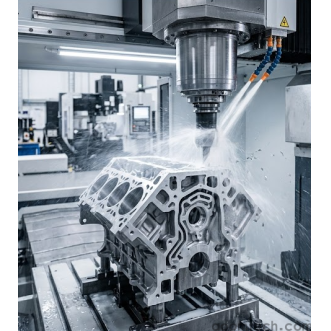
For example, in automotive performance upgrades, custom engine components can be designed to improve airflow or reduce weight. This flexibility helps engineers turn creative ideas into real products without major design limits.
Cost-effectiveness for Small-batch Production
For small or medium production runs, CNC machining is cost-effective. Once the design and programming are completed, the machine can produce parts repeatedly with minimal setup time.
This reduces the need for expensive molds or special tools. For example, a company producing 50–200 custom parts can save cost compared to traditional manufacturing methods, while still maintaining high quality.
Process of Custom Non-standard Parts CNC Machining
Design and CAD/CAM Programming
The process starts with a detailed design. Engineers use CAD (Computer-Aided Design) software to create a 3D model of the part. This model defines size, shape, and function.
Next, CAM (Computer-Aided Manufacturing) software converts the design into machine instructions. These instructions include tool paths, cutting speed, and movement direction. This step is very important because it ensures the machine understands exactly how to produce the part.
Material Selection and Preparation
Choosing the right material is essential for performance and durability. Different materials have different properties:
Aluminum: lightweight and corrosion-resistant
Steel: strong and durable
Stainless steel: corrosion-resistant and long-lasting
After selection, materials are cut and prepared to fit the machining process. Proper preparation helps improve accuracy and efficiency during production.
Machining Operations
Milling
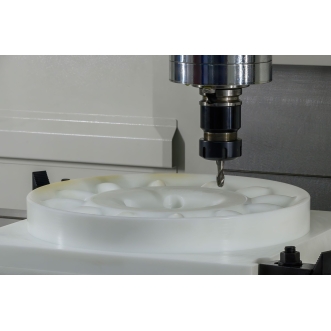
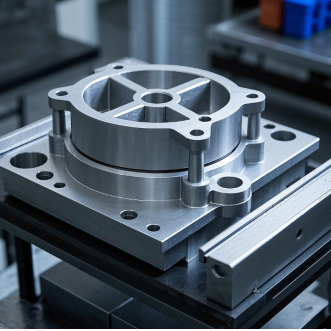
Milling is used to create flat surfaces, grooves, and complex 3D shapes. Different cutting tools are used depending on the design. Adjusting speed and feed rate helps achieve a smooth surface and accurate shape.
For example, milling can be used to create a custom cavity inside a mechanical housing for a special component.
Turning
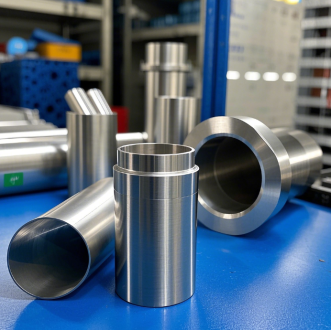
Turning is used for cylindrical parts such as shafts or rings. The material rotates while the cutting tool shapes it. This process requires precise control to ensure smooth surface finish and correct dimensions.
Drilling
Drilling is used to create holes in parts. The size and depth of the hole depend on the design requirements. Techniques like peck drilling help prevent tool damage when making deep holes.
Finishing and Quality Control
After machining, finishing processes improve the final product. These may include deburring, polishing, or coating for protection.
Quality control is also very important. Tools like calipers and micrometers are used to check dimensions. This ensures every part meets required standards and functions correctly in real applications.
Applications of Custom Non-standard CNC-machined Parts
Aerospace Industry
In aerospace, every part must be lightweight, strong, and reliable. Custom non-standard parts are used in brackets, connectors, and engine components. CNC machining ensures these parts meet strict safety and performance requirements.
Medical Device Industry
Medical devices often require highly precise and customized components. Examples include surgical tools and orthopedic implants. CNC machining ensures accuracy and safety, which are critical in medical applications.
Automotive Aftermarket
In the automotive industry, custom parts are often used to improve performance or appearance. These may include custom exhaust systems, suspension parts, or engine upgrades. Such parts help enhance driving experience and vehicle efficiency.
Choosing a Service Provider for Custom Non-standard Parts CNC Machining
Experience and Expertise
When selecting a supplier, experience is very important. A skilled provider understands complex designs and can solve technical challenges effectively. This reduces production risks and improves final quality.
Quality Assurance
A reliable provider should have strong quality control systems. This includes inspection during production and final testing before delivery. Good quality assurance ensures parts meet required standards every time.
Cost and Pricing Transparency
Clear pricing is important for budget planning. A good provider should explain costs such as materials, machining time, and finishing processes. Comparing multiple quotes helps customers find fair pricing.
Delivery Time and Customer Service
Fast delivery and good communication are essential. A reliable supplier provides updates during production and responds quickly to questions. This helps avoid delays and ensures smooth project progress.
Conclusion: Making the Right Choice in Custom Non-standard Parts CNC Machining
Custom Non-standard Parts CNC Machining Services play a key role in modern manufacturing by enabling the production of unique and high-precision components.
Key benefits include high precision, design flexibility, and cost-effective small-batch production. The process involves design, material selection, machining, and quality control. These services are widely used in aerospace, medical, and automotive industries.
When selecting a provider, it is important to consider experience, quality assurance, pricing transparency, and delivery reliability.
By understanding these factors, businesses can make better decisions and choose the right partner for their manufacturing needs. Start by researching reliable suppliers who can support your custom non-standard part projects effectively.
RELATED PRODUCTS
-
Medical Brass CNC Machining Parts
-
Precision CNC Machining PEEK Services
-
Precision Custom CNC Machined Car Parts
-
cnc machining optical housings
-
Precision CNC Casting Machining Services
-
Precision Gear CNC Machining Services
-
Precision Stainless Steel Parts CNC Mach
-
CNC Machining of Precision Aluminum Tube
-
CNC Machining of Large Precision Aluminu
-
CNC Machining & Manufacturing of Pre