High Volume Parts CNC Machining
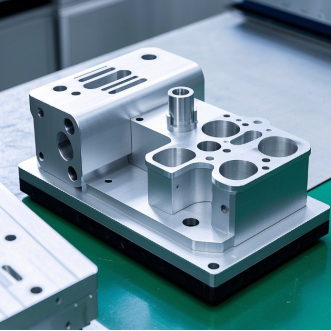
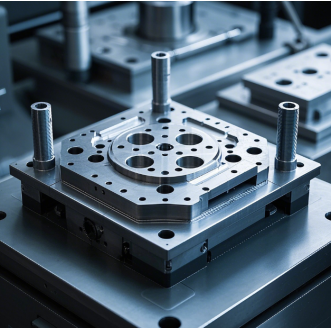
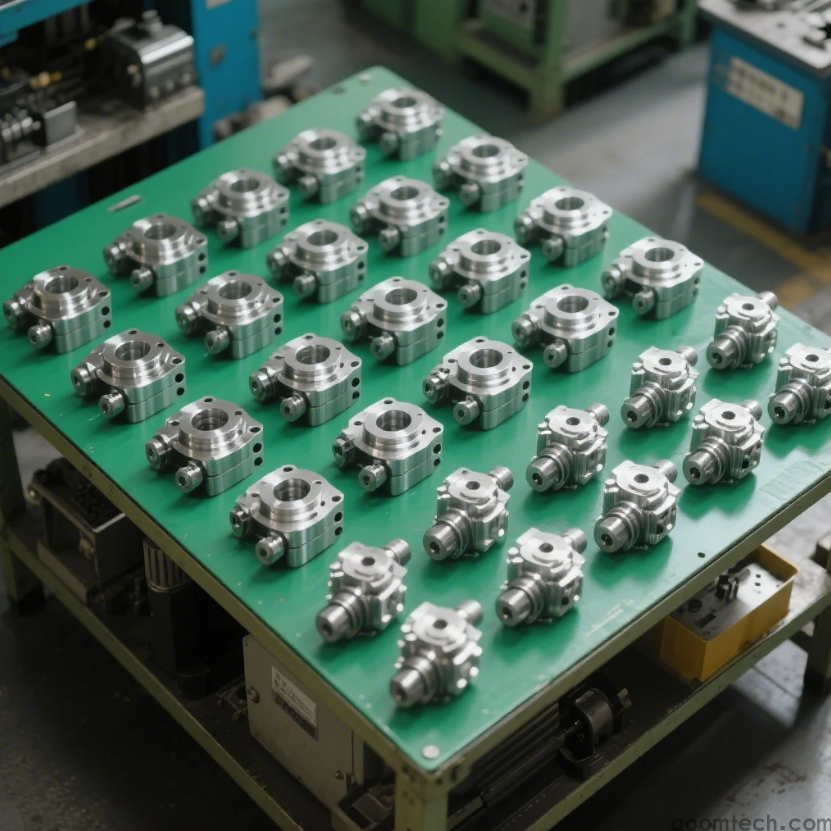
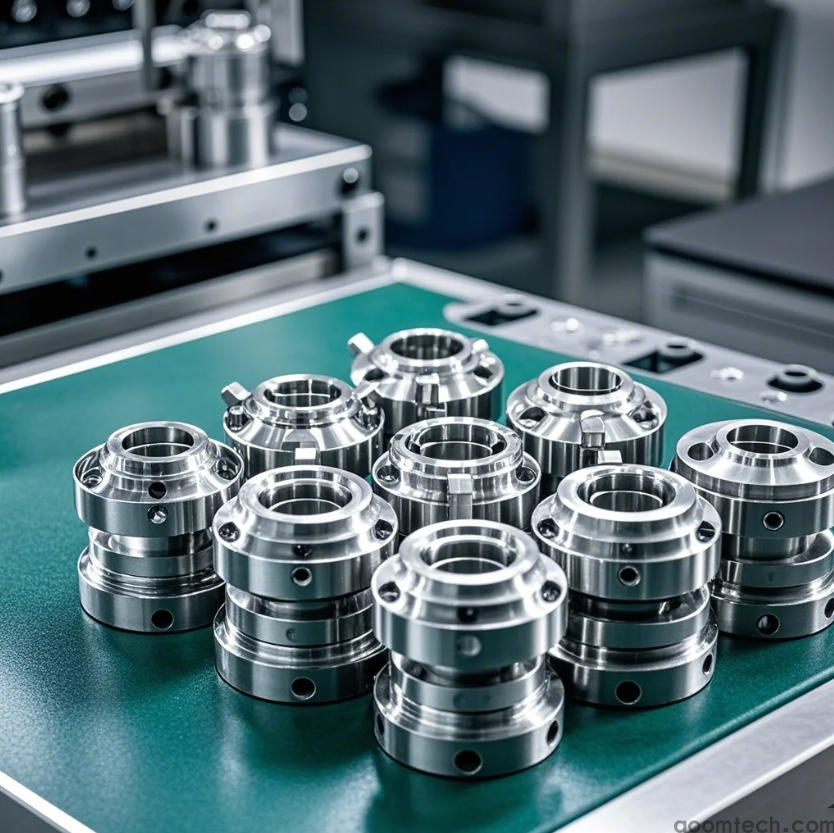
High Volume Parts CNC Machining is a manufacturing approach used to produce large quantities of identical components with high precision and consistency. It is widely used in industries such as automotive, electronics, aerospace, and consumer goods, where thousands or even millions of parts are required to support global demand.
Introduction to High Volume Parts CNC Machining
The Significance of High-Volume Parts Production
High-volume parts are essential for modern mass production industries. Products we use every day—cars, smartphones, home appliances—depend on thousands of precision-made components working together.
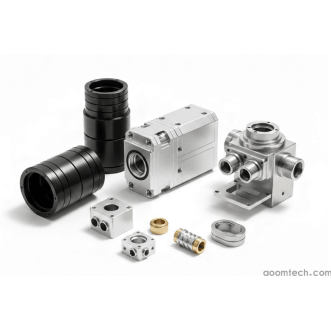
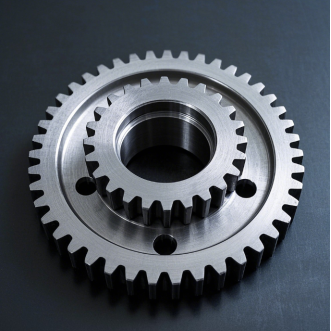
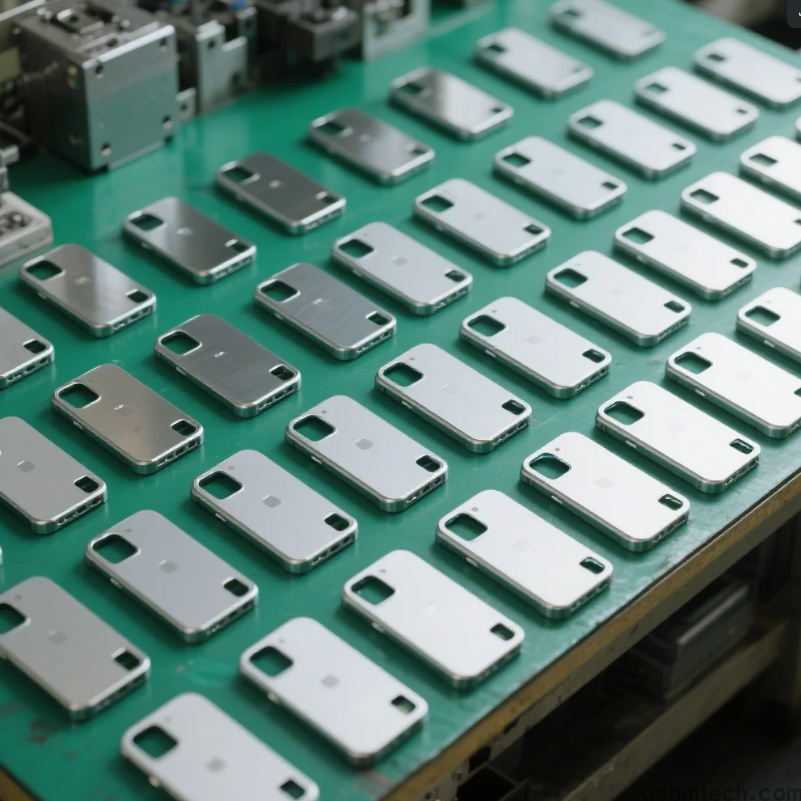
Examples include automotive engine pistons, smartphone casings, and washing machine components. These parts must be produced in large quantities while maintaining strict dimensional accuracy and surface quality. Without reliable production methods, global manufacturing supply chains would not function efficiently.
High Volume Parts CNC Machining ensures that these components are produced consistently, supporting stable production lines and product reliability.
Importance of CNC Machining for High-Volume Parts
Consistent Precision
CNC machining (Computer Numerical Control) is controlled by programmed instructions, allowing machines to produce identical parts repeatedly. This is critical for high-volume production, where even small variations can cause assembly issues.
For example, in a car engine, if pistons vary slightly in size, it can lead to uneven combustion, reduced efficiency, or even engine failure. CNC technology ensures every part meets the same tolerance requirements.
Efficiency in Mass Production
Once a CNC program is set up, machines can operate continuously with minimal human intervention. Automated tool changers, optimized toolpaths, and reduced setup time significantly increase production speed.
This makes CNC machining ideal for large-scale manufacturing, such as producing smartphone casings or appliance components in bulk.
Cost-Effectiveness for High-Volume Production
Although initial setup costs may be higher, CNC machining becomes highly cost-effective at scale. As production volume increases, the cost per unit decreases due to automation, reduced labor requirements, and optimized material usage.
This makes it one of the most efficient methods for large production runs.
CNC Machining Processes for High-Volume Parts
Milling
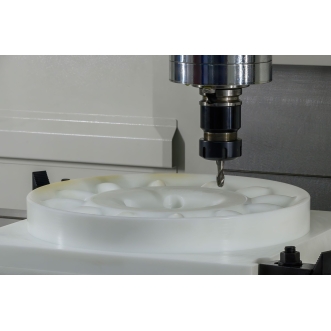
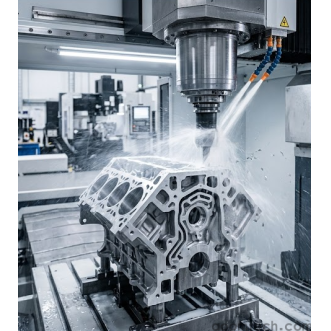
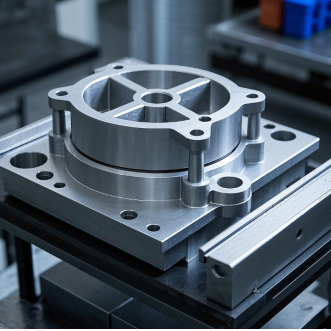
CNC milling for high-volume parts involves a rotating cutting tool that removes material to form shapes such as slots, holes, and flat surfaces. Carbide-coated tools are commonly used for durability in long production runs.
Cutting parameters such as spindle speed, feed rate, and depth of cut must be optimized to balance speed and tool life. For example, aluminum parts can be machined at higher speeds than steel components.
Turning
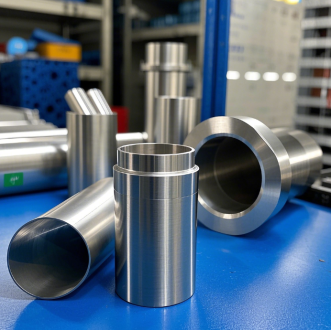
Turning is used to produce cylindrical components such as shafts and bushings. The workpiece rotates while the cutting tool shapes the outer or inner surface.
Maintaining concentricity and surface finish is essential in high-volume production. Chip control tools and coolant systems help improve efficiency and tool life.
Drilling
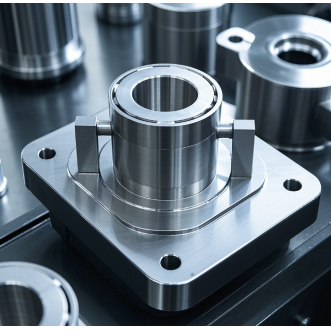
Drilling creates precise holes required for assembly, wiring, or fluid passage. In high-volume production, consistency is critical, especially for electronics or automotive components.
High-speed drills and optimized feed rates ensure accuracy while maintaining production speed.
Materials Used in High Volume CNC Machined Parts
Metals
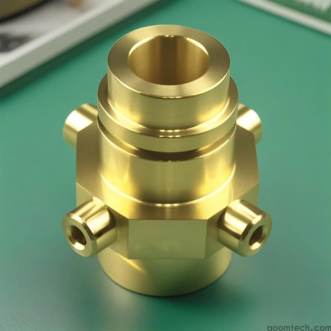
Common metals include steel, aluminum, and copper.
Steel: Strong and durable, widely used in automotive and industrial components.
Aluminum: Lightweight and corrosion-resistant, commonly used in electronics and automotive parts.
Copper: Excellent electrical conductivity, used in connectors and electrical systems.
Each metal has different machining requirements. Steel requires stronger tools and slower cutting speeds, while aluminum allows faster machining but requires careful chip control.
Plastics
Plastics such as ABS, polypropylene, and polyethylene are widely used in consumer goods and electronics.
They are lightweight, cost-effective, and easy to shape. However, they require careful temperature control during machining to prevent deformation or warping.
Materials for high-volume CNC-machined parts must be selected based on performance, cost, and production efficiency requirements.
Challenges in CNC Machining of High-Volume Parts
Tool Wear and Replacement
Continuous production leads to tool wear, which can affect accuracy and surface quality. To solve this, manufacturers use wear-resistant tools, real-time monitoring systems, and scheduled tool replacement plans.
Quality Control
Maintaining consistent quality across thousands of parts is a major challenge. Automated inspection systems such as optical measurement tools and coordinate measuring machines (CMM) are used to detect defects early.
This ensures defective parts do not move further down the production line.
Production Planning and Scheduling
Efficient production requires careful coordination of materials, machines, and labor. Any disruption can affect delivery schedules.
Manufacturers often use production planning software and backup machine strategies to maintain stable output.
Choosing a CNC Machining Service for High-Volume Parts
Technical Expertise
A reliable provider should have strong experience in high-volume production. Reviewing past projects, sample parts, and technical capabilities helps evaluate their expertise.
Industries such as automotive or electronics require strict tolerances, so experience in these fields is highly valuable.
Quality Assurance Systems
A strong quality system is essential for consistent production. This includes in-process inspections, final inspections, and the use of precision instruments like CMMs and hardness testers.
Effective quality control ensures every part meets required specifications before shipment.
Cost-Effectiveness and Lead Times
When selecting a supplier, cost should be balanced with quality and delivery speed. Comparing multiple quotes and checking delivery history helps identify a reliable partner.
Choosing a provider for high-volume parts CNC machining requires evaluating both technical ability and production reliability.
Conclusion
High Volume Parts CNC Machining plays a critical role in modern manufacturing by enabling fast, precise, and cost-efficient mass production. From milling and turning to drilling operations, CNC technology ensures consistency across large production runs.
By selecting the right materials, optimizing processes, and working with experienced service providers, manufacturers can achieve stable production and high-quality results in competitive industries.
RELATED PRODUCTS
-
Medical Brass CNC Machining Parts
-
Precision CNC Machining PEEK Services
-
Precision Custom CNC Machined Car Parts
-
cnc machining optical housings
-
Precision CNC Casting Machining Services
-
Precision Gear CNC Machining Services
-
Precision Stainless Steel Parts CNC Mach
-
CNC Machining of Precision Aluminum Tube
-
CNC Machining of Large Precision Aluminu
-
CNC Machining & Manufacturing of Pre