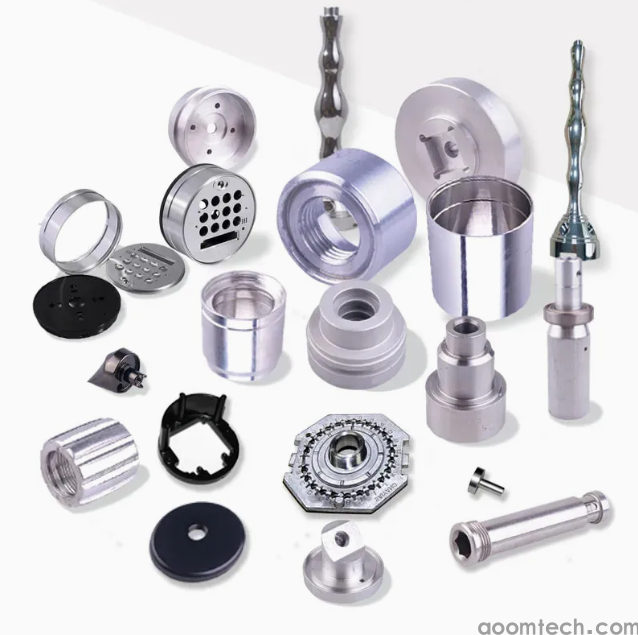
High-Volume Small Part CNC Machining
High - Volume Small Part CNC Machining is a modern manufacturing method used to produce large quantities of very small, highly precise parts. These parts may look simple, but they are essential in many industries such as electronics, automotive, medical devices, and consumer products. Even a tiny error in size or shape can affect the performance of an entire product system.
This article explains what high-volume small part CNC machining is, why it is important, how it works, what materials are used, the main challenges, and how to choose the right service provider. It is written in simple language to help global readers understand real-world manufacturing needs.
The Significance of High - Volume Small Parts
Small parts are everywhere in modern products. Even though they are tiny, they play a big role in making devices work correctly.
In industries like electronics, automotive, and medical technology, millions of small parts are used every day. Without them, modern machines and devices could not function properly.
Electronics: small screws, connectors, and micro fasteners inside smartphones and laptops
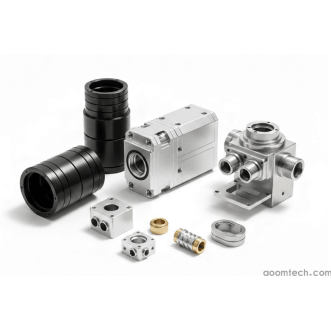
Automotive: fuel injection nozzles, precision valves, and sensor components
Medical: micro implants, surgical tool components, and diagnostic device parts
These parts ensure safety, accuracy, and stable performance in the final products.
Importance of CNC Machining for High - Volume Small Parts
Precision Manufacturing
CNC machining uses computer-controlled machines to produce parts with extremely tight tolerances. This level of accuracy is essential in small components where even a micron-level error can cause failure.
For example, in a smartphone, an inaccurate connector may lead to charging or signal issues. In medical devices, poor precision can directly affect patient safety. That is why CNC precision is critical in high-precision CNC machining for small components.
High-Efficiency Production
Once a CNC program is set up, machines can run continuously with minimal human intervention. Automated tool changers and optimized toolpaths increase speed and consistency.
This makes CNC machining ideal for industries requiring mass production, such as automotive fuel systems where thousands of identical parts are needed daily.
Cost-Effectiveness for Large Volumes
Although CNC machines require initial setup and programming costs, the cost per part becomes lower when producing large volumes. This is one of the main advantages of cost-effective CNC production for small precision parts.
Better material usage, reduced waste, and less manual labor also help reduce overall production costs.
CNC Machining Processes for High - Volume Small Parts
CNC Milling for High - Volume Small Parts
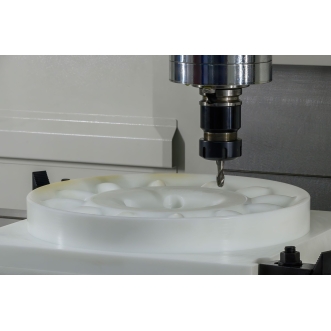
Milling uses a rotating cutting tool to remove material and create shapes such as holes, slots, and complex surfaces. Small parts often require small-diameter end mills for fine detail work.
Key factors include spindle speed, feed rate, and depth of cut. High speeds and stable tool control are important to avoid vibration and maintain accuracy.
Turning
Turning is used to produce cylindrical parts such as small shafts, pins, and bushings. The workpiece rotates while the cutting tool removes material.
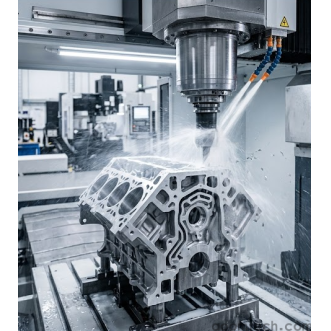
For precision turning of small components, maintaining concentricity and smooth surface finish is essential. Proper coolant and tool selection help reduce wear and improve quality.
Drilling
Drilling creates precise holes in small parts. These holes are often used for assembly, fastening, or fluid/electrical flow.
Small twist drills are commonly used. Careful control of speed and feed is required to avoid overheating or breaking the tool. Accurate hole placement is critical for assembly performance.
Materials for High - Volume Small Part Machining
Metals
Aluminum: lightweight, corrosion-resistant, widely used in electronics and automotive parts
Steel: strong and durable, suitable for high-stress applications
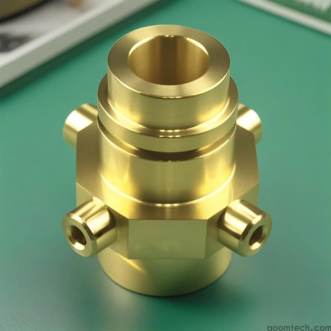
Brass: excellent machinability and corrosion resistance, used in connectors and valves
Each metal requires different cutting speeds and tool choices to ensure precision and tool life.
Plastics
Polycarbonate: strong and impact-resistant
Nylon: good wear resistance and flexibility
Acrylic: clear and easy to machine but sensitive to heat
When machining plastics, lower cutting speeds and proper cooling are important to avoid melting or deformation.
Challenges in High - Volume Small Part CNC Machining
Tool Wear and Breakage
Small parts often require small tools, which are more fragile. Continuous production can increase tool wear.
Solutions include using high-quality cutting tools, monitoring tool condition, and optimizing toolpaths to reduce stress.
Quality Control
When producing large quantities, maintaining consistent quality is a major challenge. Even small variations can lead to product failure.
Manufacturers use in-process inspection, automated measurement systems, and strict quality management systems to ensure consistency.
Handling and Assembly
Small parts are difficult to handle manually. Misalignment during assembly can cause system failure.
Automated pick-and-place systems and custom fixtures are often used to improve accuracy and efficiency in assembly lines.
Choosing a CNC Machining Service for High - Volume Small Parts
Technical Expertise
A reliable provider must understand materials for high - volume small part machining, tooling strategies, and precision requirements. Experience in industries such as automotive or medical is a strong advantage.
Checking past case studies, sample parts, and engineering capability helps evaluate their expertise.
Quality Assurance
A strong quality system is essential. Good manufacturers use tools like calipers, micrometers, and optical measurement systems to check every batch.
In-process inspection ensures problems are detected early, reducing waste and improving reliability.
Cost-Effectiveness and Lead Time
When selecting a provider for choosing a service for high - volume small part CNC machining, cost should be balanced with quality and delivery speed.
Comparing quotes, checking delivery records, and understanding production capacity helps ensure reliable long-term supply.
Conclusion
High - Volume Small Part CNC Machining is a key technology in modern manufacturing. It allows industries to produce millions of precise, reliable, and consistent small parts efficiently and cost-effectively.
With advanced CNC processes like milling, turning, and drilling, combined with proper material selection and strong quality control, manufacturers can meet the growing demand for high-performance components across global industries.
Choosing the right machining partner ensures stable production, better product quality, and long-term success in competitive markets.
RELATED PRODUCTS
-
Medical Brass CNC Machining Parts
-
Precision CNC Machining PEEK Services
-
Precision Custom CNC Machined Car Parts
-
cnc machining optical housings
-
Precision CNC Casting Machining Services
-
Precision Gear CNC Machining Services
-
Precision Stainless Steel Parts CNC Mach
-
CNC Machining of Precision Aluminum Tube
-
CNC Machining of Large Precision Aluminu
-
CNC Machining & Manufacturing of Pre