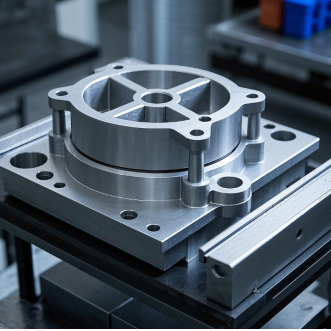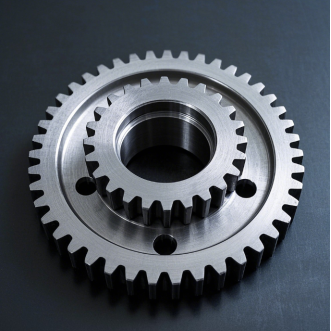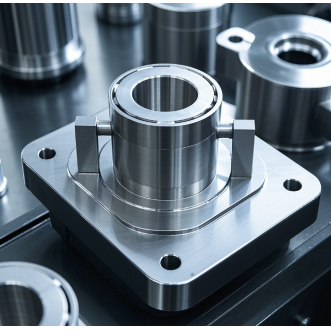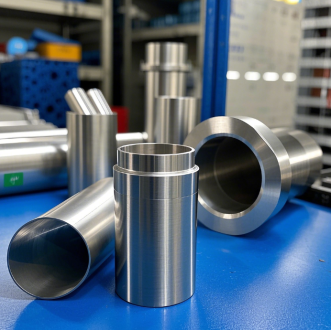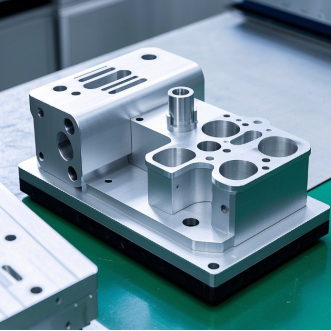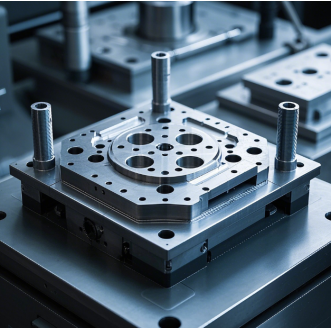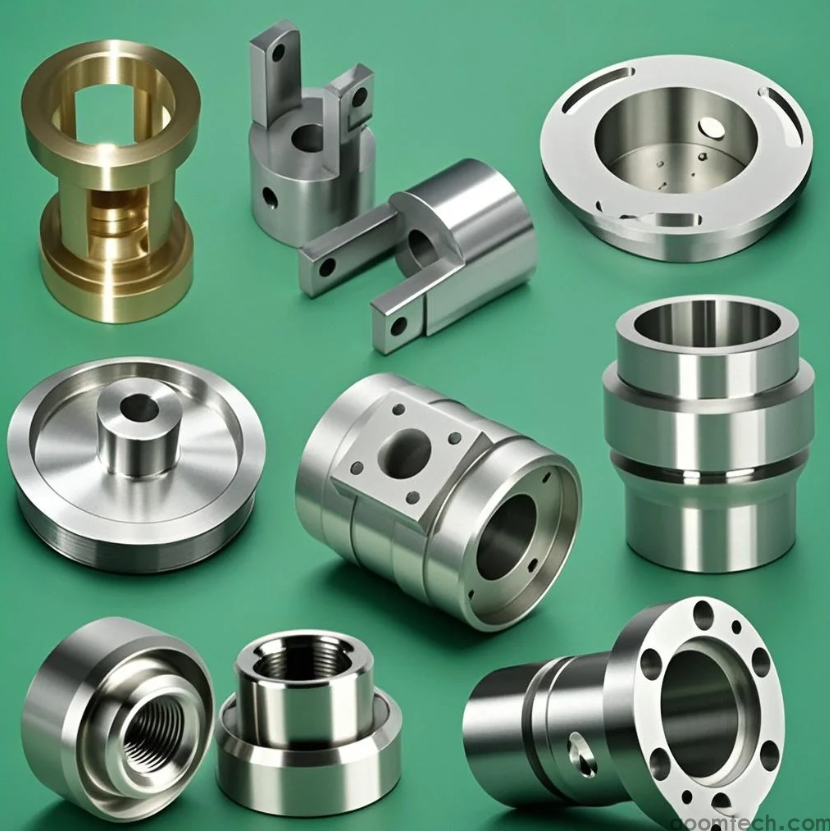
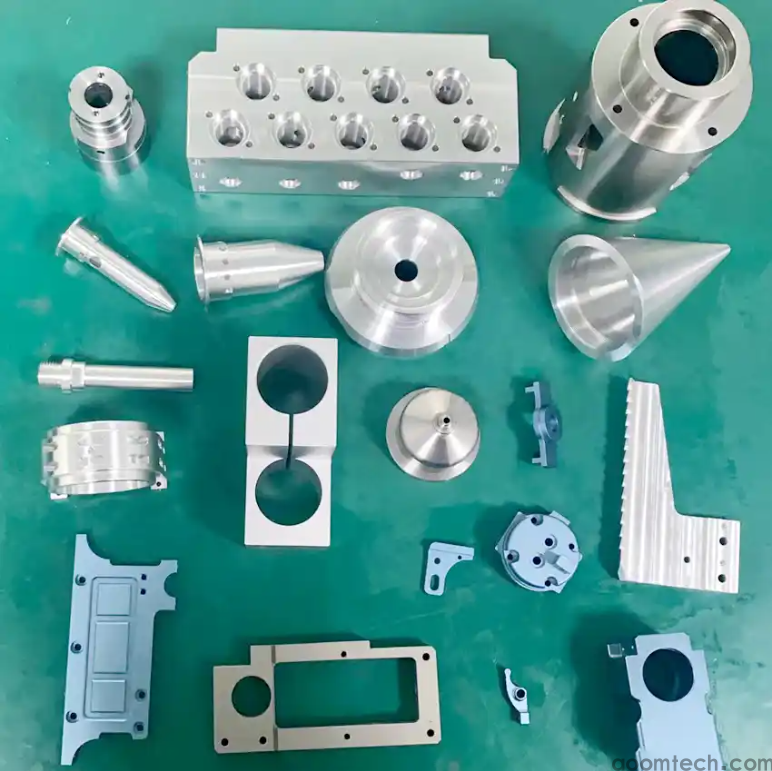
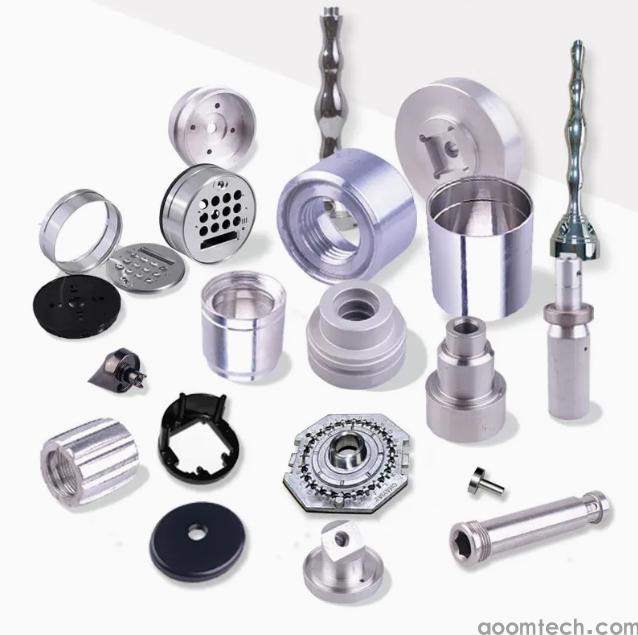
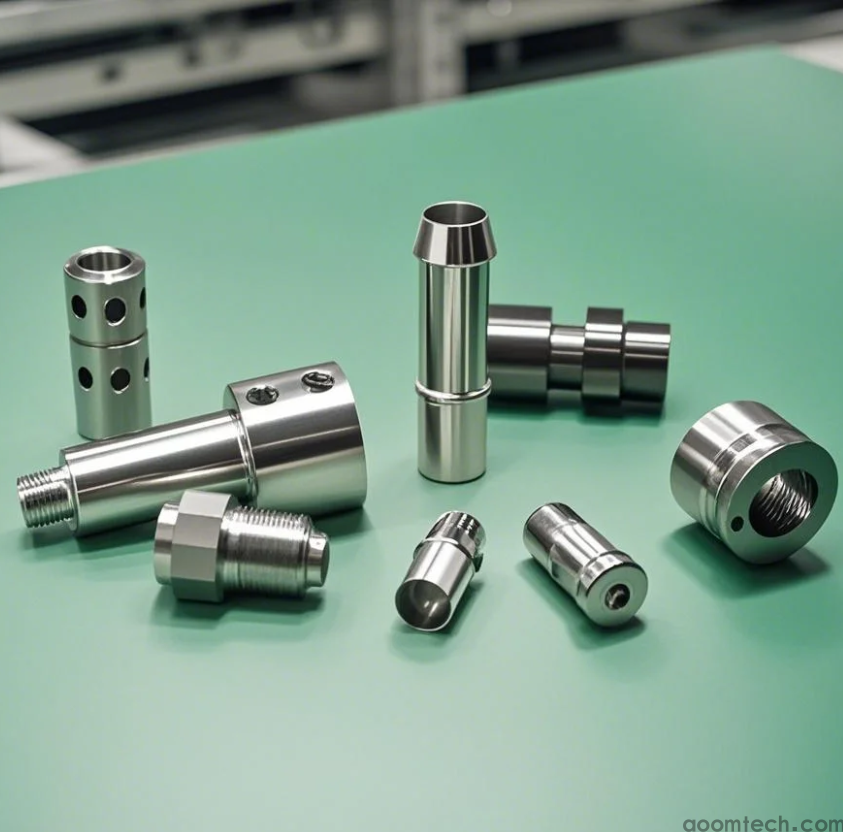
Kitchenware Parts CNC Machining Services
Introduction to Kitchenware Parts CNC Machining Services
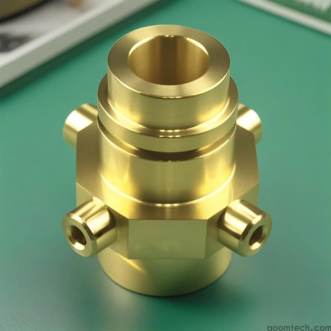
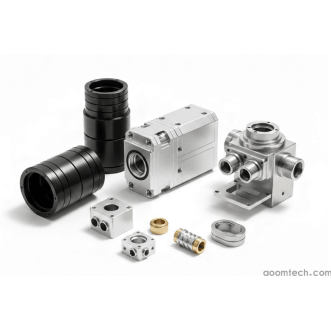
Kitchenware Parts CNC Machining Services refer to the professional manufacturing processes that use computer numerical control (CNC) technology to produce precise components for kitchenware products. These parts include elements used in cookware, utensils, storage tools, and kitchen appliances.
Kitchenware parts are essential for both functionality and appearance. From pots and pans to knives, spatulas, and appliance components, every part affects how safely and efficiently a product works. For example, a pan handle must be securely attached and ergonomically designed for comfort, while food processor blades must be precisely shaped to ensure consistent cutting performance.
By using CNC machining, manufacturers can produce high-quality kitchenware parts that meet strict requirements for durability, hygiene, and design accuracy.
Importance of CNC Machining for Kitchenware Parts
Precision Manufacturing
CNC technology enables extremely accurate production of kitchenware components. Many kitchen products require tight tolerances to ensure proper assembly and safe use.
For example, in nested cookware sets, precise sizing ensures a perfect fit, which improves storage efficiency and cooking performance. Poorly made parts may lead to issues such as leaking coffee machines, unstable racks, or poorly functioning utensils.
Customization for Diverse Designs
Modern kitchenware markets demand both functionality and aesthetics. CNC machining allows manufacturers to create customized shapes, textures, and finishes.
Through CNC milling for kitchenware parts, designers can produce ergonomic spatula handles, decorative serving trays, and uniquely shaped appliance components. This flexibility helps brands stand out in competitive markets.
Cost-Effectiveness for Mass Production
Once a CNC program is created, it can be used repeatedly to manufacture large quantities of identical parts. This reduces labor costs and improves efficiency.
In mass production of stainless steel spoons or aluminum cookware, CNC machining ensures consistent quality while lowering per-unit production costs, making kitchenware more affordable for consumers.
CNC Machining Processes for Kitchenware Parts
Milling
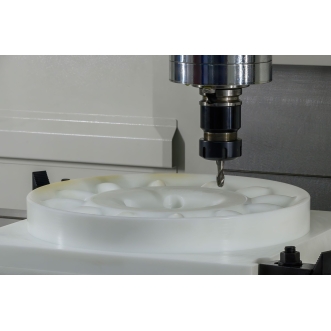
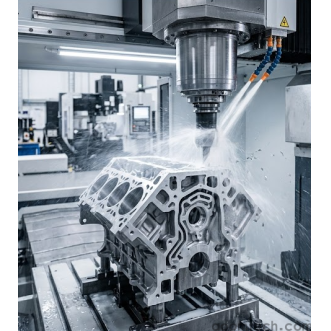
Milling is one of the most common processes in Kitchenware Parts CNC Machining Services. A rotating cutting tool removes material to create shapes such as flat surfaces, grooves, and complex contours.
It is widely used for producing pan bodies, appliance housings, and utensil handles. Proper selection of cutting tools and parameters like spindle speed, feed rate, and cutting depth is essential to achieve smooth finishes, especially for food-contact surfaces.
Turning
Turning is used to produce cylindrical parts such as utensil handles or pot rims. The workpiece rotates while a cutting tool shapes it into the desired form.
Achieving smooth surface finishes and accurate concentricity is critical. For materials like stainless steel, proper coolant use helps reduce heat and tool wear while ensuring a comfortable grip surface.
Drilling
Drilling is used to create precise holes for assembly, ventilation, or mounting purposes. Examples include handle attachment holes or hanging points for cookware.
Accurate hole placement is essential for safety and usability. Incorrect drilling may cause structural weakness or misalignment in kitchenware products.
Materials for CNC-Machined Kitchenware Components
Metals
Common metals include stainless steel, aluminum, and cast iron.
Stainless steel: Highly durable, corrosion-resistant, and hygienic. Common in cutlery and cookware.
Aluminum: Lightweight with excellent thermal conductivity, ideal for pans and appliance parts.
Cast iron: Excellent heat retention, used in heavy-duty cookware.
Each metal has different machining characteristics. Stainless steel is harder to machine but offers excellent long-term durability.
Plastics
Plastics such as nylon, polypropylene, and silicone are widely used in kitchenware parts due to their flexibility and cost-effectiveness.
When working with plastics, machining parameters must be carefully controlled to avoid melting or deformation. For example, lower cutting speeds are often required for nylon components.
Wood
Wood is commonly used in handles, cutting boards, and decorative kitchen tools. It provides a natural and aesthetic appeal.
However, wood can chip or split during machining. Using sharp tools and proper sanding techniques ensures smooth finishing and long-lasting quality.
Challenges in Kitchenware CNC Machining
Material-Specific Challenges
Different materials present different machining difficulties. Metals may cause tool wear and heat buildup, plastics may melt or warp, and wood may chip or crack.
Solutions include using proper cutting fluids for metals, adjusting speeds for plastics, and pre-drilling wood to prevent splitting.
Surface Finish Requirements
Kitchenware surfaces must be smooth to ensure hygiene and user safety. Rough surfaces can trap bacteria and reduce product quality.
Post-processing techniques such as polishing, fine abrasive finishing, and optimized cutting parameters are essential to achieve food-grade surface quality.
Meeting Hygiene Standards
Kitchenware parts must comply with strict hygiene requirements. This includes using food-safe materials and avoiding contamination during production.
Manufacturers often use food-grade lubricants and design smooth, non-porous surfaces to ensure easy cleaning and safe usage.
Choosing a Provider for Kitchenware Parts CNC Machining
Technical Expertise
A reliable provider of Kitchenware Parts CNC Machining Services should have strong experience in machining different materials and producing kitchenware components.
Evaluating case studies, sample products, and technical capabilities helps verify their expertise in producing high-precision kitchenware parts.
Quality Assurance
A strong quality control system is essential. Providers should use precise measuring tools such as calipers, micrometers, and surface roughness testers.
Effective inspection processes ensure every part meets required standards for accuracy, durability, and hygiene. Defective parts should be properly identified and handled.
Cost-Effectiveness and Lead Times
When selecting a manufacturing partner, cost should be balanced with quality and reliability.
Reliable providers of choosing a provider for kitchenware parts CNC machining should offer transparent pricing, consistent production schedules, and proven on-time delivery performance.
Conclusion
Kitchenware Parts CNC Machining Services play a vital role in producing high-quality, precise, and durable components for modern kitchen products. From design flexibility to mass production efficiency, CNC machining supports both functional performance and aesthetic appeal.
By understanding materials, processes, and supplier selection criteria, manufacturers can ensure reliable production and meet growing global demand for safe and innovative kitchenware.
RELATED PRODUCTS
-
Medical Brass CNC Machining Parts
-
Precision CNC Machining PEEK Services
-
Precision Custom CNC Machined Car Parts
-
cnc machining optical housings
-
Precision CNC Casting Machining Services
-
Precision Gear CNC Machining Services
-
Precision Stainless Steel Parts CNC Mach
-
CNC Machining of Precision Aluminum Tube
-
CNC Machining of Large Precision Aluminu
-
CNC Machining & Manufacturing of Pre