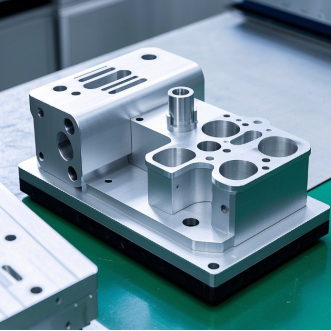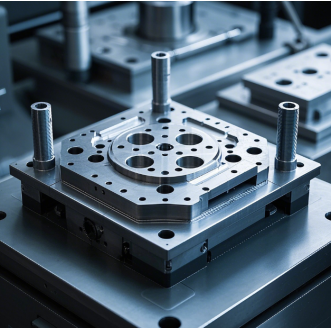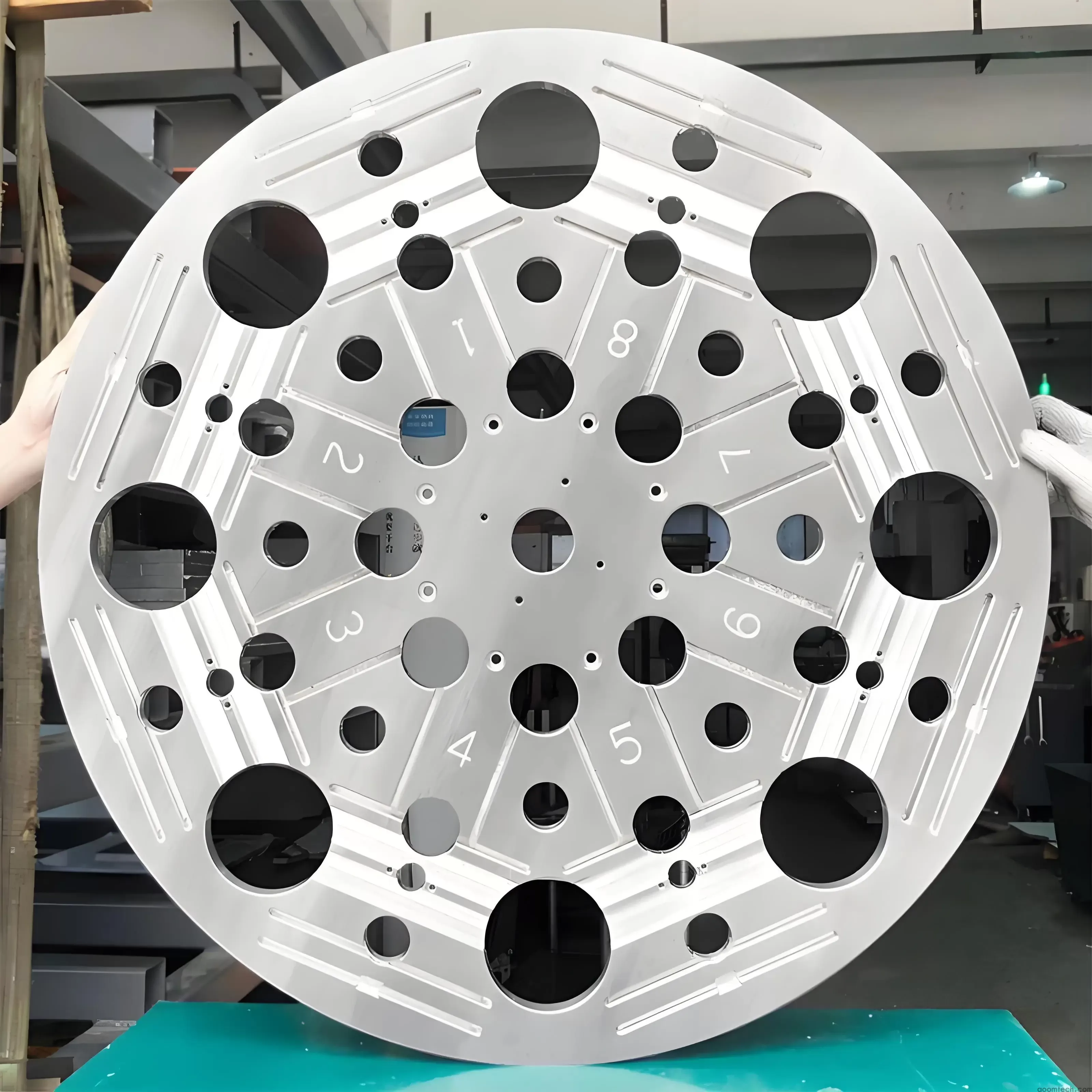
Large Precision Parts CNC Machining Services
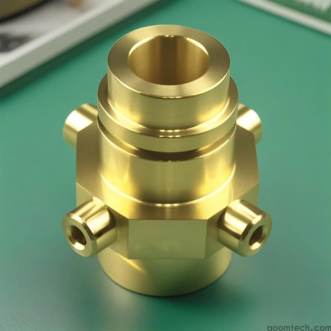
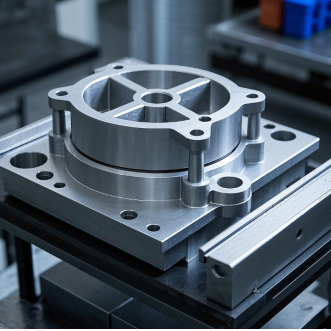
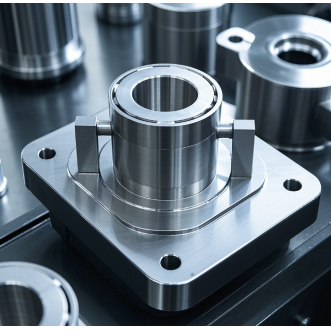
Large Precision Parts CNC Machining Services play an important role in modern manufacturing. They help produce big, complex, and highly accurate components used in heavy industries. These services are essential for machines and systems that must work safely, smoothly, and for a long time.
Introduction to Large Precision Parts CNC Machining Services
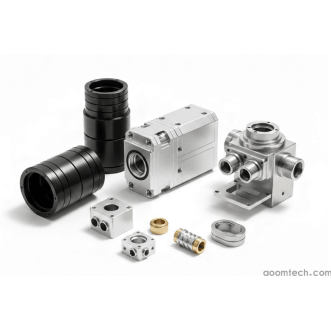
Large precision parts are components with big dimensions that still require very tight accuracy. Making them is difficult using traditional methods. CNC (Computer Numerical Control) machining solves this problem by using computer-controlled machines to cut and shape materials with high precision.
These services are widely used in industries such as energy, aerospace, transportation, and heavy machinery. Understanding Large Precision Parts CNC Machining Services helps businesses choose better manufacturing solutions and improve product quality.
The Significance of Large Precision Parts CNC Machining
Large-scale machines and structures depend on accurate parts to function correctly. Even small errors in size can cause vibration, wear, or system failure. CNC machining ensures that large components are made with consistent accuracy and reliability. This improves safety, performance, and long-term durability of industrial systems.
Advantages of CNC Machining for Large Precision Parts
High Precision and Accuracy
CNC machines follow programmed instructions, allowing extremely accurate cutting even for large parts. Tight tolerances can be maintained consistently. This leads to better fitting parts, smoother machine operation, and reduced mechanical wear. For example, large industrial frames or machine bases require perfect alignment to avoid structural stress.
Advantages of CNC machining for large precision parts include stable accuracy even under heavy machining conditions.
Complex Geometry Capability
CNC machining can produce complex shapes that are difficult or impossible with manual methods. Large turbine blades, aerospace structures, and industrial molds often require curved surfaces and detailed internal features. CNC systems can accurately reproduce these designs from digital models.
Consistent Quality Output
Once the program is set, CNC machines can produce multiple identical parts with the same quality. This is important for industries that require replacement parts or mass production. Consistency reduces failure risks and improves system efficiency in long-term operation.
Process of Machining Large Precision Parts with CNC
Design and CAD/CAM Programming
The process starts with CAD (Computer-Aided Design), where engineers create a 3D model of the part. Then CAM (Computer-Aided Manufacturing) software converts the design into machine instructions. These instructions define tool paths, speeds, and cutting depths.
Process of machining large precision parts with CNC requires careful planning to ensure accuracy and stability during production.
Material Selection and Preparation
Materials such as steel, aluminum, and special alloys are selected based on strength, weight, and usage requirements. Large materials may be pre-cut or heat-treated before machining. Proper preparation helps reduce deformation and ensures stable machining results.
Machining Operations
Milling
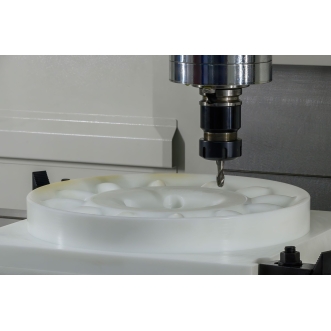
Milling is used to create flat surfaces, grooves, and complex shapes. Large CNC milling machines handle heavy workpieces while maintaining precision. It is commonly used for machine bases and structural components.
Turning
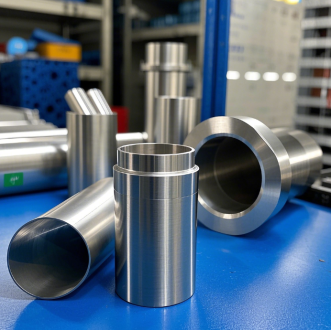
Turning is used for cylindrical parts. The material rotates while the cutting tool shapes it. Large lathes are required for heavy components such as shafts and rollers. Precision is important to ensure balance and smooth operation.
Drilling and Boring
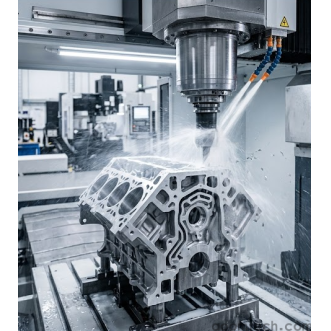
These processes create accurate holes in large parts. They are essential for assembly and fluid systems. For example, engine blocks and hydraulic systems require precise hole placement for proper function.
Finishing and Quality Control
After machining, parts go through finishing processes such as polishing, coating, or deburring. Quality control uses advanced measuring tools like CMM (Coordinate Measuring Machines) to check accuracy. This ensures every part meets design requirements.
Applications of Large Precision CNC-Machined Parts
Power Generation Industry
Power plants use large precision components such as turbine blades, rotors, and heat exchangers. These parts must withstand high pressure and temperature while maintaining efficiency.
Applications of large precision CNC-machined parts in this industry help improve energy output and system stability.
Aerospace Industry
Aircraft structures such as wing components and fuselage frames require lightweight but strong materials. CNC machining ensures precise shaping and high safety standards.
Heavy Machinery Manufacturing
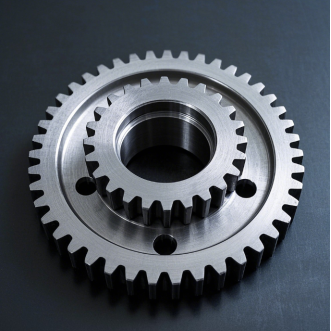
Mining machines, construction equipment, and industrial vehicles rely on large gears, shafts, and hydraulic systems. CNC-machined parts improve durability and performance under heavy loads.
Choosing a CNC Machining Service for Large Precision Parts
Experience and Expertise
Choosing a provider with experience in large-scale machining is very important. Skilled engineers understand how to control deformation, vibration, and thermal expansion during machining.
Choosing a CNC machining service for large precision parts ensures better quality and fewer production risks.
Equipment and Facilities
Large CNC machines, strong worktables, and precision measuring tools are necessary. Without proper equipment, it is difficult to maintain accuracy for large components.
Quality Assurance
A reliable provider must have strict inspection systems. This includes in-process checks and final testing to ensure every part meets specifications.
Cost and Pricing Transparency
Clear pricing is important. Good suppliers provide detailed cost breakdowns including materials, machining time, and finishing processes. This helps customers understand what they are paying for.
Delivery Time and Customer Service
On-time delivery is essential for large industrial projects. Good communication and support help avoid delays and improve project efficiency.
Cost Factors in Large Precision Parts CNC Machining
Part Complexity
More complex designs require longer machining time and advanced tools. This increases overall cost. Complex internal structures or tight tolerances also raise difficulty.
Cost factors in large precision parts CNC machining often depend heavily on design complexity.
Material Cost
Different materials have different prices. High-strength alloys or special metals increase total cost, especially for large-sized parts requiring more raw material.
Equipment and Tooling Costs
Large CNC machines and special cutting tools are expensive to operate and maintain. Custom tools may also be required for specific designs, increasing production costs.
Conclusion
Large precision parts are essential in modern industry, and CNC machining makes their production accurate, reliable, and efficient. From design to final inspection, every step ensures high quality and consistency.
By understanding the benefits, processes, applications, and cost factors, businesses can make better decisions when selecting Large Precision Parts CNC Machining Services. Careful selection of a service provider leads to better performance, lower risks, and long-term success in industrial projects.
RELATED PRODUCTS
-
Medical Brass CNC Machining Parts
-
Precision CNC Machining PEEK Services
-
Precision Custom CNC Machined Car Parts
-
cnc machining optical housings
-
Precision CNC Casting Machining Services
-
Precision Gear CNC Machining Services
-
Precision Stainless Steel Parts CNC Mach
-
CNC Machining of Precision Aluminum Tube
-
CNC Machining of Large Precision Aluminu
-
CNC Machining & Manufacturing of Pre