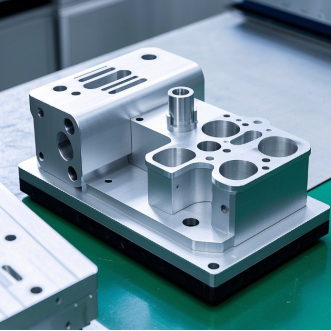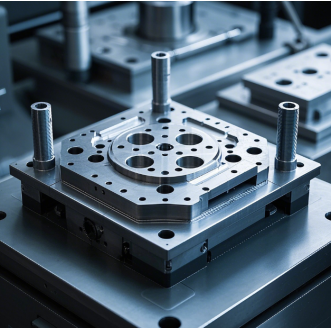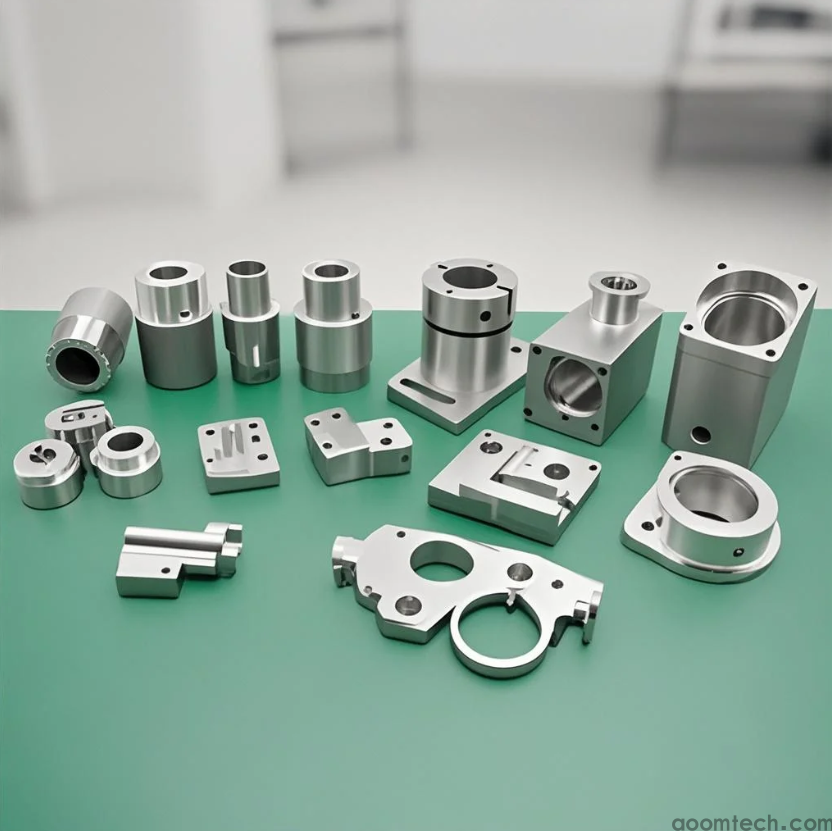
Mass Production CNC Machining & Manufacturing Services for Parts
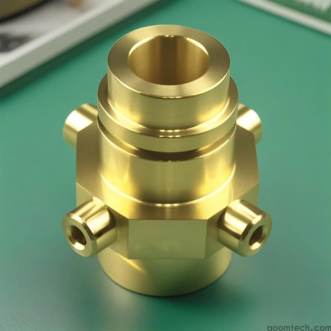
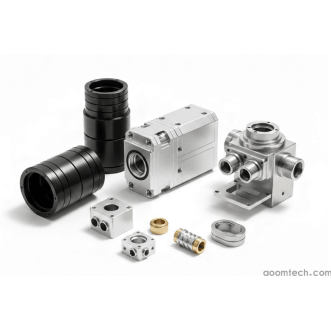
Mass Production CNC Machining & Manufacturing Services for Parts play a critical role in today’s global manufacturing industry. They enable companies to produce large volumes of precise, durable, and consistent components used in industries such as automotive, electronics, aerospace, medical devices, and consumer products. As global demand increases and product cycles become shorter, understanding how CNC mass production works is essential for manufacturers, engineers, procurement teams, and business owners.
This article explains the process of mass production CNC machining, its benefits, challenges, material choices, quality control systems, and how to choose a reliable service provider. It is designed to help readers understand the process of mass production CNC for parts and make informed decisions when sourcing manufacturing services.
The Significance of Mass Production CNC Services
Mass production CNC machining allows manufacturers to produce thousands or even millions of identical parts with high precision. Unlike manual machining, CNC (Computer Numerical Control) systems rely on programmed instructions, reducing human error and ensuring consistent quality.
These services are especially important in industries where precision and repeatability are essential. For example, automotive engines require perfectly matched components, while electronics demand small, highly accurate parts for assembly. Without CNC mass production, achieving this level of consistency would be difficult and expensive.
In addition, these services help reduce cost per unit through economies of scale, making products more affordable for end users while maintaining high quality standards.
Processes in Mass Production CNC Machining & Manufacturing
Design and Programming
The manufacturing process begins with detailed product design using CAD (Computer-Aided Design) software. Engineers create precise 3D models that define every dimension and tolerance of the part.
These models are then converted into machine instructions using CAM (Computer-Aided Manufacturing) software. Programmers define toolpaths, cutting speeds, feed rates, and cutting depths. A well-optimized program improves production speed and ensures high-quality output.
Complex geometries may require multi-axis programming strategies, especially for aerospace or medical components where precision is critical.
Machine Setup and Tooling
Before production begins, CNC machines must be properly configured. Fixtures are used to hold workpieces securely, ensuring consistent positioning across all parts.
Tool selection is equally important. Carbide tools are commonly used for metals due to their durability and heat resistance. Machines are also calibrated to maintain accuracy during long production runs.
In high-volume production, automation and multi-axis machines improve efficiency and reduce setup time between operations.
Machining Operations
Milling
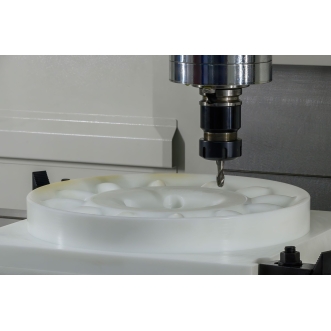
Milling is used to remove material and create shapes such as slots, holes, and flat surfaces. High-speed milling is often used in mass production to improve efficiency while maintaining accuracy.
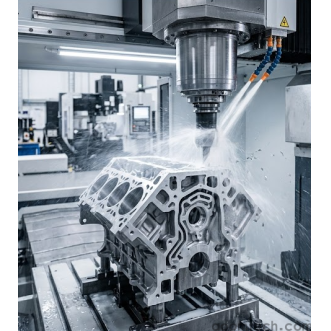
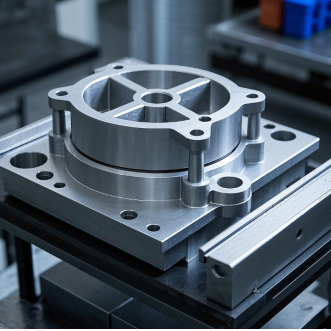
For example, in the automotive industry, milling is used to produce engine housings and structural components. Cutting parameters must be carefully controlled to maintain surface finish and dimensional accuracy during long production runs.
Turning
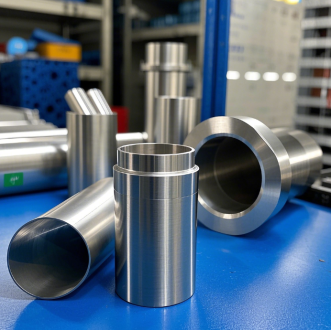
Turning is used to produce cylindrical parts such as shafts, bolts, and bushings. The workpiece rotates while a cutting tool removes material.
Tool wear must be monitored closely in mass production. Automated tool replacement systems are often used to prevent quality issues and reduce downtime.
Assembly and Post-processing
After machining, parts may undergo assembly into final products or subassemblies. Automated assembly lines are commonly used in high-volume production environments.
Post-processing steps such as heat treatment, anodizing, plating, painting, and deburring improve strength, durability, corrosion resistance, and appearance. These finishing steps are essential for ensuring long-term product performance.
Benefits of Mass Production CNC Machining & Manufacturing
High-Quality and Consistent Parts
CNC machining ensures tight tolerances and repeatable accuracy across large production volumes. Since machines are computer-controlled, human error is minimized.
This consistency is critical in industries like aerospace and automotive manufacturing, where even small variations can affect safety and performance.
Cost-Effectiveness
Although initial setup costs can be high, mass production significantly reduces cost per unit. Once programming and tooling are complete, thousands of identical parts can be produced efficiently.
This economy of scale makes CNC machining more affordable compared to manual or low-volume manufacturing methods.
Production Efficiency
CNC machines can operate continuously with minimal downtime. Automated tool changers and optimized machining paths allow for high-speed production.
This efficiency helps companies meet tight deadlines and respond quickly to market demand.
Challenges in Mass Production CNC Machining & Manufacturing
Initial Setup Costs
The cost of CNC machines, tooling, programming, and skilled labor can be significant. However, these costs are distributed across large production volumes.
Companies may reduce financial pressure by leasing equipment or sharing production resources across multiple projects.
Tool Wear and Maintenance
Continuous machining leads to tool wear, which can affect precision and surface quality. Regular inspection and timely replacement are essential.
Many manufacturers use predictive maintenance systems to monitor tool condition and prevent unexpected downtime.
Flexibility in Design Changes
Once production begins, design changes can be expensive and time-consuming. Tooling and programming may need to be updated.
To manage this risk, engineers often validate designs thoroughly before mass production begins and use modular tooling when possible.
Material Considerations in Mass Production CNC Machining & Manufacturing
Metals
Common metals include steel, aluminum, and titanium.
Steel: Strong and durable, widely used in structural and mechanical parts.
Aluminum: Lightweight, cost-effective, and easy to machine at high speeds.
Titanium: High strength-to-weight ratio, commonly used in aerospace and medical applications.
Each metal requires different machining strategies, cooling methods, and cutting tools.
Plastics
Plastics such as ABS, polypropylene, and polyethylene are widely used in consumer electronics and household products.
They are lightweight, inexpensive, and easy to shape. However, machining plastics requires careful temperature control to prevent melting or warping.
Quality Control in Mass Production CNC Machining & Manufacturing
In-process Inspection
Quality checks are performed during production using tools such as calipers, micrometers, and surface testers. This ensures that any deviation is detected early.
Real-time monitoring helps prevent large batches of defective parts, saving time and cost.
Final Inspection
After production, parts are inspected using high-precision equipment such as Coordinate Measuring Machines (CMM).
Statistical Process Control (SPC) methods are often used to monitor production trends and maintain consistent quality standards. Non-conforming parts may be reworked or rejected depending on severity.
How to Choose a Mass Production CNC Machining Service Provider
Experience and Reputation
When choosing a mass production CNC service for parts, experience is one of the most important factors. Providers with proven industry experience are more likely to deliver reliable results.
Checking case studies, client reviews, and past projects helps evaluate their capabilities.
Equipment and Technology
Advanced CNC machines, including multi-axis systems and high-speed spindles, improve efficiency and precision.
A strong provider should continuously invest in modern technology to meet evolving manufacturing requirements.
Quality Management System
A reliable manufacturer should follow structured quality systems such as ISO 9001 standards. These systems ensure consistent processes, proper calibration, and trained personnel.
Strong quality management reduces defects and ensures stable production output.
Conclusion: Leveraging CNC Mass Production for Business Success
Mass Production CNC Machining & Manufacturing Services for Parts are essential for modern industrial production. They offer high precision, cost efficiency, scalability, and consistent quality across large production volumes.
Understanding the benefits of mass production CNC machining, challenges, materials, and quality control systems helps businesses make smarter manufacturing decisions. Proper planning and selecting the right partner can significantly improve production efficiency and product reliability.
For companies looking to scale manufacturing operations, building long-term relationships with experienced CNC service providers can lead to better cost control, improved quality, and stronger supply chain stability.
RELATED PRODUCTS
-
Medical Brass CNC Machining Parts
-
Precision CNC Machining PEEK Services
-
Precision Custom CNC Machined Car Parts
-
cnc machining optical housings
-
Precision CNC Casting Machining Services
-
Precision Gear CNC Machining Services
-
Precision Stainless Steel Parts CNC Mach
-
CNC Machining of Precision Aluminum Tube
-
CNC Machining of Large Precision Aluminu
-
CNC Machining & Manufacturing of Pre