Medical Device CNC Machining Services
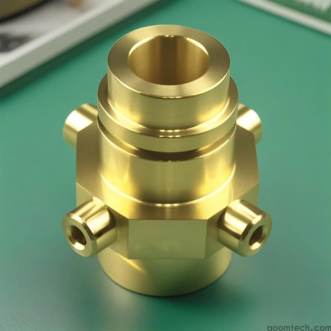
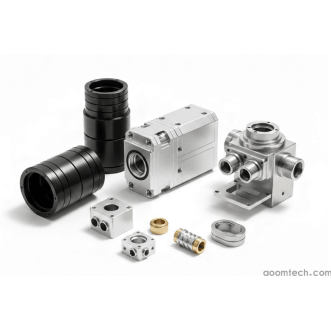
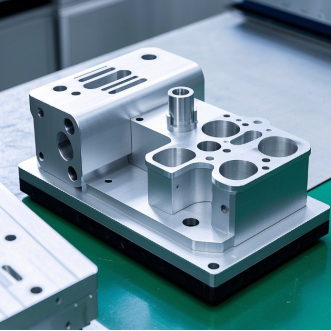
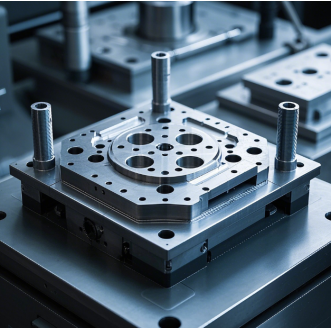
In the modern healthcare industry, Medical Device CNC Machining Services play a key role in producing safe, accurate, and high-quality medical components. These services use computer-controlled machines to manufacture parts used in surgical tools, diagnostic equipment, dental devices, and implantable medical products.
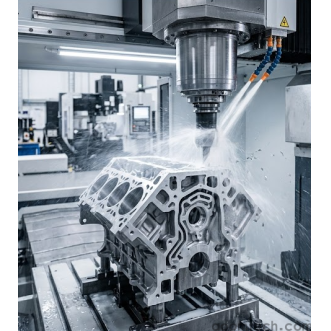
With advanced CNC (Computer Numerical Control) technology, manufacturers can produce complex and highly precise medical parts that meet strict medical standards. This technology has significantly improved the speed, quality, and customization ability of medical device production.
The Significance of Medical Device CNC Machining
Medical devices require extremely high precision and reliability because they are directly related to patient health and safety. Medical Device CNC Machining Services ensure that every component is produced with consistent accuracy and meets strict industry regulations.
From surgical instruments to orthopedic implants, CNC machining helps create parts that fit perfectly, function correctly, and perform safely inside or outside the human body. This technology has changed how medical tools are designed and manufactured, allowing for better performance and improved patient care.
Advantages of CNC Machining in Medical Device Production
High Precision and Accuracy
CNC machines are controlled by computer programs, which allows them to produce parts with extremely tight tolerances. This is very important in medical applications such as dental implants or surgical tools, where even a small error can affect performance.
High precision leads to better fitting devices, reduced risk of complications, and improved patient outcomes. This is one of the key advantages of CNC machining in medical device production.
Customization Capability
Every patient is different, and medical solutions often need to be customized. CNC machining allows manufacturers to create personalized medical components based on patient anatomy or specific surgical needs.
For example, custom orthopedic implants can be designed to match a patient’s bone structure, improving comfort, healing speed, and long-term success.
Consistent Quality
Once a CNC program is created, it can produce identical parts repeatedly with the same quality level. This consistency is essential in the medical industry, where every component must meet strict safety standards.
Consistent production reduces errors, improves reliability, and helps healthcare providers trust the performance of medical devices.
Process of Medical Device CNC Machining
Design and CAD/CAM Programming
The process begins with design using CAD (Computer-Aided Design) software. Engineers create a 3D model of the medical part, considering function, safety, and biocompatibility.
Then CAM (Computer-Aided Manufacturing) software converts the design into machine instructions. These instructions define tool paths, cutting speeds, and machining steps. This stage is known as the process of medical device CNC machining preparation phase.
For example, a surgical handle design is converted into precise machine movements that guide cutting tools to shape the final product.
Material Selection
Choosing the right material is very important. Medical materials must be safe for the human body, resistant to corrosion, and strong enough for long-term use.
Common materials include:
Titanium – widely used for implants due to high biocompatibility
Stainless steel – used for surgical tools
Medical-grade plastics – used for disposable devices
Material selection depends on the device’s purpose, sterilization needs, and required durability.
Machining Operations
Milling
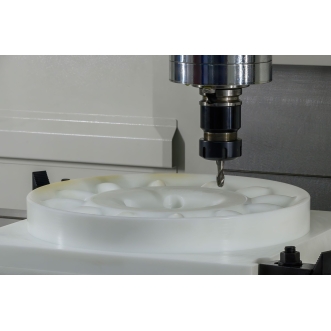
Milling is used to create complex shapes, flat surfaces, and detailed structures. Different cutting tools are used depending on the design requirements.
It is commonly used for surgical instrument bodies and precision device housings.
Turning
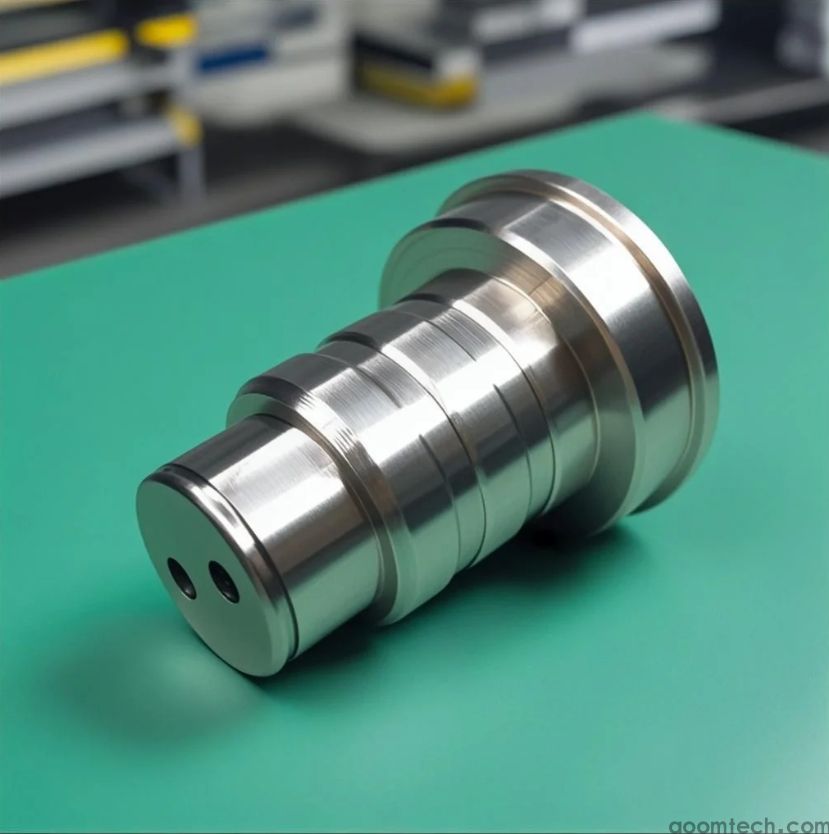
Turning is used to produce cylindrical parts such as pins, rods, or shafts. The material rotates while a cutting tool shapes it into the desired form.
This process ensures smooth surfaces and precise roundness, which is important for medical components that must move or fit smoothly.
Drilling
Drilling is used to create precise holes in medical parts. Accuracy is important to ensure correct alignment and function.
Special care is taken to avoid material damage, especially when working with delicate medical-grade materials.
Finishing and Post-Processing
After machining, parts go through finishing processes such as:
Deburring – removing sharp edges
Polishing – improving surface smoothness
Surface treatment – improving biocompatibility
Some parts also require sterilization before use. These steps ensure safety and improve performance in real medical applications.
Quality Control in Medical Device CNC Machining
In-Process Inspection
During production, quality checks are performed regularly. Tools like micrometers, calipers, and surface testers are used to measure accuracy.
This helps detect problems early and ensures parts remain within tolerance. This step is known as quality control in medical device CNC machining.
For example, if a hole diameter is incorrect during machining, adjustments can be made immediately to avoid producing defective parts.
Final Inspection
After production, each part is carefully inspected for size accuracy, surface quality, and structural integrity.
Advanced tools like CMM (Coordinate Measuring Machines) are often used to ensure precision.
Only parts that pass all tests are approved for medical use. This ensures safety and prevents failures in real medical situations.
Choosing a Medical Device CNC Machining Service Provider
Experience and Expertise in Medical Devices
When selecting a provider, experience is very important. A skilled company understands medical requirements such as tight tolerances, clean production environments, and strict standards.
Experienced providers are better at solving complex manufacturing challenges and ensuring reliable product quality.
Regulatory Compliance
A reliable provider must follow international medical standards such as ISO 13485 and FDA requirements.
These standards ensure that the production process is safe, controlled, and fully documented. Non-compliant providers may cause product recalls or legal issues.
Cost and Pricing Transparency
It is important to compare pricing from different providers. A trustworthy company clearly explains costs, including materials, machining, and finishing.
Clear pricing helps avoid hidden fees and ensures fair cooperation.
Delivery Time and Customer Service
Fast and reliable delivery is very important in the medical field. Delays can affect patient care and hospital operations.
Good customer service ensures clear communication, regular updates, and quick responses to problems.
This is a key factor when choosing a medical device CNC machining service provider.
Conclusion: Ensuring High-Quality Medical Device CNC Machining
Medical Device CNC Machining Services are essential for producing safe, precise, and reliable medical components. From design and material selection to machining and quality control, every step plays an important role in final product quality.
Understanding the advantages of CNC machining in medical device production, the process of medical device CNC machining, and the importance of quality control in medical device CNC machining helps manufacturers and buyers make better decisions.
By carefully selecting a trusted partner, businesses can ensure better product performance, patient safety, and long-term success in the medical industry.
RELATED PRODUCTS
-
Medical Brass CNC Machining Parts
-
Precision CNC Machining PEEK Services
-
Precision Custom CNC Machined Car Parts
-
cnc machining optical housings
-
Precision CNC Casting Machining Services
-
Precision Gear CNC Machining Services
-
Precision Stainless Steel Parts CNC Mach
-
CNC Machining of Precision Aluminum Tube
-
CNC Machining of Large Precision Aluminu
-
CNC Machining & Manufacturing of Pre