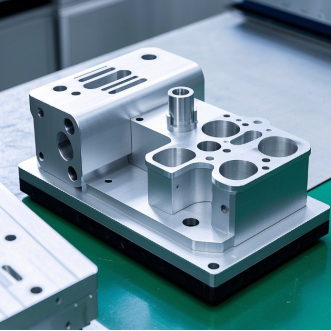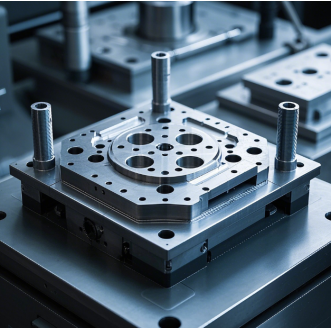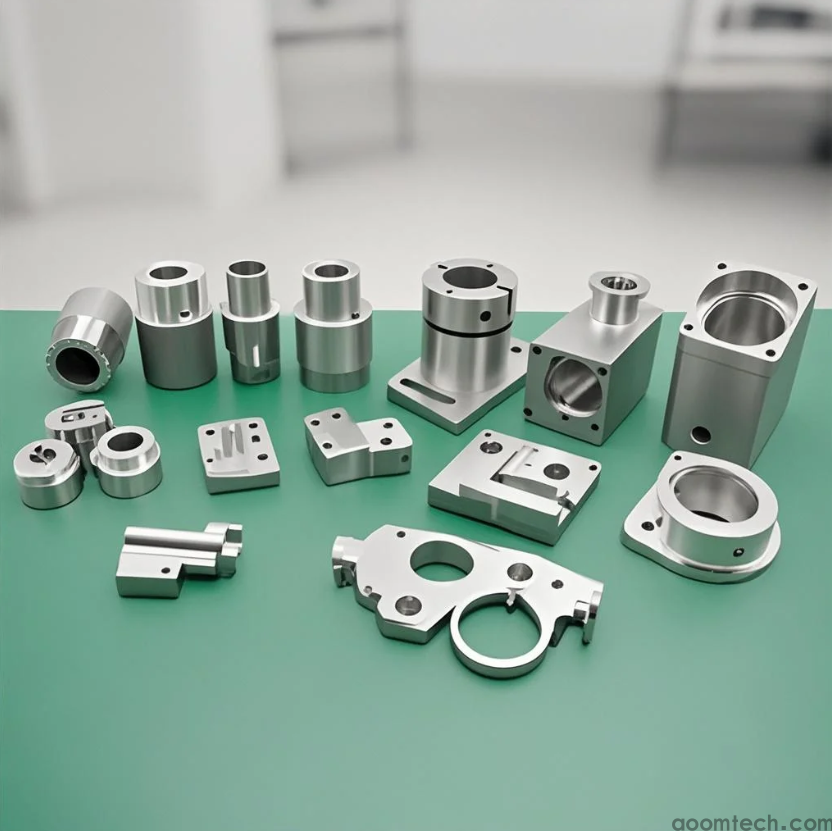
Metal Parts CNC Machining Manufacturer
Introduction to Metal Parts CNC Machining Manufacturers
A Metal Parts CNC Machining Manufacturer plays an important role in modern industries such as automotive, aerospace, electronics, medical devices, and industrial machinery. CNC (Computer Numerical Control) machining is a precise manufacturing process that uses computer-controlled machines to produce metal parts with high accuracy and consistency.
The significance of choosing the right manufacturer cannot be overstated. A reliable partner ensures high-quality metal parts, stable production schedules, and cost-effective solutions. On the other hand, choosing the wrong manufacturer may result in poor-quality parts, production delays, communication issues, and higher long-term costs.
For engineers, procurement teams, and product developers, understanding the key aspects of metal parts CNC manufacturers is essential. It helps reduce risks, improve product performance, and ensure smooth supply chain operations.
Key Aspects of Metal Parts CNC Machining Manufacturers' Operations
Equipment and Technology
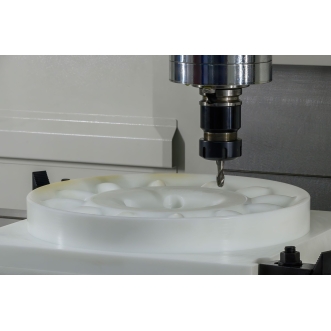
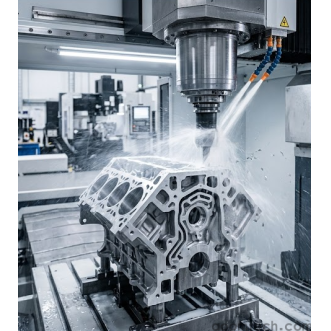
Advanced equipment is the foundation of a strong CNC machining manufacturer. Modern CNC machines often include multi-axis systems (such as 3-axis, 4-axis, and 5-axis machines), high-speed spindles, and automatic tool changers. These features allow manufacturers to produce complex metal parts with high precision and efficiency.
In addition, the use of CAD/CAM software is essential. CAD (Computer-Aided Design) is used to create part designs, while CAM (Computer-Aided Manufacturing) converts those designs into machine instructions. Together, they reduce human error and improve production accuracy.
For example, a 5-axis CNC machine can produce aerospace components with complex geometries in a single setup, reducing machining time and improving consistency.
Skilled Workforce
Even with advanced machines, human expertise remains critical. A professional CNC machining manufacturer must have trained machinists, programmers, and quality control specialists.
Machinists operate and adjust CNC machines for different metal materials.
Programmers create optimized CNC programs for accurate machining paths.
Quality inspectors ensure all parts meet technical drawings and tolerances.
When evaluating a manufacturer, it is important to ask about staff training, technical certifications, and hands-on experience in machining different metals.
Material Expertise
Different metals require different machining strategies. A skilled manufacturer understands how to handle materials such as aluminum, stainless steel, carbon steel, titanium, and brass.
For example:
Aluminum: Easy to machine, high speed cutting possible, widely used in automotive and electronics.
Stainless steel: Strong and corrosion-resistant but requires slower cutting speeds and stronger tools.
Titanium: Difficult to machine, generates heat easily, used in aerospace and medical applications.
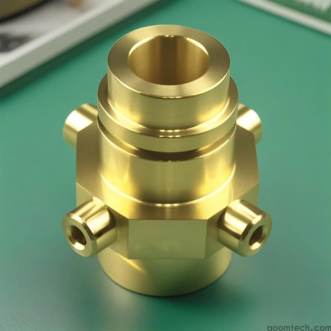
Brass: Good machinability, often used for precision fittings and connectors.
Understanding these differences helps ensure the right material and process are used for each application.
Benefits of Working with a Metal Parts CNC Machining Manufacturer
High-Quality Production
One of the main benefits of metal parts CNC machining is high precision and repeatability. With advanced equipment and strict quality control systems, manufacturers can produce parts that meet tight tolerances and industry standards.
In industries like aerospace and automotive, even a small deviation can affect safety and performance. CNC machining helps reduce these risks by ensuring consistent quality in every batch.
Customization Capabilities
CNC machining allows full customization of metal parts based on customer requirements. Whether it is a unique shape, special size, or complex function, manufacturers can produce tailored solutions.
For example, medical equipment often requires custom titanium implants designed for individual patients. CNC machining makes this possible with high precision and repeatability.
Cost-Effectiveness
Working with an experienced manufacturer can reduce overall production costs. Efficient machining processes, optimized tool usage, and bulk material sourcing help lower unit prices.
In addition, professional manufacturers help avoid costly mistakes such as design errors, material waste, or production rework. Clear communication and proper planning also improve cost efficiency.
Types of Metal Parts Produced by CNC Machining Manufacturers
Structural Metal Parts
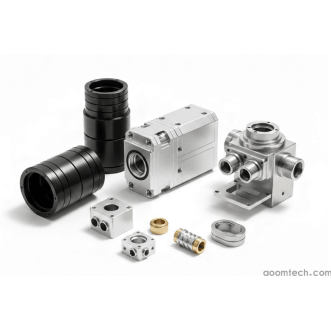
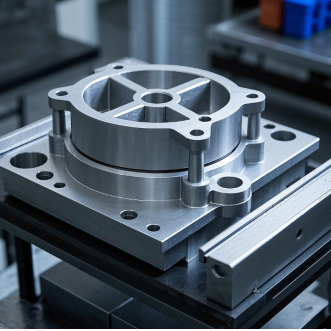
Structural parts such as brackets, frames, and housings provide strength and support in many products. CNC machining ensures these parts are strong, durable, and dimensionally accurate.
These parts are widely used in construction equipment, automotive bodies, and electronic enclosures.
Mechanical Components
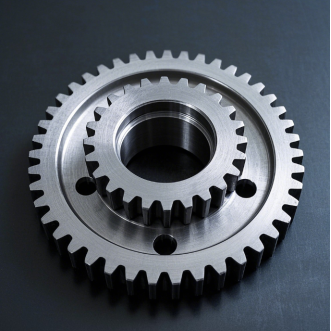
Mechanical components include gears, shafts, bolts, and couplings. These parts are essential for motion and power transmission in machines.
High precision is critical for these components. Even small errors can lead to mechanical failure or reduced efficiency.
Specialty Metal Parts
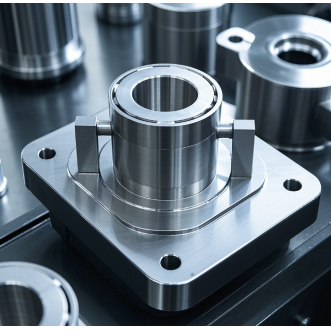
Specialty parts include aerospace components, medical implants, and high-precision connectors. These require strict material control, tight tolerances, and excellent surface finishes.
CNC machining is widely used in these industries because it can meet demanding technical and regulatory requirements.
Quality Control Measures in Metal Parts CNC Machining
In-Process Inspection
In-process inspection ensures quality during production. Operators check dimensions, surface conditions, and tool wear while machining is in progress.
Tools such as calipers, micrometers, and surface roughness testers are commonly used. Early detection of issues helps prevent waste and reduces production errors.
Final Inspection
After production, a final inspection is carried out to ensure all parts meet specifications. High-precision tools such as Coordinate Measuring Machines (CMM) and optical comparators are used.
Inspection checks include dimensional accuracy, surface finish, material quality, and functional performance. Non-conforming parts are either reworked or rejected.
How to Select a Metal Parts CNC Machining Manufacturer
Experience and Reputation
When learning how to select a metal parts CNC manufacturer, experience is one of the most important factors. A manufacturer with many years in the industry is more likely to handle complex projects successfully.
Customer reviews, case studies, and project portfolios can help evaluate reputation and reliability.
Certifications and Compliance
Certifications demonstrate that a manufacturer follows international quality standards. Common certifications include:
ISO 9001: Quality management system standard
ISO 13485: Medical device manufacturing standard
AS9100: Aerospace quality standard
These certifications ensure that production processes are controlled, consistent, and traceable.
Communication and Customer Service
Good communication is essential for successful collaboration. A reliable manufacturer provides clear updates, responds quickly to inquiries, and works closely with customers to solve problems.
Strong communication reduces misunderstandings, improves efficiency, and ensures smooth project execution from design to delivery.
Conclusion: Making an Informed Decision for Metal Parts CNC Machining
Selecting the right Metal Parts CNC Machining Manufacturer is a critical decision that directly affects product quality, cost, and delivery performance. By understanding equipment capabilities, workforce skills, material expertise, and quality control systems, businesses can make better choices.
The key aspects of metal parts CNC manufacturers, including technology, experience, and certifications, help determine their reliability. At the same time, the benefits of metal parts CNC machining such as precision, customization, and cost efficiency make it a preferred manufacturing method across industries.
To achieve the best results, businesses should clearly define requirements, evaluate multiple suppliers, and maintain open communication throughout the production process. A careful selection process ensures long-term success and stable product quality.
RELATED PRODUCTS
-
Medical Brass CNC Machining Parts
-
Precision CNC Machining PEEK Services
-
Precision Custom CNC Machined Car Parts
-
cnc machining optical housings
-
Precision CNC Casting Machining Services
-
Precision Gear CNC Machining Services
-
Precision Stainless Steel Parts CNC Mach
-
CNC Machining of Precision Aluminum Tube
-
CNC Machining of Large Precision Aluminu
-
CNC Machining & Manufacturing of Pre