Multi-axis CNC Machining Complex Parts
Modern industries demand parts with tighter tolerances, more complex geometries, and shorter production times. Multi-axis CNC machining has become the preferred solution for manufacturing complex parts that cannot be produced efficiently with traditional 3-axis machining. Whether you work in aerospace, medical, automotive, robotics, or industrial automation, multi-axis CNC machining offers greater flexibility, higher precision, and lower overall production costs.
What Is Multi-axis CNC Machining?
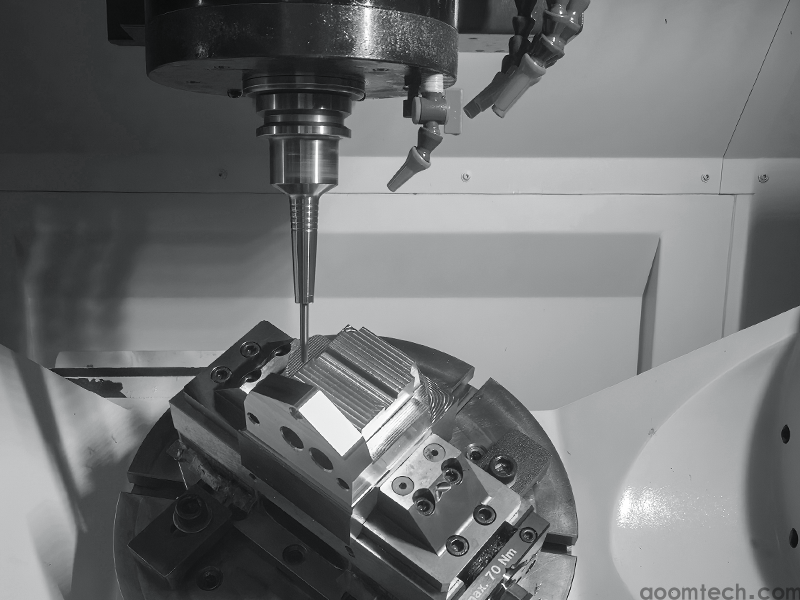
Multi-axis CNC machining refers to CNC machines that move cutting tools or workpieces along more than three axes simultaneously. Besides the standard X, Y, and Z movements, additional rotational axes (A, B, or C) allow the machine to approach the workpiece from multiple directions without manual repositioning.
Common machine configurations include:
4-axis CNC machining
5-axis CNC machining
Mill-turn machining centers
Swiss-type CNC machines with multiple axes
These machines significantly improve machining efficiency while maintaining exceptional dimensional accuracy.
Why Choose Multi-axis CNC Machining for Complex Parts?
Machine Complex Geometries
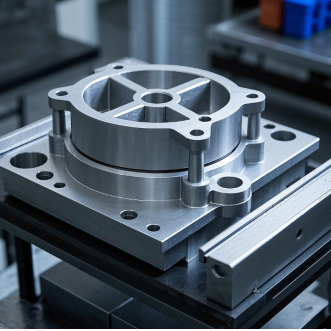
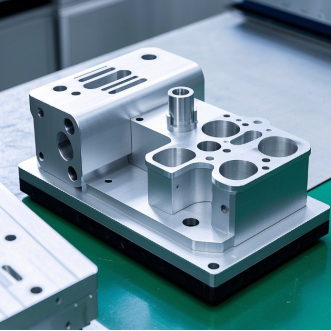
Many modern components contain deep cavities, curved surfaces, undercuts, compound angles, and intricate contours. Multi-axis machining allows cutting tools to reach these features directly, eliminating multiple setups.
Typical complex parts include:
Turbine blades
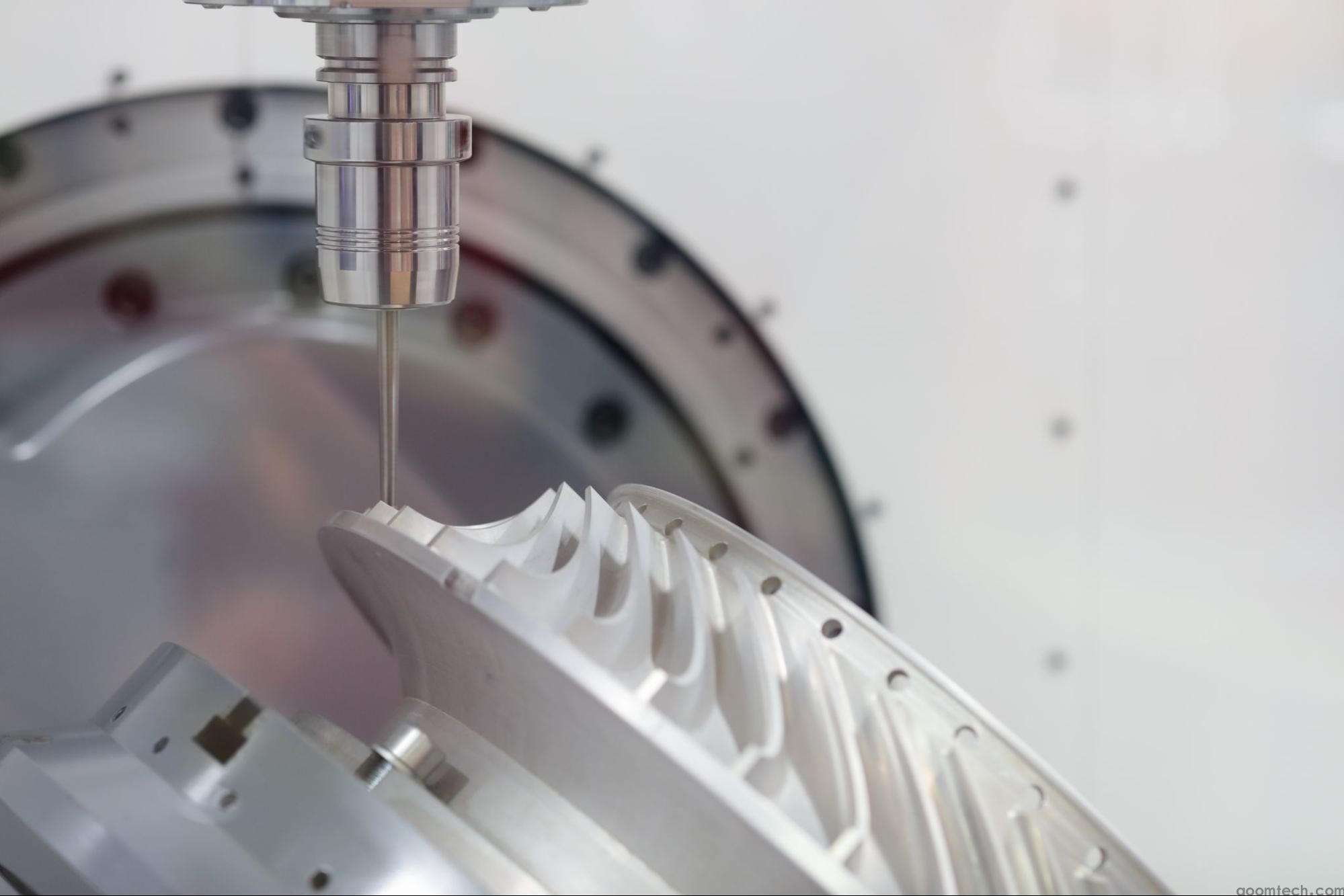
Impellers
Medical implants
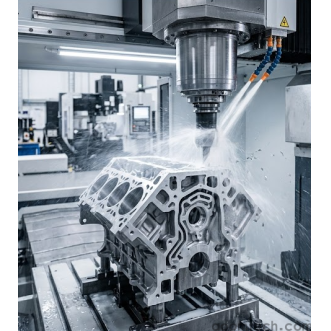
Engine components
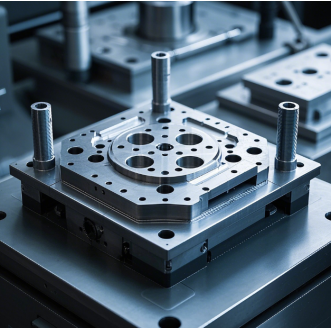
Mold inserts
Robotics components
Higher Precision
Every time a workpiece is removed and repositioned, there is a risk of alignment errors. Multi-axis CNC machining minimizes these errors because most features are completed in a single setup.
Benefits include:
Tighter GD&T compliance
Better positional accuracy
Reduced cumulative tolerance errors
Improved surface consistency
Better Surface Finish
Continuous tool movement allows optimal cutter orientation during machining. The cutting tool maintains a consistent engagement angle, reducing visible tool marks and improving surface roughness.
This is especially important for aerospace, medical, and optical components where surface quality directly affects product performance.
Advantages Over Traditional 3-Axis Machining
Fewer machine setups
Reduced manual intervention
Shorter production cycles
Improved machining accuracy
Lower labor costs
Better repeatability
Reduced fixture requirements
Higher production efficiency
Although multi-axis equipment has a higher hourly machining cost, the reduced setup time and improved productivity often lower the total manufacturing cost.
Materials Suitable for Multi-axis CNC Machining
Multi-axis CNC machining supports a wide variety of engineering materials, including:
Aluminum 6061, 7075
Stainless Steel 304, 316, 17-4PH
Titanium Ti-6Al-4V
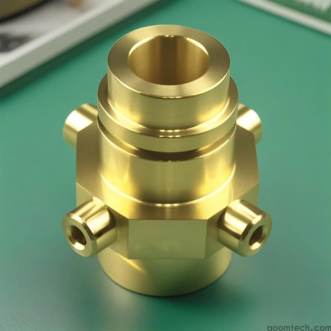
Brass
Copper
Carbon Steel
Tool Steel
Inconel
PEEK
Delrin (POM)
Nylon
PTFE
The material selection depends on the application's strength, corrosion resistance, weight, and thermal requirements.
Industries That Use Multi-axis CNC Machining
Aerospace
Aerospace parts often require complex contours and lightweight structures with extremely tight tolerances. Multi-axis machining produces turbine blades, structural brackets, housings, and engine components efficiently.
Medical Devices
Orthopedic implants, surgical tools, dental components, and prosthetics benefit from excellent surface finish and micron-level precision.
Automotive
High-performance engine parts, transmission housings, turbocharger components, and prototype parts are commonly manufactured using multi-axis CNC machines.
Industrial Equipment
Robotics, automation equipment, semiconductor machinery, and precision instruments require complex custom components with excellent dimensional stability.
Key Technologies Used in Multi-axis Machining
Simultaneous 5-axis machining
High-speed machining (HSM)
Dynamic toolpath optimization
Adaptive machining strategies
Tool length compensation
Collision simulation
CAM programming
In-process probing
Advanced CAM software calculates efficient toolpaths while avoiding collisions and maintaining optimal cutting conditions throughout the machining process.
Quality Control for Complex Parts
Manufacturing complex components requires comprehensive quality inspection throughout production.
Professional manufacturers commonly use:
CMM inspection
Laser measurement systems
Optical inspection equipment
Surface roughness testers
Digital height gauges
Coordinate verification
Inspection reports help ensure every critical dimension meets customer specifications.
How to Choose a Multi-axis CNC Machining Supplier
Not every CNC machine shop has true multi-axis machining capabilities. Before selecting a supplier, evaluate the following:
Available 5-axis machining centers
Experience with similar complex parts
Engineering and CAM programming expertise
ISO-certified quality management system
Advanced inspection equipment
Material sourcing capabilities
Prototype and production capacity
On-time delivery performance
Request sample projects, inspection reports, and machining capability information before placing large production orders.
Reducing Costs with Multi-axis CNC Machining
Although machine rates are generally higher than standard CNC mills, total production costs can be significantly lower because fewer setups, shorter machining cycles, and reduced manual operations improve efficiency.
Manufacturers also save money through:
Lower fixture costs
Less scrap
Reduced operator time
Faster production
Improved first-pass yield
Higher machining consistency
Conclusion
Multi-axis CNC machining is the ideal manufacturing solution for complex, high-precision components across numerous industries. By reducing setups, improving accuracy, and producing intricate geometries in a single operation, it delivers higher quality while shortening lead times. When selecting a machining partner, focus on technical expertise, modern equipment, quality control systems, and proven experience with complex parts to ensure reliable, cost-effective production.
RELATED PRODUCTS
-
Medical Brass CNC Machining Parts
-
Precision CNC Machining PEEK Services
-
Precision Custom CNC Machined Car Parts
-
cnc machining optical housings
-
Precision CNC Casting Machining Services
-
Precision Gear CNC Machining Services
-
Precision Stainless Steel Parts CNC Mach
-
CNC Machining of Precision Aluminum Tube
-
CNC Machining of Large Precision Aluminu
-
CNC Machining & Manufacturing of Pre