Non-Standard CNC Precision Machining Customization
Introduction to Non-Standard CNC Precision Machining Customization
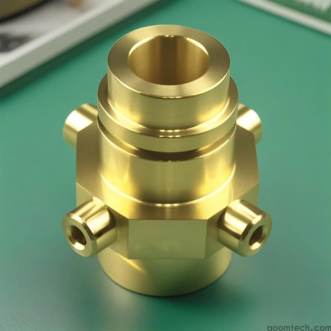
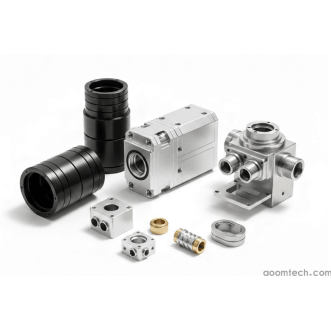
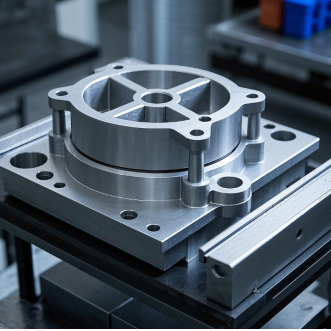
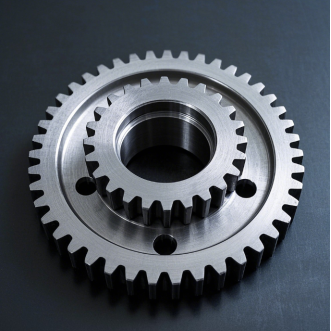
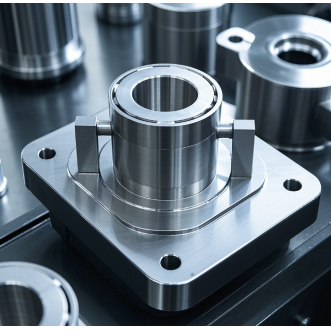
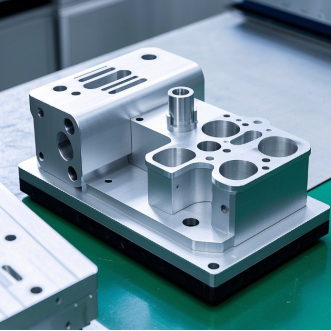
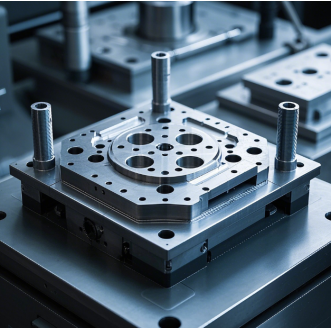
Non-Standard CNC Precision Machining Customization refers to the manufacturing of tailor-made components that do not follow standard dimensions, shapes, or design catalogs. These parts are created using CNC (Computer Numerical Control) technology to meet highly specific engineering requirements across industries such as aerospace, medical, electronics, and advanced manufacturing.
The significance of non-standard custom parts lies in their ability to solve unique engineering challenges. Many industries require components that cannot be purchased off the shelf. For example, a custom-designed turbine blade for a new aerospace engine, patient-specific dental implants, or specialized semiconductor equipment parts all depend on precision customization.
These non-standard components support innovation, improve product performance, and enable companies to meet evolving market demands where standard parts are not sufficient.
Importance of CNC Precision in Non-Standard Machining
High-Precision Tailoring
CNC precision machining enables the production of non-standard parts with extremely tight tolerances. Since these components are often used in complex systems, even a small deviation can lead to failure or reduced efficiency.
For example, in medical devices, an inaccurately machined part could affect device functionality and compromise patient safety. CNC systems ensure repeatability, accuracy, and stability throughout production, making them essential for high-risk applications.
Meeting Diverse Design Requirements
Non-standard CNC machining can produce highly complex geometries, including internal channels, curved surfaces, and multi-axis structures. These designs are often impossible to manufacture using conventional methods.
Examples include cooling-channel components for industrial machines or compact, high-precision connectors used in advanced electronics. CNC technology makes it possible to transform digital designs into fully functional physical parts with high consistency.
Cost-Effectiveness for Specialized Production
Although initial setup costs for custom machining may be higher, CNC machining becomes cost-efficient for small to medium production runs. Reduced manual labor, fewer errors, and optimized tool paths help lower the overall production cost.
This makes CNC an ideal solution for startups and R&D teams requiring prototype or low-volume custom parts.
CNC Machining Processes for Non-Standard Precision Parts
Milling
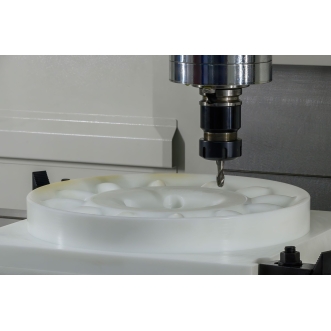
CNC milling for non-standard precision parts involves rotating cutting tools that remove material from a workpiece. It is used to create flat surfaces, grooves, slots, and complex 3D shapes.
Key parameters such as spindle speed, feed rate, and cutting depth must be adjusted based on material type. For example, machining titanium requires slower speeds and stronger cutting tools compared to plastics.
Carbide-coated tools are commonly used to ensure durability and precision when working with hard materials.
Turning
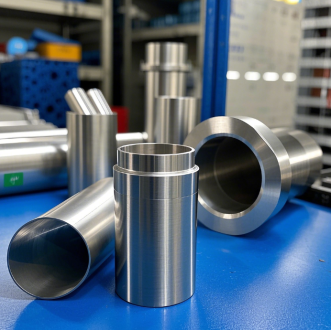
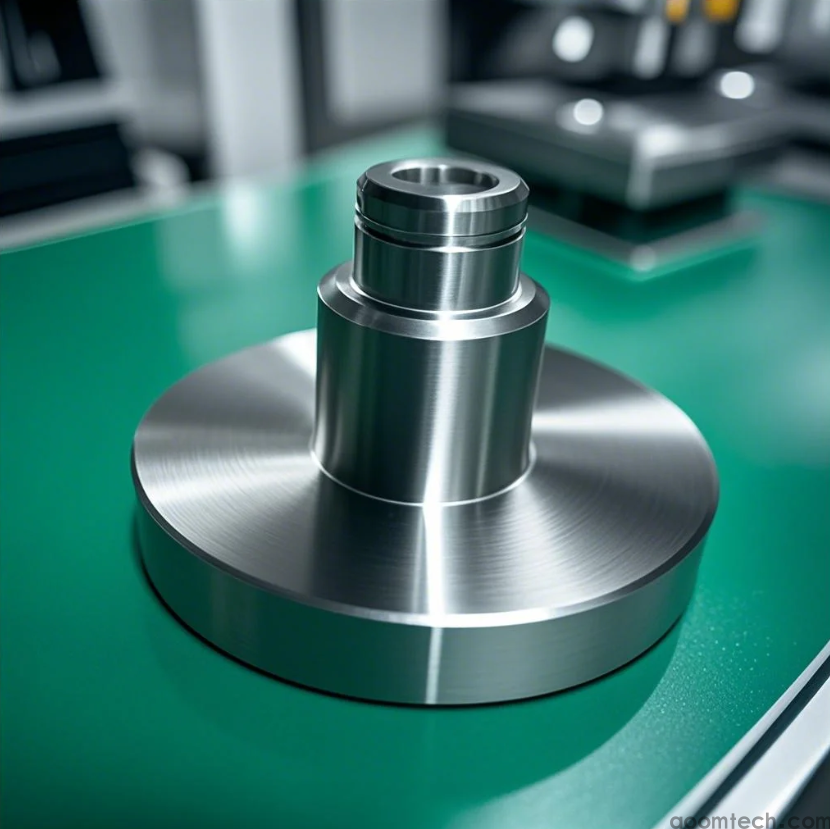
Turning is used to manufacture cylindrical components such as shafts, bushings, and threaded parts. The workpiece rotates while the cutting tool removes material.
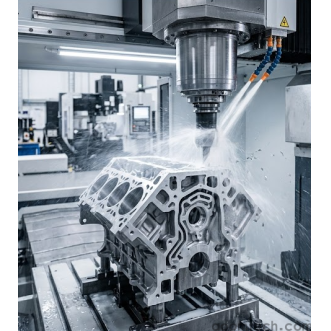
Maintaining concentricity and surface finish is critical. Proper coolant usage, chip control, and tool selection help ensure accuracy and prevent overheating or tool wear.
Electrical Discharge Machining (EDM)
EDM is used for materials that are difficult to machine with traditional tools, especially hardened metals. It works by using electrical sparks to erode material.
There are two main types: wire EDM and die-sinking EDM. Wire EDM is ideal for cutting intricate shapes, while die-sinking EDM is used for cavity-based components such as molds.
Although slower than conventional machining, EDM provides unmatched precision for complex geometries.
Materials Used in Non-Standard CNC Machining
Metals
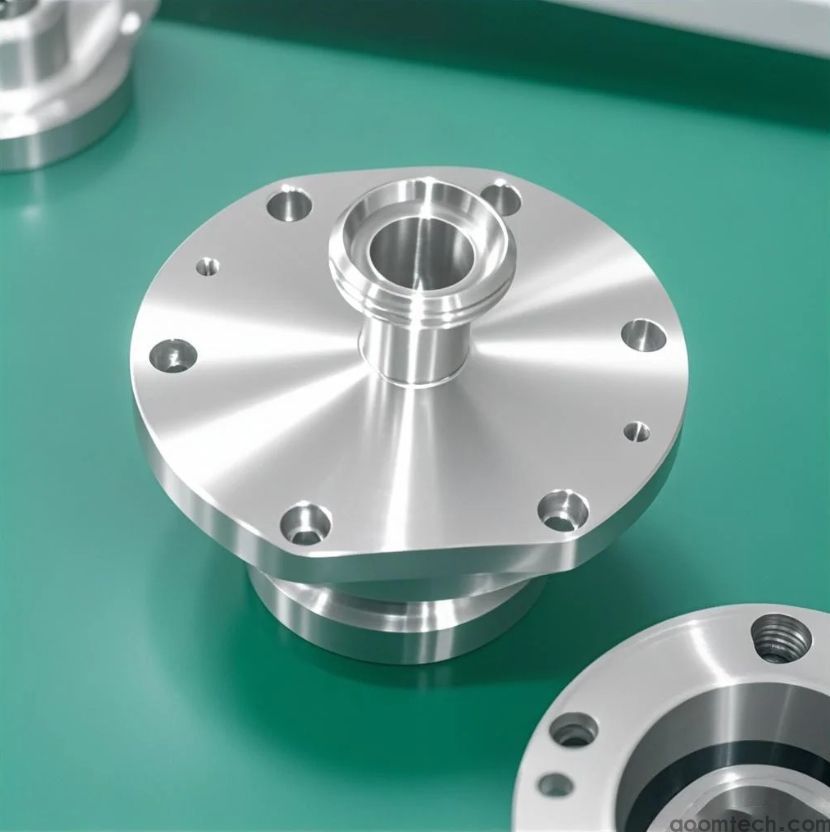
Materials for non-standard CNC-machined components commonly include steel, aluminum, and titanium.
Steel: High strength and durability, used in heavy-load applications such as industrial machinery.
Aluminum: Lightweight with good thermal conductivity, ideal for electronics and medical devices.
Titanium: High strength-to-weight ratio and corrosion resistance, widely used in aerospace and medical implants.
Ceramics and Composites
Ceramics offer high hardness, wear resistance, and heat stability, making them suitable for electronics and high-temperature applications. However, they are brittle and require specialized machining techniques such as diamond tooling.
Composite materials like carbon-fiber-reinforced polymers combine strength and lightweight properties. Machining these materials requires careful control to avoid fiber damage and delamination.
Challenges in Non-Standard CNC Precision Machining
Tool Wear and Breakage
Hard materials and complex geometries increase tool wear. Small or delicate cutting tools are especially prone to breakage.
Solutions include using coated carbide or diamond tools, monitoring tool condition, and optimizing tool paths to reduce stress.
Heat Generation
Excessive heat can affect dimensional accuracy and tool life. Materials like titanium and ceramics are particularly sensitive to heat buildup.
Effective cooling systems, optimized cutting speeds, and proper feed rates help control heat during machining.
Programming Complexity
Non-standard parts require advanced CNC programming due to their unique shapes and multi-axis machining needs.
Using CAD/CAM software, simulation tools, and skilled programmers helps reduce errors and improve machining efficiency.
Choosing a Provider for Non-Standard CNC Precision Machining Customization
Technical Expertise
When selecting a service provider, technical capability is crucial. Experienced manufacturers understand material behavior, machining strategies, and complex design requirements.
Evaluating past projects, industry experience, and sample quality can help assess their expertise.
Quality Assurance
A reliable provider must have strict quality control systems. This includes in-process inspection and final testing using advanced tools such as CMM (Coordinate Measuring Machines), hardness testers, and surface profilometers.
Strong quality assurance ensures every part meets design specifications and performance standards.
Cost-Effectiveness and Lead Times
Balancing cost, quality, and delivery time is essential. Comparing multiple quotes helps identify fair pricing, while reviewing delivery history ensures reliability.
Efficient production planning and experienced engineering teams can significantly reduce lead times for custom orders.
Conclusion
Non-Standard CNC Precision Machining Customization plays a vital role in modern manufacturing by enabling the production of highly specialized components that standard processes cannot achieve.
By understanding processes like milling, turning, and EDM, selecting suitable materials, and working with experienced providers, businesses can achieve high-quality results even for the most complex designs.
As industries continue to evolve, demand for precision, customization, and innovation will make CNC machining an essential technology for future manufacturing success.
RELATED PRODUCTS
-
Medical Brass CNC Machining Parts
-
Precision CNC Machining PEEK Services
-
Precision Custom CNC Machined Car Parts
-
cnc machining optical housings
-
Precision CNC Casting Machining Services
-
Precision Gear CNC Machining Services
-
Precision Stainless Steel Parts CNC Mach
-
CNC Machining of Precision Aluminum Tube
-
CNC Machining of Large Precision Aluminu
-
CNC Machining & Manufacturing of Pre