part Parts CNC Machining Services
Introduction to Parts CNC Machining Services
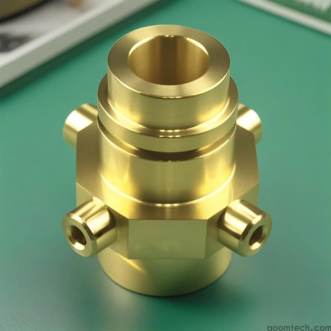
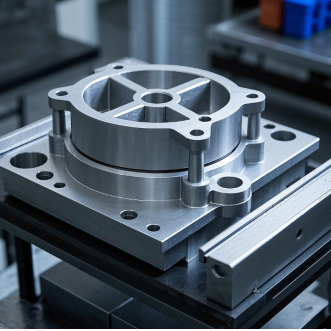
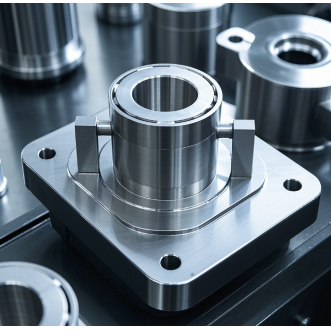
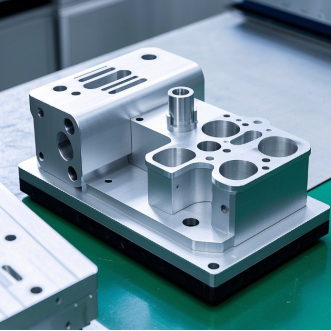
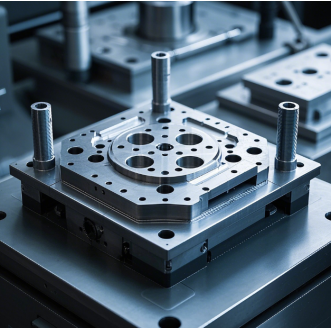
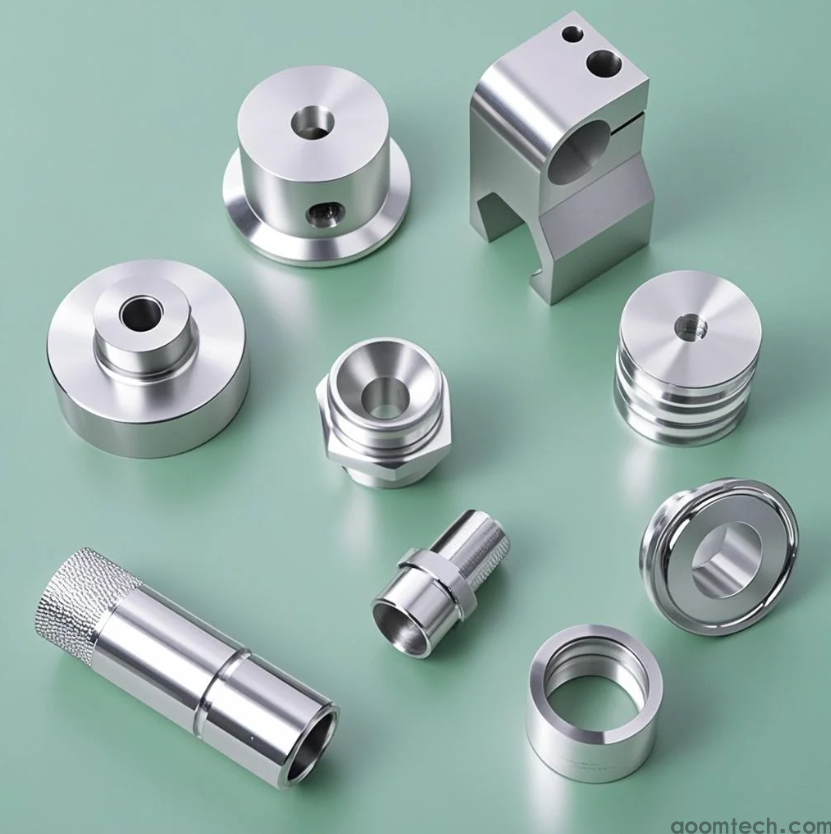
Parts CNC (Computer Numerical Control) machining services are an essential part of modern manufacturing. These services use computer-controlled machines to produce high-precision components from different materials such as metal, plastic, and alloys. Instead of manual machining, CNC systems follow programmed instructions to shape parts with high accuracy, repeatability, and efficiency.
The significance of Parts CNC Machining Services lies in their wide application across industries. In the automotive industry, CNC-machined engine parts help vehicles run smoothly and efficiently. In aerospace, highly precise components improve flight safety and performance. In electronics, CNC machining produces accurate housings and connectors, while in the medical field, it helps create life-saving surgical tools and implants with exact specifications.
Range of Parts Produced by CNC Machining Services
Mechanical Parts
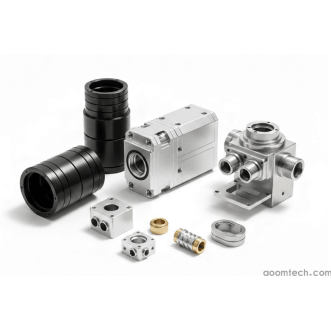
Mechanical components are among the most common outputs of CNC machining. These include gears, shafts, and brackets.
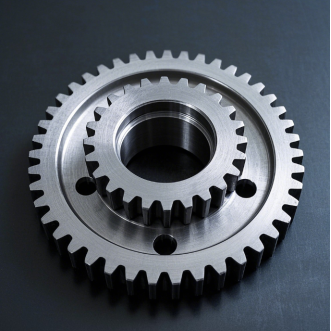
Gears: Used for power transmission, CNC machining ensures precise tooth profiles for smooth and efficient motion.
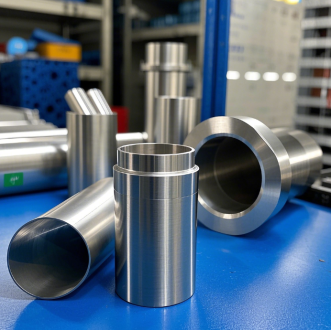
Shafts: These components transfer rotational force. CNC machining guarantees high concentricity and dimensional accuracy.
Brackets: Used for structural support in machines and systems, they can be produced in complex shapes for specific applications.
Common materials include steel for strength, aluminum for lightweight applications, and stainless steel for corrosion resistance.
Aerospace Parts
Aerospace manufacturing demands extremely high precision. CNC machining is used to produce turbine blades, structural components, and fasteners.
Turbine blades: Require complex geometries and must withstand high temperatures and pressure.
Structural parts: Must be lightweight yet extremely strong to ensure aircraft efficiency.
Fasteners: Require strict tolerances for safety-critical applications.
Materials such as titanium alloys are commonly used due to their high strength-to-weight ratio and heat resistance.
Medical Parts
CNC machining services also play a key role in the medical industry. They produce surgical instruments, orthopedic implants, and dental components.
Surgical tools: Must be extremely precise for safe medical procedures.
Implants: Such as hip and knee replacements, often require patient-specific customization.
Materials like stainless steel and titanium are widely used because they are strong, durable, and biocompatible.
Electronics Parts
In electronics manufacturing, CNC machining is used to produce heat sinks, connectors, and enclosures.
Heat sinks: Designed with complex fin structures to improve heat dissipation.
Connectors: Require precise pin alignment for stable electrical performance.
Enclosures: Protect sensitive electronic components and circuit boards.
Aluminum is commonly used due to its excellent thermal conductivity and lightweight properties.
The Process of Parts CNC Machining Services
Design and Programming
The process begins with CAD (Computer-Aided Design) software, where engineers create a detailed 3D model of the part. This model defines dimensions, tolerances, and functional requirements. Then, CAM (Computer-Aided Manufacturing) software converts the design into CNC machine instructions.
This stage is critical because even a small programming error can lead to machining defects, material waste, or part failure.
Material Selection and Preparation
Material selection depends on the application. Engineers consider strength, hardness, corrosion resistance, and cost. After selecting the material, it is cut and prepared into suitable blanks for machining.
Proper preparation ensures stable machining performance and reduces production errors.
CNC Machining Operations
Milling
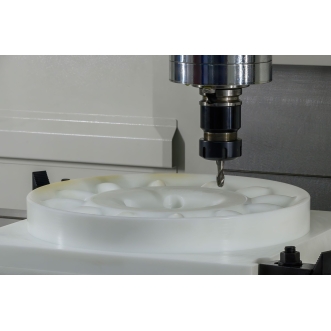
Milling uses rotating cutting tools to remove material and create flat surfaces, grooves, and complex shapes. Tool selection and cutting parameters like spindle speed and feed rate must be carefully adjusted based on material type.
Turning
Turning is used to produce cylindrical parts such as shafts. The workpiece rotates while the cutting tool removes material. Precision is essential to maintain concentricity and surface quality.
Drilling and Boring
Drilling creates holes, while boring refines or enlarges them. Accurate hole placement is essential for proper assembly and function of parts.
Finishing Operations
After machining, parts may undergo finishing processes such as deburring, polishing, coating, or heat treatment. These processes improve surface quality, durability, and performance.
Benefits of Parts CNC Machining Services
High Precision
CNC machining delivers extremely tight tolerances and consistent accuracy. This ensures that parts fit perfectly in assemblies, reducing mechanical failure and improving product reliability.
Customization
One of the biggest advantages is flexibility. CNC machining can produce custom-designed parts based on specific requirements, making it ideal for specialized industries and prototype development.
Cost-Effectiveness for Small Batches
For low to medium production volumes, CNC machining is cost-efficient. It eliminates the need for expensive molds or tooling, making it ideal for prototypes and small production runs.
Challenges in Parts CNC Machining Services
Tool Wear and Breakage
Cutting tools wear out over time, especially when machining hard materials like titanium or steel. Poor cutting conditions can also lead to tool breakage. Regular monitoring and using high-quality coated tools can help reduce this issue.
Heat Generation and Material Deformation
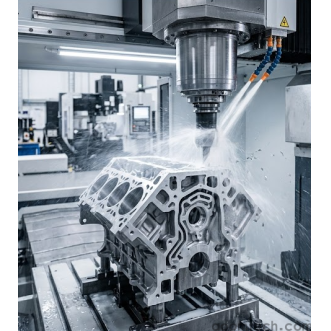
High-speed machining generates heat, which may cause material deformation or dimensional errors. Using coolant systems and optimizing cutting parameters helps control temperature and improve accuracy.
Surface Finish and Dimensional Accuracy
Achieving a smooth surface and precise dimensions can be challenging due to vibration, tool deflection, or thermal expansion. Proper machine calibration and sharp tools are essential for maintaining quality.
How to Choose a Parts CNC Machining Service Provider
Experience and Expertise
Choose a provider with strong industry experience. A skilled team can handle complex designs, different materials, and strict tolerances. Reviewing past projects and industry experience helps evaluate capability.
Quality Assurance
A reliable provider should have strict quality control systems. This includes in-process inspection and final inspection using tools such as calipers, micrometers, and CMM (Coordinate Measuring Machines).
Cost and Turnaround Time
While price is important, it should not compromise quality. Compare multiple suppliers, check lead times, and ensure they can deliver on schedule without sacrificing precision.
Conclusion
Parts CNC Machining Services play a vital role in modern manufacturing by delivering precise, reliable, and custom-engineered components for a wide range of industries. From mechanical and aerospace parts to medical and electronic components, CNC machining ensures high-quality production with excellent consistency.
Understanding the process of parts CNC machining services, their benefits, and challenges helps businesses make better manufacturing decisions. By carefully selecting a trusted provider and focusing on quality, companies can achieve better performance, lower costs, and improved product reliability.
Whether for prototypes or mass production, CNC machining remains one of the most efficient and flexible solutions in today’s industrial world.
RELATED PRODUCTS
-
Medical Brass CNC Machining Parts
-
Precision CNC Machining PEEK Services
-
Precision Custom CNC Machined Car Parts
-
cnc machining optical housings
-
Precision CNC Casting Machining Services
-
Precision Gear CNC Machining Services
-
Precision Stainless Steel Parts CNC Mach
-
CNC Machining of Precision Aluminum Tube
-
CNC Machining of Large Precision Aluminu
-
CNC Machining & Manufacturing of Pre