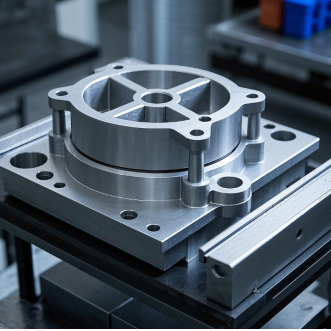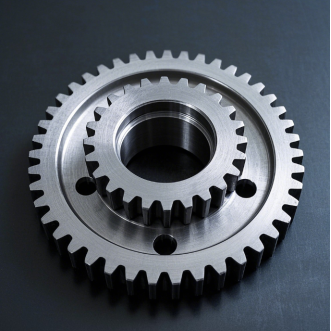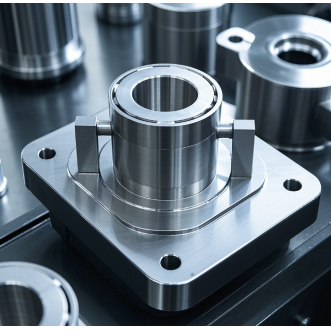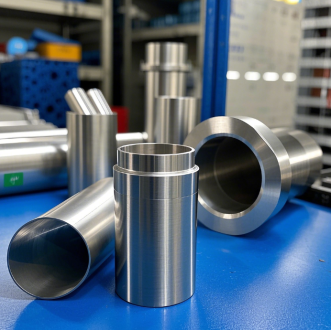
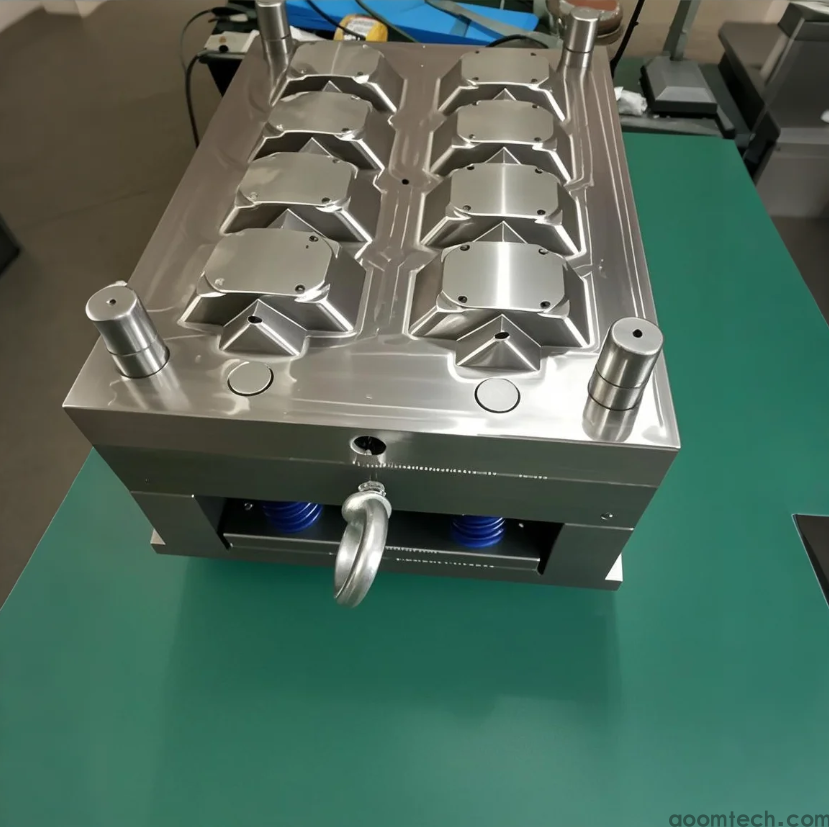
Precision Mold CNC Machining Services
Introduction to Precision Mold CNC Machining Services
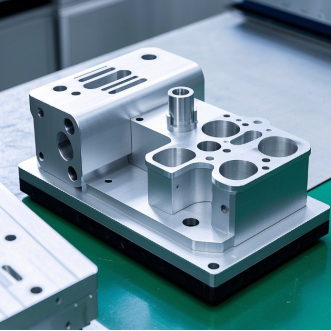
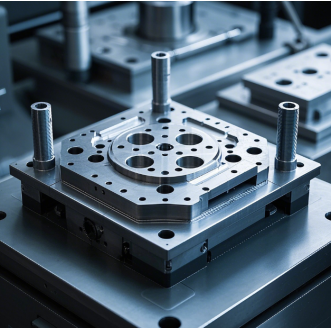
Precision Mold CNC Machining Services play a key role in modern manufacturing. Molds are essential tools used to produce a wide range of products, including plastic toys, medical devices, automotive components, and consumer electronics. High-precision molds ensure that every product is made with accurate dimensions, smooth surface finish, and consistent quality.
Without precise molds, mass production would not be efficient or reliable. Even small errors in a mold can lead to defective products, wasted materials, and higher production costs. For this reason, manufacturers, product designers, and business owners rely heavily on professional CNC machining services to achieve high-quality mold production.
Understanding the process of precision mold CNC machining helps businesses make better decisions, improve product quality, and stay competitive in global markets.
The Significance of Precision Mold CNC Machining Services
Precision mold CNC machining services are vital because they connect design ideas with real-world production. CNC (Computer Numerical Control) technology allows manufacturers to produce molds with extremely tight tolerances and complex shapes that would be difficult using traditional machining methods.
These services directly impact production efficiency and product performance. A well-made mold reduces production defects, improves cycle time, and ensures long-term stability in manufacturing. As industries demand higher accuracy and faster delivery, CNC mold machining becomes even more important for maintaining competitiveness.
The Process of Precision Mold CNC Machining
Design and Programming
The process begins with detailed mold design using CAD (Computer-Aided Design) software. Engineers create a 3D model of the mold based on product requirements such as shape, size, wall thickness, and ejection system design.
After the design stage, CAM (Computer-Aided Manufacturing) software converts the CAD model into CNC machine instructions. This includes defining toolpaths, cutting speeds, feed rates, and cutting depth.
For example, complex molds with deep cavities require careful toolpath planning to avoid tool collisions, while thin-walled molds need optimized cutting speeds to prevent deformation. Proper programming ensures accuracy, efficiency, and tool life optimization.
Material Selection and Preparation
Material selection is a critical step in mold manufacturing. Common materials include steel, aluminum, and specialized alloys. Each material offers different advantages depending on the application.
Steel: High durability and wear resistance, suitable for mass production molds.
Aluminum: Lightweight and easy to machine, often used for prototypes or short-run production.
Special alloys: Used in high-temperature or high-strength applications.
Before machining, materials are cut to size and may undergo heat treatment to improve hardness, toughness, or wear resistance. Proper preparation ensures stable machining performance and mold longevity.
Machine Setup and Tooling
CNC machine setup involves securing the raw material using precision fixtures. Any movement during machining can cause dimensional errors, so stability is essential.
Tool selection is equally important. Common tools include carbide end mills, ball-nose cutters, and drills. Each tool is selected based on the machining task, such as rough cutting, finishing, or drilling cooling channels.
Machine settings like spindle speed and feed rate must match both the material and tool type to ensure optimal performance and surface quality.
Machining Operations
Milling
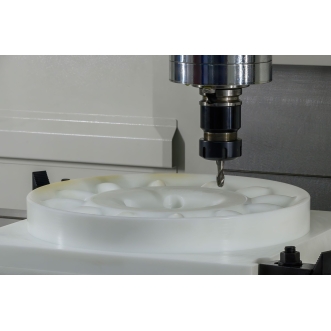
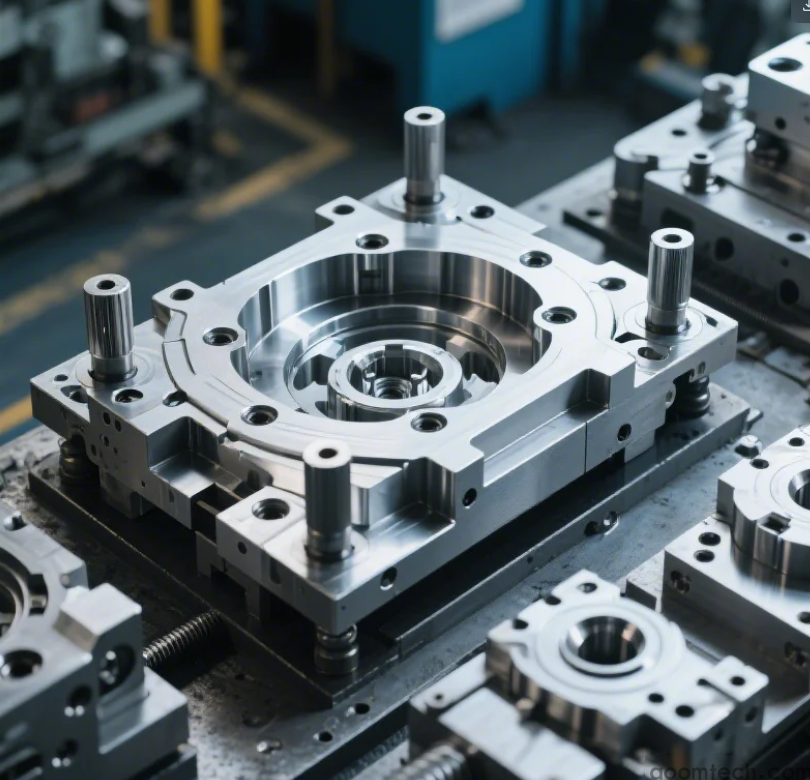
Milling is the primary operation in mold manufacturing. It is used to create complex 3D surfaces, cavities, and structural features.
Ball-nose mills are used for smooth curved surfaces, while flat-end mills are used for flat areas and slots. Proper chip removal is essential to avoid surface defects and tool damage.
Drilling
Drilling is used to create holes for ejector pins, cooling systems, and fasteners. Precision in hole placement is critical for mold functionality.
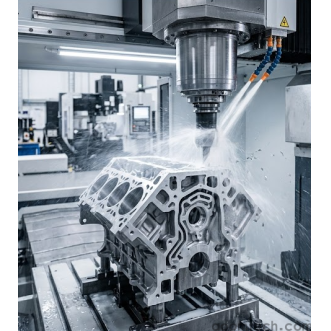
Cooling fluid is often applied during drilling to prevent overheating and improve tool life. Incorrect drilling parameters can cause tool breakage or dimensional inaccuracies.
Finishing and Polishing
After rough machining, finishing operations refine the mold surface to meet strict quality requirements. This step improves dimensional accuracy and surface smoothness.
Polishing is especially important for plastic injection molds, as it ensures easy product release and reduces surface defects on final products.
Benefits of Precision Mold CNC Machining Services
High Precision
CNC machining achieves extremely tight tolerances, often within micrometer levels. This ensures that every molded product matches the original design with high accuracy.
High precision reduces defects and improves product reliability, especially in industries like automotive and medical manufacturing.
Complex Geometries
Modern CNC technology allows the production of molds with highly complex geometries, including internal channels and intricate surface patterns.
This capability supports innovation in product design, enabling manufacturers to produce advanced components that were previously impossible to manufacture.
Consistent Quality
Once a CNC program is set, it can reproduce identical molds with consistent quality. This reduces human error and ensures stable production across large batches.
Types of Molds Produced by Precision Mold CNC Machining Services
Plastic Injection Molds
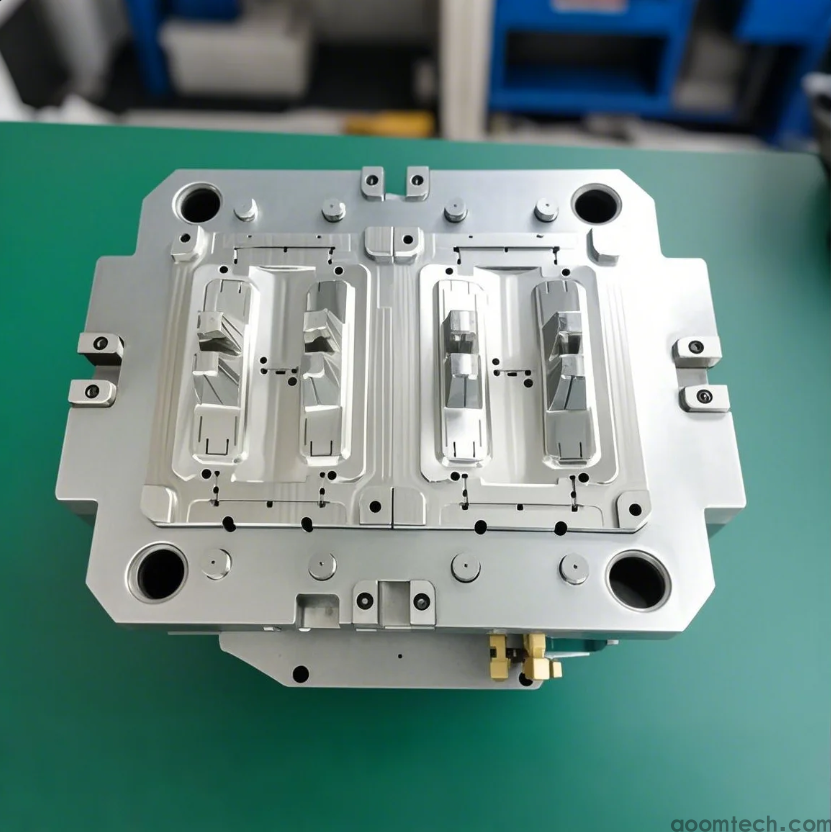
Plastic injection molds are widely used in consumer goods and industrial products. CNC machining creates precise cavities, cores, and cooling channels for efficient plastic shaping.
Die-Casting Molds
Die-casting molds are used for producing metal parts under high pressure and temperature. These molds require strong materials and high machining accuracy to ensure durability and performance.
Compression Molds
Compression molds are used for rubber, thermoset plastics, and composite materials. CNC machining ensures accurate cavity formation and consistent product shape during compression molding processes.
Material Considerations in Precision Mold CNC Machining Services
Steel
Steel is the most commonly used mold material due to its strength and wear resistance. Grades like P20, H13, and S7 are widely used depending on application requirements.
Proper tool selection, cutting speed adjustment, and heat treatment are essential when machining steel to achieve optimal results.
Aluminum
Aluminum is used for lightweight molds and rapid prototyping. It is easier to machine than steel but requires careful temperature control to avoid deformation and surface issues.
Quality Control in Precision Mold CNC Machining Services
In-Process Inspection
During machining, measurements are continuously checked using precision instruments such as calipers, micrometers, and surface roughness testers.
Early detection of errors allows immediate corrections, reducing waste and preventing defective molds.
Final Inspection
After machining and polishing, molds undergo final inspection using advanced equipment like Coordinate Measuring Machines (CMM).
Inspection checks include dimensional accuracy, surface finish, and functional performance. Non-conforming molds may be reworked or rejected depending on severity.
How to Choose a Precision Mold CNC Service Provider
Experience and Expertise
Choosing an experienced provider is essential for successful mold production. Companies with strong industry experience understand material behavior, machining challenges, and design optimization.
Reviewing case studies, customer feedback, and years of operation can help evaluate expertise.
Equipment and Technology
Advanced CNC equipment, such as 5-axis machines and high-speed machining centers, improves precision and efficiency.
Modern technology allows faster production of complex molds while maintaining high accuracy and surface quality.
Quality Management System
A reliable service provider should follow strict quality management systems such as ISO 9001 standards.
This ensures consistent production quality, proper calibration of equipment, and trained technical staff for every stage of manufacturing.
Conclusion: Leveraging Precision Mold CNC Machining Services
Precision Mold CNC Machining Services are essential for producing high-quality, reliable, and cost-effective molds used across many industries. From design and programming to machining, finishing, and quality control, each step plays a critical role in ensuring product success.
Understanding the process of precision mold CNC machining, the benefits of precision mold CNC services, and how to evaluate choosing a precision mold CNC service provider helps businesses make informed decisions and achieve better manufacturing outcomes.
By working with skilled providers and using advanced CNC technology, companies can improve efficiency, reduce costs, and maintain consistent product quality in competitive global markets.
RELATED PRODUCTS
-
Medical Brass CNC Machining Parts
-
Precision CNC Machining PEEK Services
-
Precision Custom CNC Machined Car Parts
-
cnc machining optical housings
-
Precision CNC Casting Machining Services
-
Precision Gear CNC Machining Services
-
Precision Stainless Steel Parts CNC Mach
-
CNC Machining of Precision Aluminum Tube
-
CNC Machining of Large Precision Aluminu
-
CNC Machining & Manufacturing of Pre