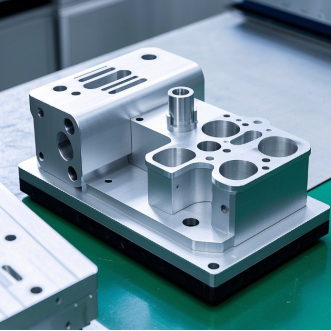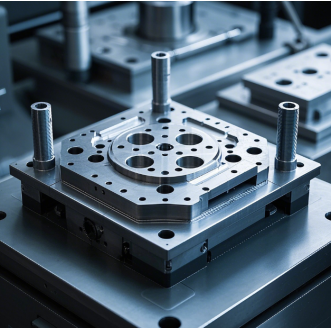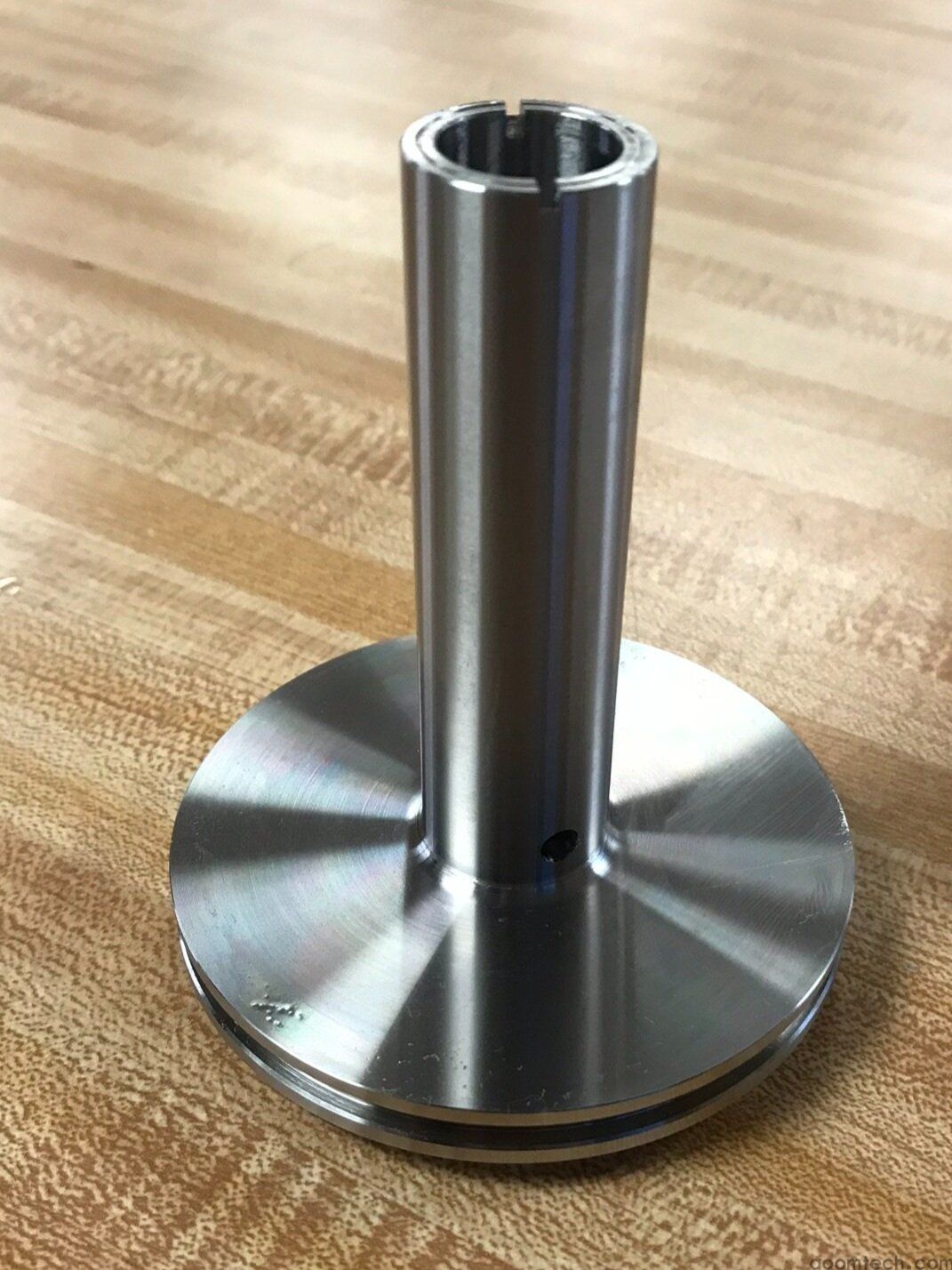
Professional CNC Machining for Titanium Parts
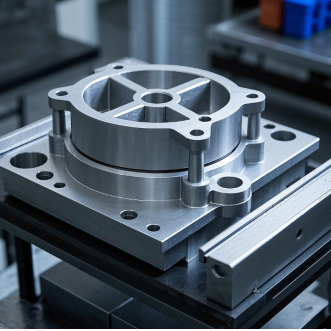
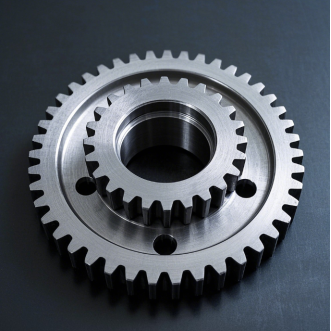
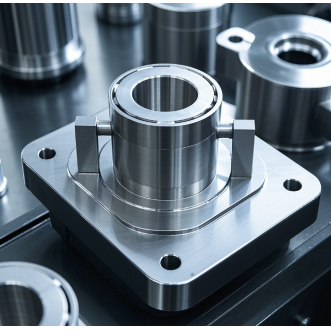
In modern manufacturing, Professional CNC Machining for Titanium Parts plays a critical role in producing high-performance components used in demanding industries. Titanium is known for its strength, light weight, and corrosion resistance, but it is also one of the most challenging materials to machine. This is why professional expertise and advanced CNC technology are essential for achieving accurate and reliable results.
Introduction to Titanium Parts and Their Industrial Value
Titanium parts are widely used in industries where performance, durability, and reliability are essential. Titanium offers a unique combination of properties:
High strength-to-weight ratio – stronger than steel but significantly lighter
Excellent corrosion resistance – performs well in harsh environments such as seawater and chemicals
Biocompatibility – safe for use inside the human body
Because of these advantages, titanium components are commonly used in:
Aerospace structures and aircraft engines
Medical implants such as bone screws and joint replacements
Automotive racing parts and high-performance vehicles
Marine equipment exposed to saltwater conditions
These applications require extreme precision and consistency, which is why CNC machining for titanium parts is so important.
Importance of Professional CNC Machining for Titanium
Precision Manufacturing
Titanium components often have complex geometries and very tight tolerances. Professional CNC machining ensures that every part is manufactured exactly according to design specifications.
Even small errors in machining can lead to serious problems such as:
Poor assembly fit in aerospace systems
Reduced performance in mechanical systems
Failure of medical implants due to dimensional inaccuracy
With advanced CNC systems, manufacturers can achieve micron-level accuracy, ensuring reliable performance in critical applications.
Material Optimization
Titanium is an expensive material, so waste reduction is extremely important. Professional CNC machining helps optimize material usage through precise programming and cutting strategies.
Benefits include:
Reduced raw material waste
Efficient cutting paths to minimize machining time
Optimized part design for maximum material utilization
Advanced CAD/CAM programming allows engineers to simulate machining processes before production, reducing errors and improving efficiency.
CNC Machining Processes for Titanium Parts
Milling
CNC milling for titanium parts is used to create complex shapes, flat surfaces, slots, and 3D geometries. During milling, rotating cutting tools remove material from a stationary workpiece.
However, titanium is difficult to mill due to its high strength and low thermal conductivity. These properties cause heat to concentrate at the cutting edge, leading to tool wear.
To solve this, professionals use:
Carbide or coated cutting tools
Low to moderate spindle speeds
High-feed cutting strategies
Continuous coolant application
These techniques help improve surface finish and extend tool life.
Turning
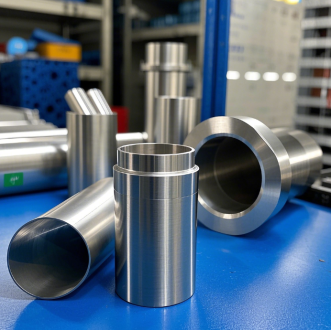
Turning is used to produce cylindrical titanium parts such as shafts, rods, and threaded components. In this process, the workpiece rotates while a cutting tool removes material.
Key considerations include:
Maintaining stable cutting conditions to prevent vibration
Using sharp, wear-resistant tools designed for titanium
Controlling cutting speed to avoid overheating
Proper parameter control ensures dimensional accuracy and smooth surface quality.
Drilling
Drilling titanium requires special attention because the material tends to generate heat and resist cutting. Poor drilling techniques can cause tool breakage or inaccurate holes.
Common best practices include:
Using cobalt or carbide drills
Applying steady, controlled feed rates
Using coolant to reduce heat buildup
Frequent chip clearing to avoid blockage
These methods help achieve clean, precise holes with consistent quality.
Challenges in CNC Machining Titanium Parts
Tool Wear
One of the biggest challenges in CNC machining titanium is rapid tool wear. Titanium generates high cutting forces and heat, which can quickly damage tools.
Solutions include:
Using high-performance coated tools
Applying high-pressure coolant systems
Optimizing cutting speeds and feed rates
Heat Generation
Titanium has low thermal conductivity, meaning heat stays in the cutting zone. This can affect tool life and part accuracy.
To manage heat effectively, manufacturers use:
Flood cooling or high-pressure coolant systems
Shallow cutting depths
Efficient tool path strategies
Chip Formation
Titanium often produces long, stringy chips that can interfere with machining operations. These chips may wrap around tools or damage surface quality.
To control chip formation, professionals use:
Chip-breaking tool geometries
Optimized feed and speed settings
Proper coolant direction and pressure
Choosing a Professional CNC Machining Service Provider for Titanium Parts
Technical Expertise
When selecting a provider for choosing a provider for titanium CNC machining, technical knowledge is essential. Titanium machining requires experience, precision, and advanced equipment.
To evaluate expertise, consider:
Past projects involving titanium components
Engineering team qualifications
Ability to handle complex geometries
Sample product quality and surface finish
Quality Assurance
A reliable manufacturer must have a strong quality control system. This ensures every titanium part meets strict industry standards.
Common quality assurance tools include:
Coordinate Measuring Machines (CMM)
Surface profilometers
Hardness testing equipment
Good providers also perform in-process inspections and final inspections to ensure consistency. Non-conforming parts should be identified, analyzed, and corrected before delivery.
Cost-Effectiveness and Lead Times
While titanium is expensive, professional machining can help balance cost and quality. A good supplier should offer transparent pricing and realistic lead times.
When evaluating providers, consider:
Quotation comparisons from multiple suppliers
Material utilization efficiency
On-time delivery performance
Production capacity and scalability
Choosing the cheapest option is not always the best decision. Quality, reliability, and precision are more important in titanium applications.
Conclusion
Professional CNC Machining for Titanium Parts is essential for industries that require high performance, durability, and precision. From aerospace engineering to medical implants, titanium components must meet strict standards that only advanced CNC technology and skilled professionals can achieve.
By understanding the machining processes, challenges, and selection criteria, businesses can make informed decisions when sourcing titanium parts. With the right partner, it is possible to achieve excellent precision, optimize material usage, and ensure long-term product reliability.
RELATED PRODUCTS
-
Medical Brass CNC Machining Parts
-
Precision CNC Machining PEEK Services
-
Precision Custom CNC Machined Car Parts
-
cnc machining optical housings
-
Precision CNC Casting Machining Services
-
Precision Gear CNC Machining Services
-
Precision Stainless Steel Parts CNC Mach
-
CNC Machining of Precision Aluminum Tube
-
CNC Machining of Large Precision Aluminu
-
CNC Machining & Manufacturing of Pre