Small Batch CNC Machining Parts
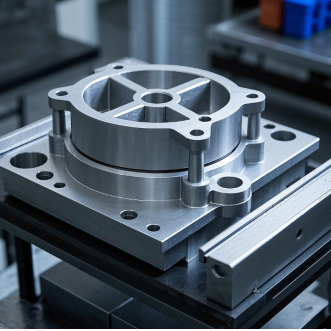
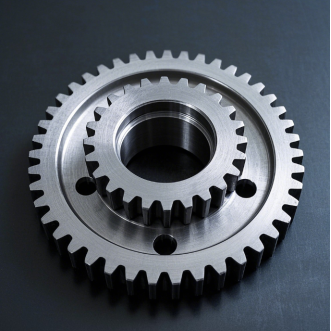
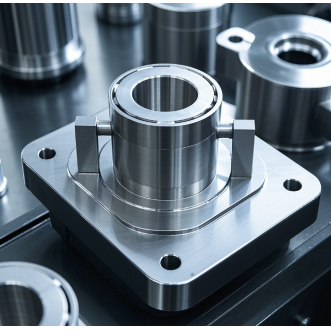
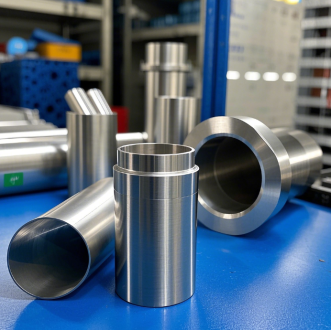
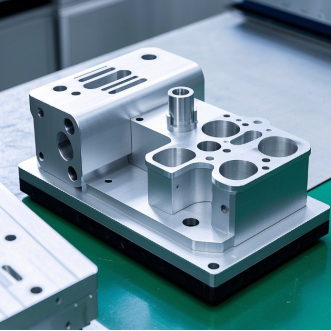
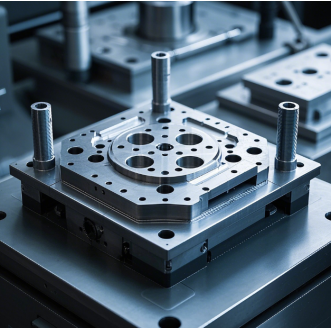
Small batch CNC machining parts are ideal for prototypes, product validation, custom equipment, and low-volume production. Unlike mass manufacturing, small batch machining focuses on flexibility, precision, and fast turnaround while keeping tooling costs low. Companies can produce anywhere from a few pieces to several hundred parts without investing in expensive molds.
What Are Small Batch CNC Machining Parts?
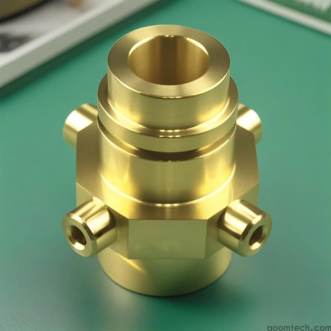
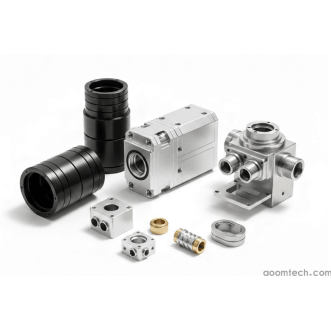
Small batch CNC machining refers to manufacturing a limited quantity of precision components using CNC milling, CNC turning, or multi-axis machining centers. Typical production volumes range from 1 to 1,000 parts, depending on the project.
Common applications include:
Product prototypes
Custom machine components
Medical equipment parts
Aerospace components
Automotive replacement parts
Robotics and automation equipment
Electronic enclosures
Industrial fixtures and jigs
This manufacturing method allows design modifications between batches without major production delays.
Advantages of Small Batch CNC Machining
Lower Initial Investment
Since CNC machining does not require molds or dies, businesses avoid high tooling costs. This makes it suitable for startups and product development.
High Precision
Modern CNC machines routinely achieve tolerances of ±0.01 mm, while tighter tolerances are possible for critical features after process optimization.
Faster Lead Times
Programming can begin immediately after receiving CAD files. Most small batch projects are completed within 3–10 working days, depending on complexity and material availability.
Flexible Design Changes
Engineering changes can be implemented by updating the CNC program rather than replacing expensive tooling.
Consistent Quality
Using identical machining programs, cutting parameters, and inspection procedures ensures every part maintains consistent dimensions throughout the batch.
Materials for Small Batch CNC Machining Parts
Manufacturers process a wide variety of engineering materials.
Aluminum
Popular grades include:
6061-T6
7075-T6
5052
2024
Advantages:
Lightweight
Excellent machinability
Good corrosion resistance
Low machining cost
Stainless Steel
Common grades:
304
316L
17-4 PH
303
Suitable for:
Medical devices
Food equipment
Marine applications
Industrial machinery
Carbon Steel
Frequently machined grades include:
1018
1045
4140
Ideal for structural and mechanical components requiring higher strength.
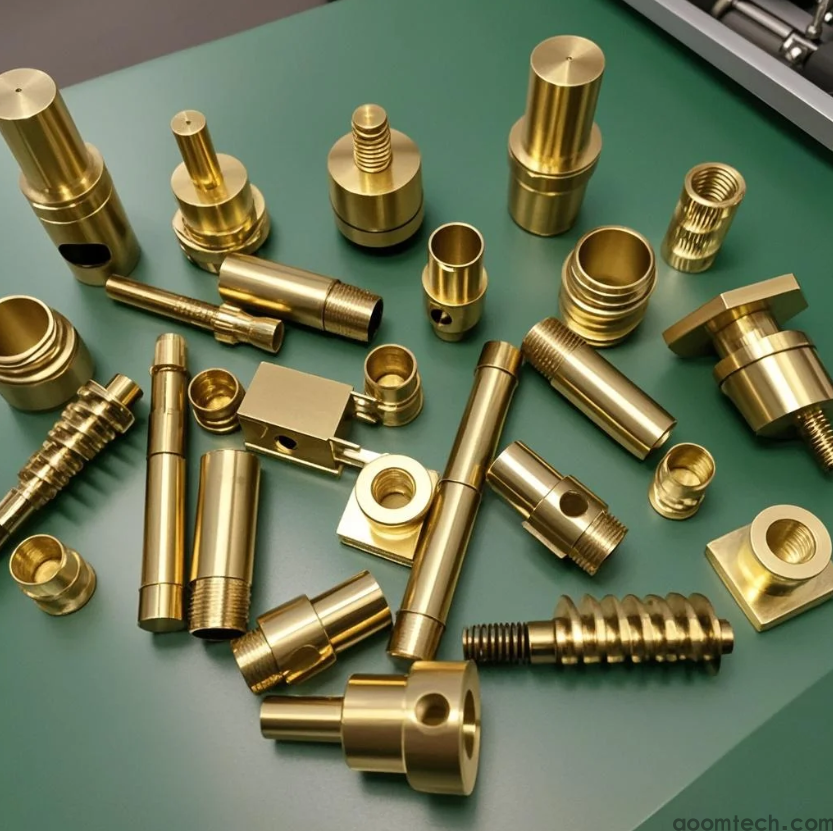
Brass and Copper
Used for:
Electrical connectors
Valve components
Heat sinks
Decorative hardware
Engineering Plastics
Popular options include:
POM (Delrin)
Nylon
PTFE
PEEK
ABS
UHMW-PE
These materials offer excellent wear resistance and electrical insulation.
CNC Processes Used for Small Batch Parts
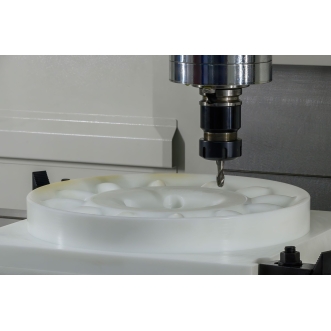
CNC Milling
Suitable for:
Flat surfaces
Complex cavities
Slots
Threads
Precision pockets
Three-axis, four-axis, and five-axis machines handle increasingly complex geometries.
CNC Turning
Best for cylindrical components such as:
Shafts
Bushings
Sleeves
Pins
Threaded parts
Multi-Axis Machining
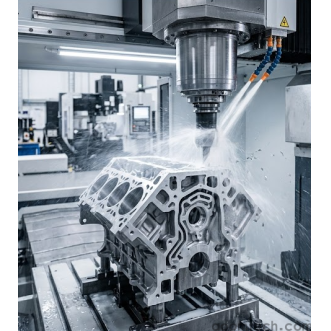
Five-axis machining reduces multiple setups while improving positional accuracy for complex components.
Industries That Use Small Batch CNC Machining
Small batch production serves many industries requiring precision and flexibility.
Aerospace
Structural brackets
Sensor housings
Prototype components
Medical
Surgical instruments
Diagnostic equipment parts
Implant prototypes
Automotive
Custom performance parts
Testing fixtures
Replacement components
Robotics
Robot arms
Mounting brackets
Motion control components
Industrial Automation
Custom machine parts
Tooling fixtures
Production equipment upgrades
Factors Affecting Small Batch CNC Machining Cost
Several variables influence pricing.
Material Selection
Harder materials require slower cutting speeds and increase tool wear, raising machining costs.
Part Complexity
Deep cavities, thin walls, intricate contours, and multiple setups require more machining time.
Tolerance Requirements
Very tight tolerances often require additional finishing passes and precision inspection.
Surface Finish
Additional processes such as anodizing, polishing, powder coating, bead blasting, or plating increase overall cost.
Order Quantity
Although tooling costs remain low, larger quantities reduce the unit price by distributing setup costs across more parts.
Quality Control for Small Batch CNC Parts
Reliable manufacturers implement strict quality inspection throughout production.
Inspection methods include:
First Article Inspection (FAI)
In-process dimensional inspection
Coordinate Measuring Machine (CMM) verification
Surface roughness testing
Material certification
Final visual inspection
Statistical process control helps maintain consistent quality across every production batch.
Tips for Reducing Small Batch CNC Machining Costs
To improve cost efficiency:
Design parts with standard tool sizes.
Avoid unnecessary tight tolerances.
Minimize deep pockets and thin walls.
Select materials with good machinability when possible.
Standardize thread sizes and hole dimensions.
Combine multiple features into fewer setups.
These practices reduce machining time while maintaining functional performance.
Choosing a Small Batch CNC Machining Supplier
When selecting a machining partner, consider:
Experience with low-volume production
Three-axis, four-axis, and five-axis machining capabilities
Material processing expertise
ISO-certified quality management system
CMM inspection capability
Fast engineering support
Stable delivery performance
Competitive pricing
Ability to scale from prototype to mass production
A supplier experienced in prototype and small-batch manufacturing can also provide valuable design-for-manufacturing (DFM) feedback to reduce costs and improve manufacturability.
Conclusion
Small batch CNC machining parts provide an efficient solution for prototypes, custom components, and low-volume production. With no tooling investment, excellent dimensional accuracy, rapid lead times, and broad material compatibility, CNC machining enables manufacturers to validate designs and supply precision parts quickly. Partnering with an experienced CNC machining supplier ensures consistent quality, shorter production cycles, and a smooth transition from prototype to full-scale manufacturing.
RELATED PRODUCTS
-
Medical Brass CNC Machining Parts
-
Precision CNC Machining PEEK Services
-
Precision Custom CNC Machined Car Parts
-
cnc machining optical housings
-
Precision CNC Casting Machining Services
-
Precision Gear CNC Machining Services
-
Precision Stainless Steel Parts CNC Mach
-
CNC Machining of Precision Aluminum Tube
-
CNC Machining of Large Precision Aluminu
-
CNC Machining & Manufacturing of Pre