Small Batch parts CNC Machining
Introduction to Small Batch Parts CNC Machining
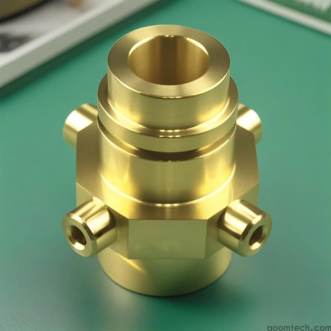
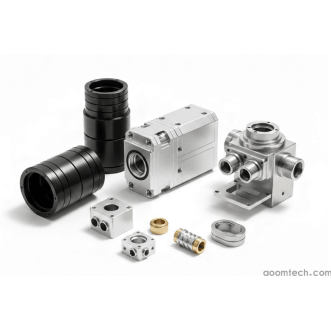
Small Batch Parts CNC Machining is a manufacturing method used to produce a limited number of highly precise parts using computer-controlled machines. It plays an important role in today’s production world because not every project needs mass production. Many industries need only a small quantity of parts, but those parts must be accurate, consistent, and reliable.
In simple terms, this approach helps companies make “just enough” parts without wasting time, materials, or cost. It is widely used in prototyping, product testing, and specialized production across industries such as automotive, aerospace, medical devices, and consumer electronics.
The Significance of Small Batch Parts CNC Machining
The significance of small batch parts CNC machining lies in its flexibility and precision. It bridges the gap between design ideas and full-scale manufacturing, especially when only limited quantities are required.
Prototyping and Product Development
Small batch CNC machining is essential for prototyping. Companies can quickly produce a small number of parts to test design, function, and assembly before investing in mass production.
For example, a startup developing a smart home device may use small batch CNC-machined parts to build prototypes. These prototypes help engineers test performance, identify design flaws, and improve the product before large-scale manufacturing begins.
Customization and Specialized Components
Many industries require custom-made parts in limited quantities. CNC machining makes this possible with high precision and repeatability.
For instance, a medical device manufacturer may need a small batch of custom components for a diagnostic machine. These parts must meet strict accuracy standards, and CNC machining ensures they are produced exactly as designed.
Process of Small Batch Parts CNC Machining
The process of small batch parts CNC machining involves several carefully controlled stages to ensure accuracy and efficiency.
Design and Programming
The process begins with CAD (Computer-Aided Design), where engineers create a 3D model of the part. After that, CAM (Computer-Aided Manufacturing) software converts the design into machine instructions.
Programmers define toolpaths, cutting speeds, feed rates, and machining depth. For complex small batch parts, programming can be challenging because each design may require unique tool movements and strategies.
Material Selection and Preparation
Choosing the right material is critical. Common materials include aluminum, stainless steel, titanium, and engineering plastics. Each material behaves differently during machining.
For example, harder materials like steel require stronger cutting tools and slower machining speeds, while plastics allow faster processing but need careful control to avoid melting or deformation.
Machine Setup and Tooling
Before machining begins, the CNC machine must be properly set up. This includes installing tools, calibrating the machine, and securing the material using fixtures.
In some cases, custom fixtures are needed for irregular-shaped parts to ensure stability and accuracy during machining.
Machining Operations
Milling
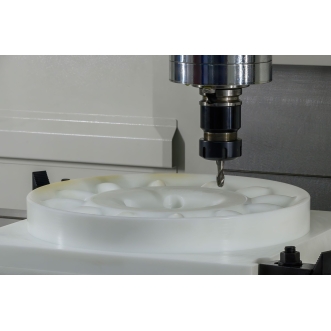
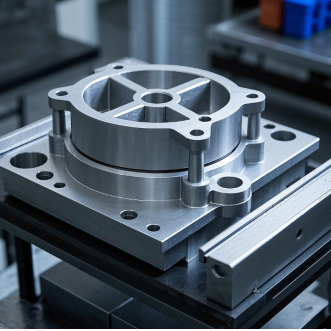
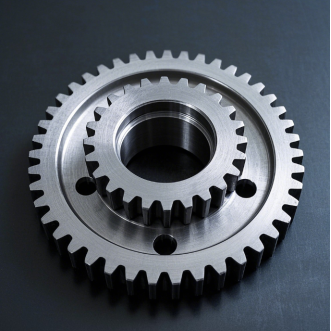
Milling is used to create flat surfaces, holes, grooves, and complex shapes. Tool selection and cutting speed must be adjusted based on material type and part geometry, especially for small batch production.
Turning
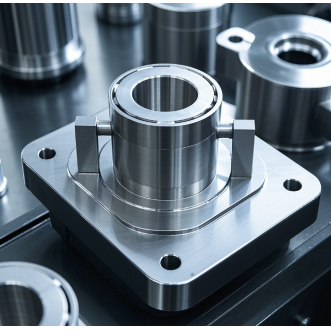
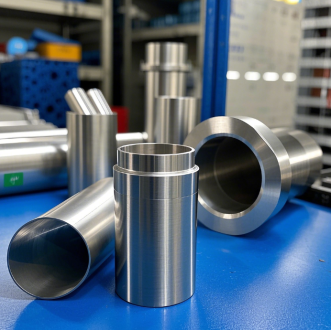
Turning is used for cylindrical parts. The material rotates while a cutting tool shapes it. Precision is critical in small batch production to maintain consistent dimensions across all parts.
Drilling
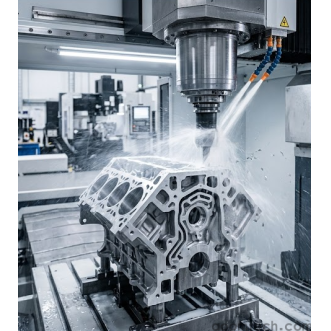
Drilling creates precise holes in components. Proper feed rate, tool selection, and coolant usage are essential to avoid defects and ensure accuracy.
Quality Control and Inspection
Each part in small batch production is inspected carefully using tools such as calipers, micrometers, and CMM (Coordinate Measuring Machines).
If any deviation is found, adjustments are made immediately to correct the machining process and ensure consistency across the batch.
Benefits of Small Batch Parts CNC Machining
The benefits of small batch parts CNC machining make it a preferred choice for many industries.
Cost-Effectiveness for Low-Volume Production
Unlike mass production, small batch CNC machining does not require expensive molds or tooling. This makes it cost-effective for limited production runs.
Quick Turnaround Time
Once programming is complete, production can start immediately. This allows companies to meet tight deadlines and respond quickly to market needs.
High Precision and Consistency
CNC machines follow programmed instructions with high accuracy, ensuring every part in the batch is identical. This is especially important in industries like aerospace and medical manufacturing.
Challenges in Small Batch Parts CNC Machining
Despite its advantages, there are also challenges in small batch parts CNC machining that manufacturers must manage carefully.
Setup Costs and Efficiency
Frequent setup changes between different small batches can reduce efficiency. Each change requires time for programming, tooling, and calibration.
Tool Wear and Management
Tool wear can affect quality over time. If tools are not replaced or maintained properly, dimensional accuracy and surface finish may decline.
Cost-Effective Material Procurement
Buying materials in small quantities is often more expensive. Suppliers usually offer better prices for bulk orders, making small batch sourcing more challenging.
Optimization of Small Batch Parts CNC Machining
The optimization of small batch parts CNC machining focuses on improving efficiency, reducing costs, and maintaining high quality.
Standardization of Processes
Standard operating procedures for programming, setup, and inspection help reduce errors and save time. This improves consistency across different small batch projects.
Tool and Material Optimization
Using the correct cutting tools and optimizing machining parameters improves tool life and product quality. Efficient material layout also helps reduce waste and cost.
Collaboration with Suppliers
Working closely with suppliers can improve material pricing, delivery speed, and quality consistency. Strong supplier relationships are especially valuable for regular small batch production.
Conclusion: Mastering Small Batch Parts CNC Machining
Small Batch Parts CNC Machining is a powerful manufacturing solution for producing precise, low-volume components efficiently. It plays a key role in prototyping, customization, and specialized production.
By understanding the significance, process, benefits, challenges, and optimization methods, manufacturers can improve productivity and reduce costs while maintaining high quality.
Whether you are a startup developing your first prototype or an established company producing specialized components, applying these principles can help you achieve better results in modern manufacturing.
RELATED PRODUCTS
-
Medical Brass CNC Machining Parts
-
Precision CNC Machining PEEK Services
-
Precision Custom CNC Machined Car Parts
-
cnc machining optical housings
-
Precision CNC Casting Machining Services
-
Precision Gear CNC Machining Services
-
Precision Stainless Steel Parts CNC Mach
-
CNC Machining of Precision Aluminum Tube
-
CNC Machining of Large Precision Aluminu
-
CNC Machining & Manufacturing of Pre