


How to Choose the Best Manufacturer for Mass CNC Machining
How to Choose the Best Manufacturer for Mass CNC Machining
Choosing the right partner for mass CNC machining is one of the most important decisions for any business that depends on precision parts. Whether you work in automotive, electronics, medical devices, or industrial equipment, your manufacturer directly affects product quality, production speed, and overall cost efficiency.
This guide explains How to Choose the Best Manufacturer for Mass CNC Machining in simple terms, helping you avoid common mistakes and make a confident decision. It also highlights practical factors in choosing mass CNC machining manufacturer and a clear selection process you can follow step by step.
Introduction to Choosing a Manufacturer for Mass CNC Machining
The Significance of Selecting the Right Manufacturer
A manufacturer is not just a supplier—they are a long-term production partner. In mass CNC machining, even small mistakes can lead to large losses because thousands of parts may be affected.
If you choose the wrong manufacturer, you may face issues such as:
Defective or inconsistent parts
Production delays that affect your entire supply chain
Unexpected cost increases due to rework or waste
For example, in the automotive industry, a small machining error in engine components can cause performance failure or safety risks. In electronics, poorly machined parts can lead to device malfunction and customer complaints.
That is why selecting the right partner is not optional—it is essential for maintaining stable production and customer satisfaction.
Factors to Consider When Choosing a Manufacturer for Mass CNC Machining
Experience and Expertise
Experience plays a major role in machining quality and reliability. A manufacturer with many years in CNC machining understands how to handle different materials, tolerances, and production challenges.
When evaluating experience, consider:
Years in CNC machining business
Types of industries served (automotive, aerospace, medical, etc.)
Complexity of parts they have produced
An experienced manufacturer is more likely to solve production problems quickly and avoid costly mistakes. This is especially important when working on high-precision or complex components.
Production Capacity
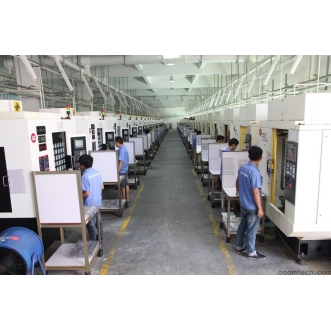
Mass production requires strong and stable capacity. A good manufacturer should have enough CNC machines, trained operators, and an organized workflow to handle large orders.
Key points to check include:
Monthly or yearly production capacity
Number and types of CNC machines
Ability to scale production when demand increases
If your business grows, your manufacturer should be able to grow with you without causing delays or quality issues.
Quality Control
Quality control is one of the most important factors in choosing mass CNC machining manufacturer. Without strict quality systems, even the best machines cannot guarantee consistent results.
A reliable manufacturer should have:
Incoming material inspection
In-process quality checks during machining
Final inspection using precision tools like CMM machines
Clear handling process for defective parts
Certifications like ISO 9001 are also a good sign that the company follows international quality standards. However, real inspection processes are more important than certificates alone.
Cost-Effectiveness
Cost is always important, but it should not be the only factor. The cheapest option is not always the best, especially in mass production where quality issues can become expensive later.
A good manufacturer provides a balance between price and quality. When comparing suppliers, consider:
Material costs
Machining and labor costs
Tooling and setup fees
Shipping and hidden costs
A smart approach to cost-effectiveness in mass CNC machining manufacturer selection is to request detailed quotations and compare total value, not just unit price.
Delivery Time and Lead Times
Fast and reliable delivery is essential for maintaining your production schedule. Delays in machining can affect your entire business chain.
When evaluating lead times, ask:
What is the average production time for similar orders?
Can they meet urgent deadlines?
How do they manage unexpected delays?
A trustworthy manufacturer provides realistic timelines instead of unrealistic promises.
Communication and Customer Service
Good communication is often overlooked but extremely important. Clear and fast communication helps prevent misunderstandings and production errors.
A strong manufacturer should offer:
Fast response to inquiries
Regular production updates
Technical support for design adjustments
A dedicated contact person or account manager
Good communication reduces risk and builds long-term cooperation.
Steps for Selecting a Mass CNC Machining Manufacturer
Research and Shortlisting
The first step is to identify potential manufacturers. You can use online searches, industry directories, and business referrals.
Shortlist companies based on:
Industry experience
Production capability
Types of materials and parts they handle
Request for Quotes and Information
After shortlisting, send detailed RFQs (Request for Quotation). Include drawings, materials, quantity, and quality requirements.
Compare not only prices but also:
Response speed
Technical understanding
Clarity of quotation details
This step is important in steps for selecting mass CNC machining firm because it reveals how professional the manufacturer is.
Factory Visits (If Possible)
If possible, visit the factory to see their production environment. This helps you confirm their real capacity and quality systems.
If a visit is not possible, request:
Virtual factory tours
Production videos
Machine lists and layout information
Check References and Reviews
Ask for customer references and check online reviews. Feedback from other clients gives insight into real performance, not just marketing claims.
Pay attention to how the manufacturer handles negative feedback, as it shows their problem-solving attitude.
Make a Final Decision
After gathering all information, compare manufacturers based on experience, capacity, quality, cost, delivery, and communication.
Choose the one that offers the best overall value, not just the lowest price. A strong long-term partnership is often more valuable than short-term savings.
Conclusion: Making an Informed Decision for Mass CNC Machining
Choosing the right CNC machining partner requires careful evaluation and planning. By understanding How to Choose the Best Manufacturer for Mass CNC Machining, you can reduce risks and improve production success.
Key takeaways include:
Experience ensures technical reliability
Production capacity supports scalability
Quality control ensures consistency
Cost-effectiveness balances price and value
Communication ensures smooth cooperation
Finally, always maintain a long-term perspective. A reliable manufacturer is not just a supplier but a strategic partner who supports your business growth over time.
 How to Ensure Precision in CNC
 Small Batch Precision CNC Mach
 What surface finish can CNC ma
 CNC Machining Tolerance Settin