


CNC Machining Process for Micro High-Precision Small Parts
,
/
,
, ,
/
,
. Do not include DOCTYPE, html, head, style, body, or div tags. 展开
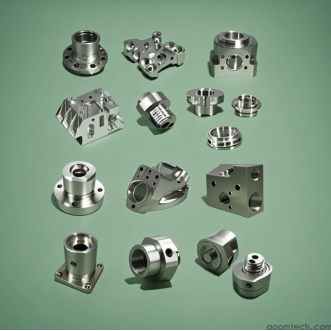
Metals: Brass, stainless steel, aluminum alloys, titanium alloys
Plastics: PEEK, POM, PTFE for lightweight or insulating parts
CNC Machining Process for Micro High - Precision Small Parts
Introduction: Why Micro Precision Machining Feels So Difficult
The CNC Machining Process for Micro High - Precision Small Parts is often much more challenging than standard CNC machining. Many engineers and manufacturers struggle at the very beginning: where to start, how to achieve micron-level accuracy, and how to avoid costly errors during production.
Common concerns include not knowing the correct steps in micro high - precision part machining, difficulty in controlling tolerances, and uncertainty about how to maintain stability during machining. Even a tiny vibration, tool wear, or temperature change can lead to part failure. This is why understanding the full process is essential before production begins.
1. Material Selection: The Foundation of Precision
In micro machining, material choice directly affects success. Stable and uniform materials help reduce deformation and improve accuracy.
When selecting materials, consider machinability, corrosion resistance, thermal stability, and how the part will be used. Poor material choice can make even the best CNC program fail.
2. Design and Programming: Precision Starts in CAD/CAM
A successful CNC machining sequence for micro high - precision components begins with extremely acc
 How to Ensure Precision in CNC
 Small Batch Precision CNC Mach
 What surface finish can CNC ma
 CNC Machining Tolerance Settin