
6 Tips for Selecting CNC Machining Manufacturers of Metal Parts
Choosing the right CNC machining partner is one of the most important decisions when producing metal components. Whether you are working in automotive, aerospace, electronics, or construction, the manufacturer you select directly affects product quality, cost, and delivery time. This guide explains the 6 Tips for Selecting CNC Machining Manufacturers of Metal Parts to help you make a confident and informed decision.
Introduction to Selecting CNC Machining Manufacturers of Metal Parts
Importance of Choosing the Right Manufacturer
Metal parts are widely used in critical industries such as automotive systems, aircraft structures, medical devices, and industrial machinery. If a manufacturer lacks precision or reliability, the consequences can be serious—delayed production, safety risks, and increased costs.
For example, in the automotive industry, poorly machined engine components can lead to assembly failures, forcing production shutdowns. In aerospace, even a small dimensional error in a structural part can compromise safety standards and delay certification.
That is why selecting a capable CNC machining partner is not just a purchasing decision—it is a strategic business choice.
Tip 1: Evaluate Manufacturing Capabilities
Equipment Range
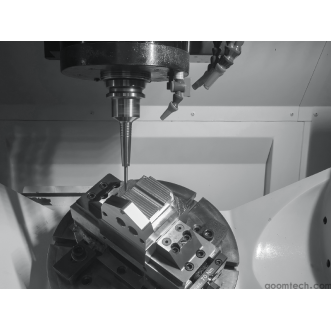
One of the most important steps in evaluating manufacturing capabilities in choosing CNC metal part manufacturers is reviewing their equipment. A reliable manufacturer should have modern CNC mills, CNC lathes, and preferably multi-axis machines such as 4-axis or 5-axis systems.
Complex components, especially in aerospace or precision engineering, often require 5-axis CNC machines to achieve tight tolerances and complex geometries. Always ask about:
Machine types and specifications
Equipment maintenance schedules
Technology upgrade frequency
Request sample parts to evaluate real machining capability.
Material Compatibility
Different metals behave differently during machining. Aluminum is easier to cut, while stainless steel requires more force and heat control. Titanium is even more challenging and demands specialized tools and techniques.
A qualified manufacturer must demonstrate experience with a wide range of materials, including:
Aluminum alloys
Stainless steel
Carbon steel
Titanium and specialty alloys
Poor material handling can lead to tool wear, dimensional errors, or surface defects.
Tip 2: Examine Technical Expertise
Skilled Workforce
The quality of CNC machining depends heavily on the technical skill of engineers and operators. Experienced professionals can optimize tool paths, adjust machining parameters, and solve unexpected production issues.
When evaluating a manufacturer, consider:
Engineering qualifications and certifications
Experience with similar projects
Problem-solving ability during production challenges
Industry Experience
A manufacturer with industry-specific experience understands your technical requirements better. For example, an automotive-focused supplier is familiar with high-volume consistency and strict tolerance standards, while an aerospace supplier understands certification requirements.
Ask for case studies or project references to verify real-world experience.
Tip 3: Review Quality Assurance Measures
Quality Management System
A strong quality system is essential when applying quality assurance tips for selecting CNC machining of metal parts. Reliable manufacturers typically follow ISO 9001 or similar standards.
Key elements include:
In-process inspections during machining
Final dimensional inspections
Use of precision tools such as CMMs, micrometers, and calipers
Non-conforming parts should be clearly documented and corrected through structured processes.
Material and Part Testing
High-quality manufacturers test both raw materials and finished parts. Material testing may include hardness testing and chemical composition analysis, while finished parts may undergo fatigue or load testing depending on application.
These procedures ensure consistency, safety, and long-term performance.
Tip 4: Consider Cost-Effectiveness
Competitive Pricing
When evaluating cost-effectiveness in choosing CNC metal part manufacturers, it is important to balance price with quality. The lowest price is not always the best option if it leads to poor precision or delayed delivery.
A reliable manufacturer provides transparent cost breakdowns, including:
Material costs
Machining time and labor
Surface finishing and post-processing
Cost-Saving Suggestions
Experienced manufacturers often help reduce costs by suggesting design improvements. These may include simplifying geometries, using standard tool sizes, or adjusting tolerances where possible.
Such recommendations can significantly reduce machining time and material waste without affecting functionality.
Tip 5: Assess Customer Service and Communication
Responsiveness
Good communication is essential for successful collaboration. A professional manufacturer responds quickly to inquiries and provides regular updates during production.
Expect:
Fast email or message responses
Clear project timelines
Regular production updates
Flexibility
Production requirements often change. A reliable CNC partner should be able to adjust order quantities, modify designs, or adapt delivery schedules without major disruptions.
This flexibility is especially important for prototype development and fast-moving industries.
Tip 6: Check Reputation and References
Online Reputation
Before finalizing a manufacturer, research their online presence. Reviews, forums, and industry directories can provide useful insights into reliability and quality consistency.
Look for patterns in feedback rather than isolated comments to get a balanced understanding.
References and Testimonials
Speaking directly with previous clients is one of the most reliable ways to evaluate performance. Ask about:
Product quality and accuracy
Delivery punctuality
Communication and service experience
These insights help validate the manufacturer’s claims and build confidence in your decision.
Conclusion
The process of selecting a CNC machining partner should be systematic and well-informed. By following the 6 Tips for Selecting CNC Machining Manufacturers of Metal Parts, you can reduce risks, improve product quality, and optimize production costs.
In summary, success depends on carefully balancing technical capability, quality assurance, communication, and overall value. Taking time to evaluate suppliers properly will lead to stronger long-term manufacturing partnerships and better project outcomes.
 Process of Custom High-Precisi
 CNC Machining Parameter Settin
 5 Key Tips for CNC Machining o
 Small-batch Precision Parts 5-