


How to Choose a Reliable CNC Machining Factory
Introduction to Choosing a Reliable CNC Machining Factory
In modern manufacturing, CNC machining plays a key role in producing precise metal and plastic parts used in industries such as automotive, aerospace, electronics, medical devices, and robotics. However, the final product quality depends heavily on the factory you choose. That is why understanding How to Choose a Reliable CNC Machining Factory is essential for any business or engineer.
A reliable CNC machining factory helps ensure high-quality parts, stable production schedules, and reasonable costs. On the other hand, choosing the wrong supplier can lead to serious problems. For example, defective components may cause product failure or even safety risks in critical industries like aerospace. In automotive production, poor-quality parts can result in costly recalls. Delays in delivery can also stop entire production lines, leading to financial losses and damaged business reputation.
Evaluating Factory Capabilities
Equipment and Technology
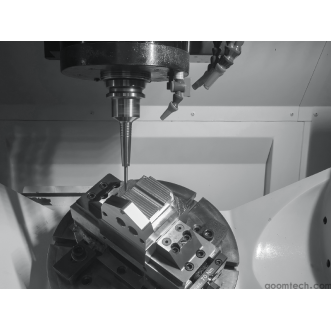
One of the most important steps in evaluating equipment in choosing a CNC machining factory is checking the factory’s machines and technology level. A reliable factory should have a wide range of modern CNC equipment, including CNC milling machines, CNC lathes, and multi-axis machines such as 4-axis and 5-axis systems.
For example, a 5-axis CNC machine can produce highly complex geometries with fewer setups, improving both accuracy and efficiency compared to a standard 3-axis machine. This is especially important for aerospace and precision engineering parts.
When evaluating a factory, consider asking the following questions:
How old are the CNC machines?
What maintenance schedule is followed?
Have there been recent machine upgrades?
What CAD/CAM software is used for programming?
You can also request sample parts or machine specifications to better understand production capability. A strong factory will always be transparent about its equipment and technical capacity.
Technical Expertise of Staff
Even the best machines cannot guarantee quality without skilled operators and engineers. The technical expertise of staff is a key factor in How to Choose a Reliable CNC Machining Factory.
Experienced engineers understand how to adjust machining parameters based on different materials such as aluminum, stainless steel, titanium, or brass. They also know how to optimize cutting speed, tool selection, and cooling methods to improve precision and reduce tool wear.
To evaluate staff capability, you can:
Check engineering qualifications and certifications
Review years of industry experience
Ask about complex project case studies
Evaluate problem-solving ability in technical discussions
A skilled team is often the difference between average quality and high-precision CNC parts.
Quality Assurance in the Factory
Quality Management System
A strong quality system is essential for consistent production. This is one of the most important quality assurance tips for selecting a reliable CNC factory. A professional factory should have strict inspection processes at every stage of production, including in-process inspection and final inspection.
Common tools used for quality control include calipers, micrometers, height gauges, and Coordinate Measuring Machines (CMM). These tools ensure that every part meets exact tolerances.
Key elements of a strong quality system include:
ISO 9001 or similar certifications
Standard inspection procedures and checklists
In-process quality control at each production step
Clear handling process for non-conforming parts
A well-organized quality system reduces errors and ensures consistency across large production batches.
Material Quality Control
Material selection directly affects the strength, durability, and performance of CNC machined parts. A reliable factory must ensure that all raw materials meet strict mechanical and chemical standards.
For example, in aerospace applications, materials must follow strict industry certifications to ensure safety under extreme conditions. In electronics, materials must offer stable conductivity and thermal performance.
Good material control practices include:
Careful selection of trusted suppliers
Incoming material inspection and testing
Material certification and traceability records
Testing methods such as tensile strength and chemical composition analysis
Without proper material control, even the most advanced machining processes cannot guarantee reliable results.
Cost-Effectiveness and Pricing
Competitive Pricing
When learning How to Choose a Reliable CNC Machining Factory, cost is always an important factor. However, it should never be the only consideration. The cheapest option is not always the best, especially when quality and reliability are critical.
A trustworthy factory provides clear and transparent pricing, including:
Material costs
Machining costs
Surface finishing costs
Additional processing or packaging fees
It is recommended to compare multiple quotations. However, instead of focusing only on price, evaluate the overall value, including quality, delivery time, and service stability.
Cost-saving Suggestions
A professional CNC factory does more than just manufacture parts. It also helps customers reduce production costs. This is an important part of cost-related factors in choosing a CNC machining factory.
For example, experienced engineers may suggest design improvements such as:
Simplifying complex shapes to reduce machining time
Using standard tool sizes instead of custom tools
Changing non-critical materials to more cost-effective alternatives
Reducing unnecessary tight tolerances where possible
These suggestions can significantly reduce manufacturing costs while maintaining functional performance.
Customer Service and Communication
Responsiveness
Good communication is essential in any manufacturing project. A reliable CNC machining factory should respond quickly to inquiries and provide clear technical answers.
Strong communication practices include:
Fast email or message responses
Regular production updates
Clear explanations of technical issues
Dedicated customer support representatives
Good communication helps prevent misunderstandings and ensures that the final product meets expectations.
Flexibility
Production requirements often change during a project. A reliable factory should be flexible enough to handle changes in design, quantity, or delivery schedule.
For example, if a customer suddenly needs faster delivery due to market demand, a flexible factory can adjust production planning to meet the deadline.
Flexibility is a strong indicator of a customer-focused manufacturing partner.
Reputation and References
Industry Reputation
A factory’s reputation is one of the most reliable indicators of quality. When researching How to Choose a Reliable CNC Machining Factory, always check online reviews, industry forums, and professional recommendations.
However, it is important to evaluate feedback carefully. Look for consistent patterns in reviews rather than relying on a single opinion. Both positive and negative reviews can provide valuable insights into factory performance.
References and Case Studies
Requesting references is one of the most effective ways to verify a factory’s reliability. Speaking directly with previous customers gives real-world insight into quality, delivery time, and service experience.
Useful questions to ask references include:
Were the parts delivered on time?
Did the quality meet expectations?
How was communication during the project?
How did the factory handle problems or changes?
Case studies are also valuable because they show how the factory handles different types of projects and technical challenges.
Conclusion
Choosing the right manufacturing partner is a critical decision that directly affects product quality, cost, and business success. By carefully evaluating equipment, staff expertise, quality systems, pricing, communication, and reputation, you can confidently understand How to Choose a Reliable CNC Machining Factory.
A reliable CNC partner is not just a supplier—it is a long-term partner that supports your product development and business growth. Taking time to evaluate each factor carefully will help you avoid costly mistakes and ensure successful manufacturing outcomes.
 Process of Custom High-Precisi
 CNC Machining Parameter Settin
 5 Key Tips for CNC Machining o
 Small-batch Precision Parts 5-