


What parts can CNC machining produce
What Parts Can CNC Machining Produce? A Complete Guide for Industries and Applications
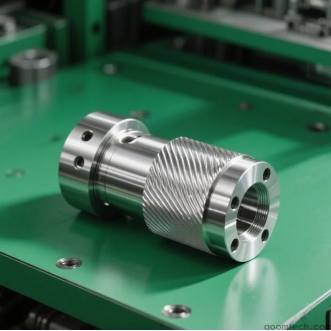
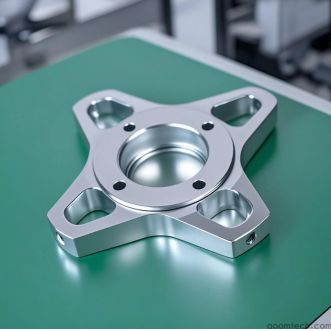
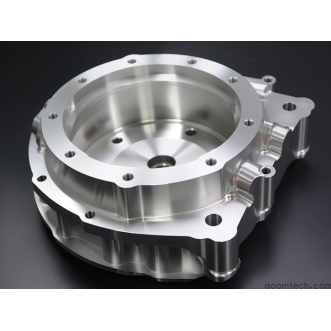
CNC (Computer Numerical Control) machining is one of the most important modern manufacturing methods used today. It allows engineers and manufacturers to create highly accurate and repeatable parts from many different materials such as metal, plastic, and composite materials.
Understanding What parts can CNC machining produce is essential for product designers, engineers, and manufacturers who want to choose the right production method. CNC machining is widely used because it improves quality, reduces human error, and supports both simple and highly complex part designs.
The Versatility of CNC Machining in Part Production
CNC machining has changed how industries produce mechanical and functional parts. Instead of manual work, computer-controlled machines follow precise digital designs to cut, shape, and finish materials.
This technology is important because it allows the production of parts with tight tolerances, complex geometries, and consistent quality. From small electronic components to large aerospace structures, CNC machining supports a very wide range of applications.
Types of Parts Produced by CNC Machining in Different Industries
Aerospace Industry
The aerospace industry depends heavily on high-precision components. CNC machining is used to produce critical parts such as:
Turbine blades
Compressor disks
Engine casings
Structural aircraft components
These CNC-machined parts in aerospace must withstand extreme conditions like high temperature, pressure, and vibration. CNC machining ensures lightweight designs while maintaining strength and accuracy. This is essential for flight safety and fuel efficiency.
Automotive Industry
In the automotive sector, CNC machining is widely used for engine and mechanical systems. Common parts include:
Engine blocks
Cylinder heads
Transmission parts
Suspension components
CNC machining improves vehicle performance by ensuring precise fitting of components. This leads to better fuel efficiency, smoother operation, and increased durability.
Medical Industry
The medical field requires extremely precise and safe components. CNC machining is used to produce:
Surgical instruments
Hip and knee implants
Dental components
Diagnostic device parts
These parts must be biocompatible, sterilizable, and highly accurate. CNC machining provides the surface finish and precision needed for safe medical use.
Electronics Industry
CNC machining also plays a key role in electronics manufacturing. It is used to produce:
Heat sinks
Connectors
Enclosures and housings
PCB-related components
These parts require small-scale precision. CNC machining supports miniaturization and helps manage heat in compact electronic devices, improving performance and reliability.
General Machinery Industry
In general manufacturing, CNC machining produces essential mechanical components such as:
Gears
Shafts
Brackets
Machine housings
These components are the foundation of industrial machines. CNC machining ensures they are strong, accurate, and durable for long-term use.
Advantages of CNC Machining for Producing Different Parts
High Precision
One of the main advantages of CNC for part production is its ability to achieve extremely high precision. CNC machines follow digital instructions, ensuring every part matches exact specifications. This is critical for assemblies where parts must fit together perfectly.
Complex Geometries
CNC machining can produce highly complex shapes that are difficult or impossible with traditional methods. Examples include turbine blades, impellers, and custom fixtures. This flexibility allows engineers to design more innovative products.
Repeatability
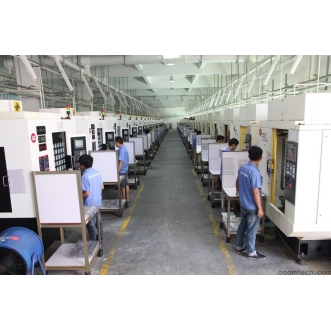
Once a CNC program is created, it can produce identical parts repeatedly. This ensures consistent quality in mass production and reduces manufacturing errors. Repeatability is one of the main reasons industries rely on CNC machining.
Specific Examples of Parts and Their Applications
Turbine Blades in Power Generation
Turbine blades are essential in power plants where they convert fluid energy into mechanical energy. CNC machining produces blades with precise airfoil shapes, improving efficiency and performance. Materials such as titanium and nickel alloys are commonly used due to their heat resistance.
Custom-Designed Fixtures in Manufacturing
Fixtures are used to hold workpieces during machining or assembly. CNC machining allows the creation of custom fixtures tailored to specific production needs. This improves accuracy and reduces production time in manufacturing lines.
Micro-Fluidic Channels in Medical Diagnostics
Micro-fluidic channels control small volumes of liquid for medical testing and diagnostics. CNC machining can create extremely precise channels with smooth internal surfaces, which is essential for accurate medical results and efficient fluid movement.
Considerations When Choosing CNC Machining for Part Production
Part Complexity
When deciding considerations for CNC part production, complexity is important. CNC machining is ideal for complex parts, but simpler designs may be more cost-effective using other methods like casting or stamping.
Production Volume
CNC machining is cost-effective for low to medium production runs and highly consistent for large batches. However, for extremely high-volume production, tooling costs and machining time should be evaluated carefully.
Material Compatibility
CNC machines can work with many materials, including aluminum, steel, titanium, and plastics. However, each material requires specific tools and cutting settings. Proper selection ensures better quality and longer tool life.
Conclusion: The Wide-Ranging Capabilities of CNC Machining in Part Production
CNC machining is a powerful and flexible manufacturing process capable of producing a wide variety of parts across industries such as aerospace, automotive, medical, electronics, and general machinery.
From turbine blades and engine components to medical implants and electronic housings, CNC machining supports both simple and highly complex designs with excellent accuracy and repeatability.
To summarize, understanding What parts can CNC machining produce helps businesses choose the right manufacturing method based on performance needs, cost, and production scale. When evaluating CNC machining, it is important to consider material choice, part complexity, and production volume to achieve the best results.
With proper planning and an experienced manufacturing partner, CNC machining can deliver high-quality parts that meet modern industrial demands efficiently and reliably.
 How to Ensure Precision in CNC
 Small Batch Precision CNC Mach
 What surface finish can CNC ma
 CNC Machining Tolerance Settin