


Which supplier offers the best CNC machining service?
Which Supplier Offers the Best CNC Machining Service?
Choosing the right CNC machining service supplier is one of the most important decisions for manufacturers, engineers, and procurement teams. The question “Which supplier offers the best CNC machining service?” does not have a single universal answer. The best supplier depends on your project needs, such as material type, part complexity, budget, and delivery time.
This article explains how to evaluate suppliers step by step. It also covers key selection factors, different supplier types, common challenges, and how to make a final decision. The goal is to help you find the most suitable partner for long-term success.
Introduction to Evaluating CNC Machining Service Suppliers
The Importance of Choosing the Right Supplier
Selecting the right CNC machining service supplier is critical for business success. A reliable supplier ensures high-quality parts, stable production, and on-time delivery. These factors directly affect product performance and customer satisfaction.
On the other hand, a poor supplier choice can lead to serious problems. These may include low-quality components, production delays, communication issues, and unexpected cost increases. In industries like aerospace, automotive, and medical devices, even small mistakes can cause major risks.
Understanding how to evaluate suppliers helps businesses reduce risks and improve efficiency. This knowledge is essential for manufacturers, engineers, and procurement professionals who aim to achieve both quality and cost control.
Factors for Choosing CNC Machining Supplier
Experience and Expertise
Experience is one of the strongest indicators of a supplier’s capability. A supplier with many years in CNC machining is more likely to handle complex challenges successfully.
When evaluating experience, consider:
Years in CNC machining business
Industries served (aerospace, automotive, medical, electronics)
Ability to produce simple and complex parts
Knowledge of different materials such as aluminum, steel, titanium, and plastics
Ask for case studies or project examples. A strong supplier should be able to show real-world experience and provide references from past clients. This helps verify their expertise and reliability.
Equipment and Technology
Modern CNC machining requires advanced equipment. Suppliers with updated machines can deliver higher precision and better efficiency.
Key technologies to look for include:
3-axis, 4-axis, and 5-axis CNC machines
High-speed spindles for better surface finish
Automated tool-changing systems
Advanced CAD/CAM software for accurate programming
Advanced equipment allows suppliers to produce complex shapes with tight tolerances. It also reduces production time and improves consistency across large batches.
Quality Control Measures
Strong quality control is essential in CNC machining. A reliable supplier should have strict inspection systems at every production stage.
Important quality control tools and systems include:
In-process inspection tools (calipers, micrometers)
Surface roughness testers
Coordinate Measuring Machines (CMM)
ISO 9001 or similar quality certifications
To evaluate quality control, ask suppliers for inspection reports and quality procedures. A transparent supplier will clearly explain how they maintain consistent product quality.
Cost-effectiveness
Cost is important, but it should not be the only factor. The cheapest supplier is not always the best choice.
A good cost-effective supplier balances price and quality. When comparing quotes, consider:
Material costs
Machining and labor costs
Tooling and setup fees
Shipping and hidden charges
To achieve the best value, request detailed quotations from multiple suppliers. This helps you compare pricing fairly and avoid unexpected costs.
Customer Service and Communication
Good communication is often overlooked but extremely important. A responsive supplier helps avoid misunderstandings and production errors.
Strong customer service includes:
Fast response to inquiries
Clear and regular project updates
Willingness to solve problems quickly
Flexibility for design changes or urgent orders
Suppliers with strong communication skills are easier to work with and reduce project risks.
Different Types of CNC Machining Service Suppliers and Their Specialties
Large-scale Manufacturers
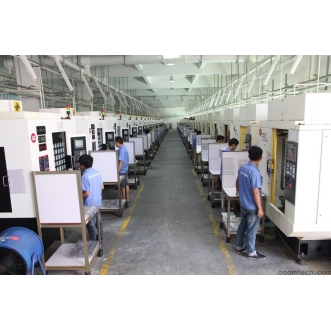
Large CNC machining suppliers have extensive equipment and workforce capacity. They are ideal for high-volume production.
These suppliers focus on:
Mass production of standard parts
Consistent quality across large batches
High efficiency and automation
They are commonly used in industries such as automotive manufacturing, industrial equipment, and consumer electronics.
Specialty Suppliers
Specialty suppliers focus on specific industries or technical requirements. They are ideal for complex and high-precision parts.
Examples include:
Aerospace components requiring extreme precision
Medical device parts with strict tolerances
Custom engineering prototypes
These suppliers often invest in advanced tools and highly skilled engineers to meet niche requirements.
Local Suppliers
Local suppliers offer convenience and faster communication. They are often suitable for small to medium-sized projects.
Advantages include:
Shorter delivery times
Easier communication in the same time zone
Lower shipping costs
Better flexibility for urgent orders
Benefits of Choosing the Best CNC Machining Supplier
High-quality Parts
The right supplier ensures precise and durable components. High-quality machining improves product reliability and reduces failure rates in final applications.
For example, in aerospace or automotive systems, precise parts improve safety and performance significantly.
Timely Delivery
A professional supplier follows strict production schedules. This helps customers avoid delays and maintain smooth production workflows.
Timely delivery is especially important for industries with tight production cycles.
Cost Savings
Although top suppliers may not always offer the lowest price, they often provide better long-term value. Efficient production methods and reduced waste lead to overall savings.
For example, optimized machining processes and bulk material sourcing can significantly reduce total project cost over time.
Challenges in Selecting the Best CNC Machining Service Supplier
Evaluating Hidden Costs
Some suppliers may not clearly show all costs. Hidden charges may include tooling fees, setup costs, or expedited shipping fees.
To avoid surprises, always request a full cost breakdown before confirming orders.
Comparing Apples to Apples
Different suppliers may provide quotes in different formats. This makes comparison difficult.
To solve this issue, request standardized quotations with clear specifications. You can also create a scoring system to evaluate quality, cost, delivery, and service.
Verifying Claims
Some suppliers may exaggerate their capabilities. Verifying claims is important before making decisions.
Useful methods include:
Checking customer references
Requesting product samples
Visiting the factory or conducting video tours
How to Make a Final Decision on the Best CNC Machining Service Supplier
Create a Shortlist
Start by selecting suppliers that meet your basic requirements. Narrow your list to a few strong candidates based on experience, quality, and cost.
Request Samples and Quotes
Samples allow you to evaluate real product quality. Compare dimensions, surface finish, and material accuracy.
Detailed quotes help you understand total cost and value differences between suppliers.
Conduct Site Visits or Video Calls
Seeing a supplier’s facility helps you understand their capabilities. Check equipment condition, workflow organization, and staff professionalism.
Consider Long-term Relationship Potential
The best supplier is not just a vendor but a long-term partner. Look for suppliers willing to grow with your business and adapt to future needs.
Conclusion: Finding the Best CNC Machining Service Supplier
So, which supplier offers the best CNC machining service? The answer depends on your specific requirements. The best supplier is the one that balances quality, cost, delivery speed, and communication effectively.
When applying the factors for choosing CNC machining supplier, always evaluate experience, technology, quality systems, and customer support. Do not focus only on price.
The main benefits of best CNC machining supplier include high-quality parts, reliable delivery, and long-term cost savings. However, careful evaluation is necessary to avoid risks such as hidden costs or unverified claims.
In the end, successful decision-making for CNC machining supplier requires structured comparison, testing samples, and building trust through communication. A well-chosen supplier can become a valuable long-term partner in your manufacturing success.
 How to Ensure Precision in CNC
 Small Batch Precision CNC Mach
 What surface finish can CNC ma
 CNC Machining Tolerance Settin