


A Practical Guide to Small Batch CNC Machining: Cost, Process & Tips
Hey there, fellow engineers and procurement pros! ? Ever been stuck in a situation where you need just 50 or 100 high-quality parts, but every machine shop you contact either has sky-high prices or flat-out refuses such a "small" order? You're not alone. Finding a reliable partner for small batch CNC machining can feel like a real headache. This guide is here to clear the air and answer that core question: How can you efficiently and cost-effectively navigate small batch custom machining?
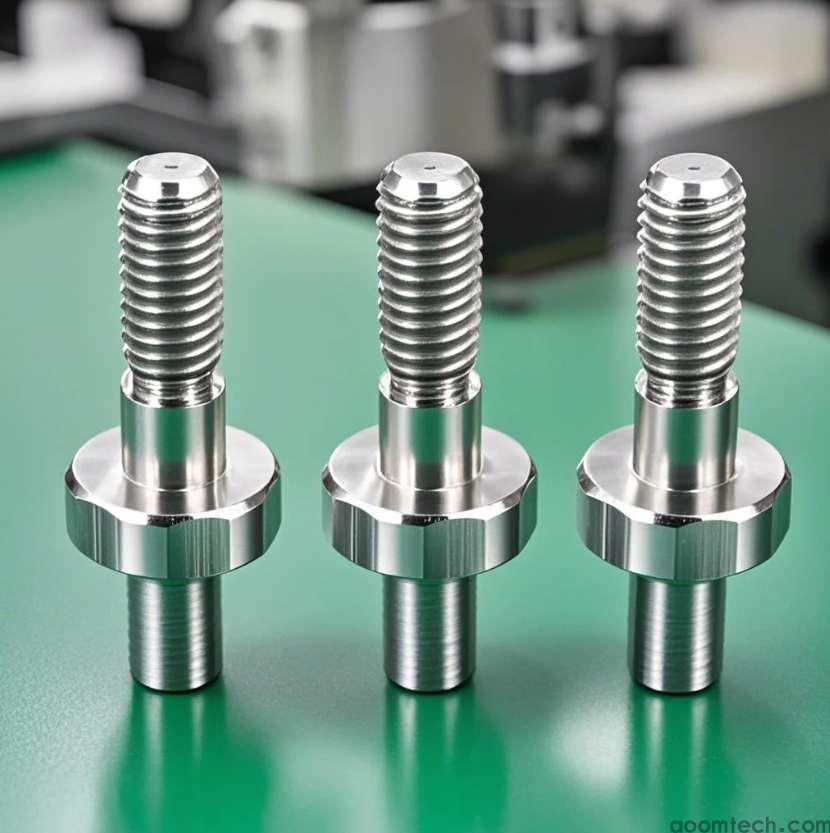
? What Exactly is "Small Batch" in CNC Machining?
First things first, let's define our terms. In the world of CNC product processing and customization, a "small batch" isn't a fixed number. For some shops, it's 10 pieces; for others, it might be 500. Generally, it refers to production runs that are too small for mass production lines but too complex for simple hand tools. It's that sweet spot for prototypes, bridge production, or limited-edition products. The key here is flexibility without completely breaking the bank.
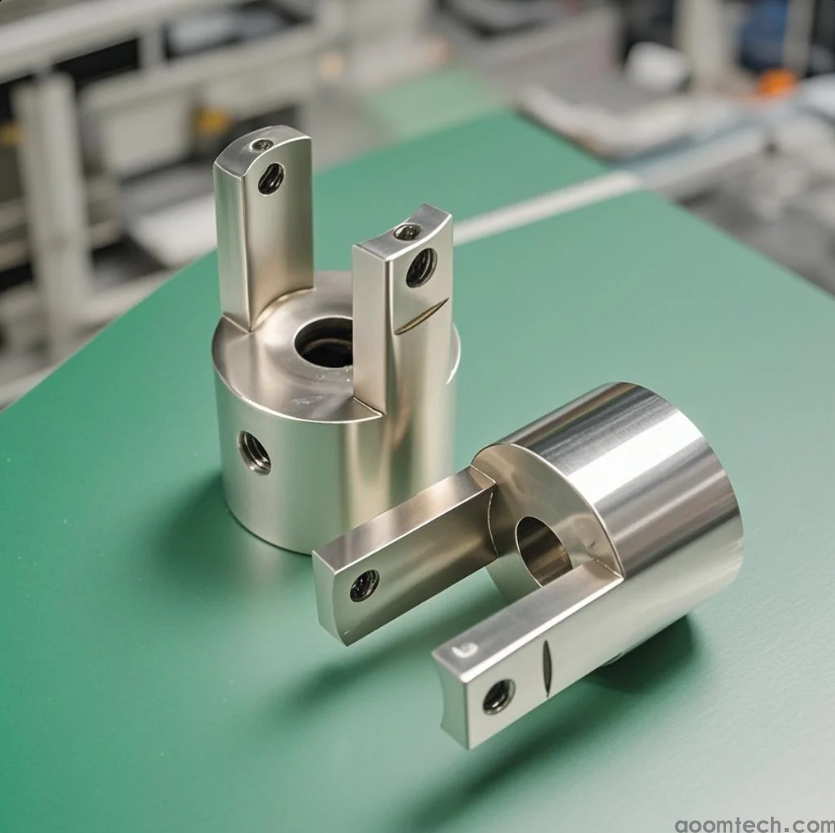
? The Big Question: How Much Does Small Batch CNC Machining Cost?
Let's tackle the elephant in the room. Cost isn't just about the raw material. For small batches, the setup time and programming are significant factors. Here's a quick breakdown:
1. Setup and Programming Costs: This is a one-time fee. The machine needs to be set up, and tools need to be programmed. This cost is spread across all your parts, so the per-part price drops significantly with higher quantities... but for small batches, it's a major part of the quote.
2. Material Costs: Pretty straightforward. Aluminum is common and relatively affordable, while metals like titanium or specialized plastics will cost more.
3. Machining Time: How long will the machine run to make all your parts? Complex designs take longer.
4. Secondary Operations: Do you need anodizing, painting, or other surface finishing? That's extra.
So, is small batch machining always expensive? Not necessarily. While the per-part cost is higher than in mass production, the total project cost is often much lower, which is a huge advantage for testing a market or developing a product. This approach might suggest that it's the most budget-friendly path for getting a physical product in your hands quickly.
? The Step-by-Step Process You Can Expect
Wondering how it all goes down? Here's a typical flow for custom CNC parts in small quantities:
Step 1: Design & Quote: You send your CAD file (like a .STEP or .IGES). A good shop will review it for manufacturability and send you a detailed quote. This is where design for manufacturability (DFM) feedback is golden—it can save you money!
Step 2: Programming & Setup: Once you approve, a programmer creates the toolpaths for the CNC machines. This is the behind-the-scenes magic.
Step 3: Production & Quality Checks: The machines do their work. A reputable shop will have in-process checks to ensure everything is coming out as specified.
Step 4: Final Inspection & Delivery: Parts are measured against your drawing, often with tools like calipers or CMMs, then carefully packaged and shipped to you.
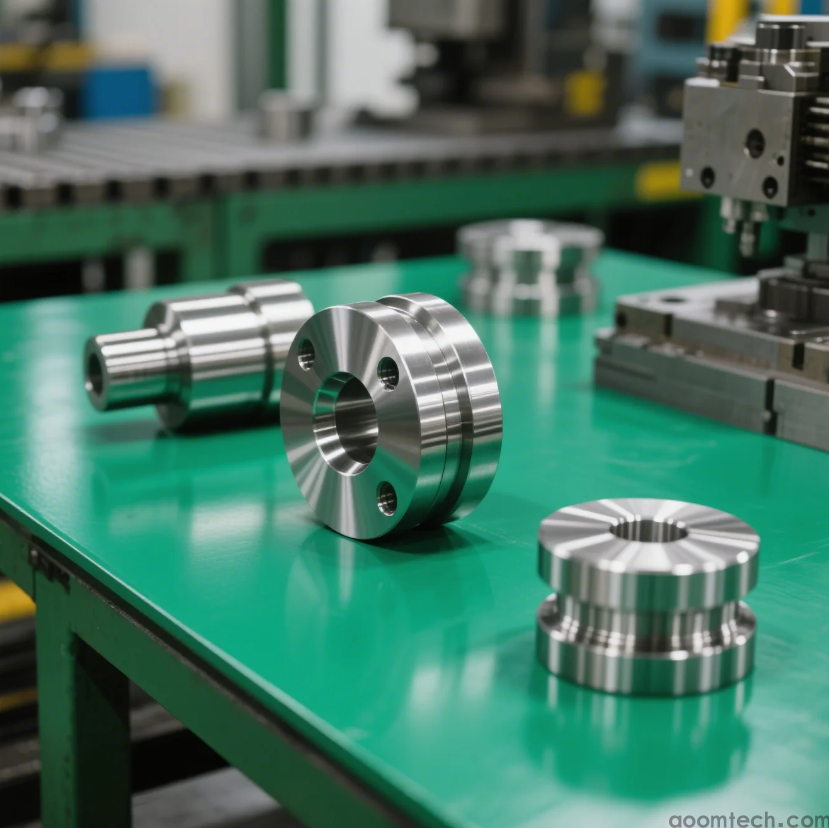
? Pro Tips for a Smoother Small Batch Experience
Based on my own dealings with various shops, here are some insights to make your next small batch order a success:
Tip 1: Communicate Your Final Goal. Tell your supplier if these are prototypes for form/fit testing, or final parts for a critical application. This helps them advise on the right tolerances and material selection.
Tip 2: Be Flexible on Materials. Sometimes, a shop might have a remnant piece of material that's perfect for your job, saving you money. It doesn't hurt to ask!
Tip 3: Simplify Your Design. Every complex pocket, tight tolerance, and undercut adds cost. If a simpler design works, go for it. I've found that the specific mechanism behind cost drivers isn't always obvious to designers, so asking for a DFM review is crucial.
Tip 4: Build a Relationship. Finding a machine shop that gets you and your quality standards is worth its weight in gold. Stick with them, and you'll often get better service and priority.
Tip 5: Plan for the "What Ifs." Always order a few extra parts. It's cheaper than placing a whole new micro-order later if some get damaged during assembly or testing.
One thing I'm still figuring out is the absolute best way to compare quotes from different vendors beyond just the bottom-line price—their inspection protocols and quality culture can be hard to quantify. Anyway, the landscape for small batch CNC services is getting better, with more shops specializing in this niche. The key is clear communication and a bit of strategic planning. Hope this helps you on your next project! ?
 Small Batch Precision Parts CN
How to Ensure Precision in CNC
How to Calculate CNC Machining
How is the price calculated fo
Small Batch Precision Parts CN
How to Ensure Precision in CNC
How to Calculate CNC Machining
How is the price calculated fo