


CNC Machining Aluminum Plates: 5 Advanced Techniques for Precision
Introduction to Precision CNC Machining Services for High-Quality Custom Parts
In modern manufacturing, Precision CNC Machining Services for High-Quality Custom Parts play an important role in producing parts that are accurate, reliable, and ready for real-world use. CNC (Computer Numerical Control) machining uses computer-controlled machines to cut, shape, and finish materials like metal and plastic with very high accuracy.
The significance of precision in custom part machining is not only about meeting exact measurements. It is also about ensuring that each part performs correctly, fits perfectly with other components, and meets both functional and design requirements. High precision increases product quality, safety, and long-term value across industries such as aerospace, automotive, and medical devices.
Importance of Precision in CNC Machining for Custom Parts
Enhanced Functionality
Precision machining allows parts to work better in demanding environments. For example, in the aerospace industry, turbine blades must be manufactured with extremely tight tolerances. This ensures smooth airflow, reduced vibration, and improved engine efficiency. In the medical industry, precision is equally important. A surgical instrument or implant must be accurate to ensure patient safety and successful treatment outcomes.
Optimal Fit and Assembly
Custom parts must fit together perfectly during assembly. Even small errors can cause leaks, vibrations, or system failure. In the automotive industry, engine components such as pistons and cylinders require precise dimensions to ensure smooth operation and prevent wear. Precision CNC machining helps reduce assembly time, lower error rates, and improve production efficiency.
Process of Precision CNC Machining for High-Quality Custom Parts
Design and Consultation
The process begins with design and communication between the customer and the manufacturer. Customers may provide sketches, drawings, or CAD models. Engineers then review the design and suggest improvements for manufacturability, cost, and material selection. For example, a complex bracket design may be simplified slightly to reduce machining time while keeping full functionality.
CAD/CAM Design and Programming
Once the design is approved, CAD software is used to create a detailed 3D model. CAM software then converts this model into machine instructions. These instructions define toolpaths, cutting speeds, feed rates, and machining depth. Complex shapes may require advanced programming strategies to ensure smooth tool movement and high precision.
Material Selection and Procurement
Choosing the right material is essential for performance and durability. Common materials include aluminum, stainless steel, titanium, and engineering plastics. For example, aluminum is often chosen for its lightweight and corrosion resistance, while titanium is used in aerospace due to its strength and heat resistance. Material hardness also affects tool selection and machining speed.
Machining and Quality Control
Machining Operations
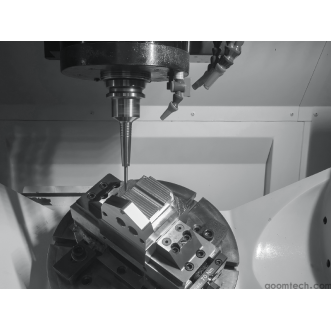
CNC machines perform operations such as milling, turning, drilling, and grinding. Each process is controlled by computer programs to achieve high precision. For example, when machining curved surfaces, slower feed rates and specialized tools may be used to maintain surface quality.
Quality Control
Quality inspection is performed throughout and after machining. Tools such as calipers, micrometers, and Coordinate Measuring Machines (CMMs) are used to check dimensions and accuracy. If any deviation is found, adjustments are made to the machining program to correct future parts.
Benefits of Using Precision CNC Machining Services for Custom Parts
High-Quality Output
Precision CNC machining ensures consistent, high-quality results. Because machines are computer-controlled, human error is reduced. Many industries rely on this consistency to maintain product performance and safety standards.
Customization Flexibility
CNC machining allows full customization. Whether producing a single prototype or thousands of parts, designs can be easily adjusted. This flexibility is especially useful in industries that require rapid product development or frequent design changes.
Cost-Effectiveness for Small-Batch Production
Unlike mass production methods that require expensive molds or tooling, CNC machining is ideal for small and medium production runs. It reduces setup costs and allows quick design changes, making it suitable for startups and specialized manufacturers.
Challenges in Providing Precision CNC Machining Services for High-Quality Custom Parts
Complex Design Interpretation
Some designs are highly detailed and difficult to interpret. Misunderstanding design requirements can lead to incorrect parts. Clear communication and detailed CAD models help reduce this risk.
Meeting Tight Deadlines
Precision machining requires time for setup, programming, and quality checks. When deadlines are short, manufacturers must carefully manage production schedules to avoid delays while maintaining quality.
Maintaining Cost-Quality Balance
High precision often requires advanced machines and skilled labor, which increases cost. Manufacturers must balance affordability with performance to meet customer expectations.
Applications of Precision-Machined High-Quality Custom Parts
Aerospace Industry
In aerospace, precision parts are used in engines, landing gear, and structural components. For example, turbine blades must withstand extreme temperatures and pressure while maintaining exact aerodynamic shape.
Medical Industry
Medical devices such as implants, surgical tools, and diagnostic equipment require extremely precise manufacturing. A small error in an implant can affect patient comfort and treatment success.
Automotive Industry
High-performance vehicles rely on precision-machined parts like engine blocks, transmission systems, and suspension components. These parts improve vehicle speed, durability, and fuel efficiency.
Conclusion: Unleashing the Potential of Precision CNC Machining for Custom Parts
Precision CNC machining is essential for producing high-quality custom parts used in modern industries. From design and programming to machining and inspection, every step ensures accuracy and performance. While challenges such as cost and complexity exist, the benefits far outweigh the difficulties.
By understanding the importance of precision, process flow, benefits, and applications, businesses can make better decisions when choosing manufacturing solutions. Precision CNC machining continues to support innovation in aerospace, automotive, medical, and many other industries by delivering reliable and high-performance custom parts.
How to Choose a CNC Machining Service: Key Factors for Quality, Cost
Introduction to Choosing a CNC Machining Service
Selecting the right CNC machining service is an important decision for any manufacturing project. A reliable service provider ensures good quality parts, reasonable cost, and on-time delivery. A poor choice may lead to delays, defects, and higher expenses. Understanding key selection factors helps avoid these problems.
Quality-related Factors in Choosing CNC Machining Service
Experience and Expertise
Experience is one of the strongest indicators of quality. An experienced CNC provider understands different materials, machines, and design challenges. For example, in aerospace projects, experienced manufacturers are better at meeting strict tolerance requirements and avoiding production errors.
Quality Control Measures
Strong quality control systems ensure consistency. Advanced inspection tools such as CMMs and surface testers help verify accuracy at every stage. This reduces the chance of defective parts reaching customers.
Skilled Workforce
Skilled engineers, programmers, and machinists are essential. They ensure correct programming, efficient machining, and accurate inspection. A skilled team can also quickly solve production problems when they arise.
Cost-related Factors in CNC Machining Service Selection
Quote Transparency
A good CNC service provides clear and detailed pricing. This includes material cost, machining cost, setup cost, and additional services. Transparent pricing helps customers compare providers fairly.
Economies of Scale
Ordering larger quantities can reduce cost per part. This is because setup costs are spread across more units, making production more efficient.
Value-for-money
The lowest price is not always the best choice. A slightly higher-cost provider may offer better quality, faster delivery, and fewer errors, which saves money in the long term.
Importance of Experience in CNC Machining Service
Industry-specific Experience
Providers with industry experience understand specific requirements. For example, medical part manufacturers must follow strict safety and regulatory standards.
Problem-solving Abilities
Experienced providers can quickly solve issues such as tool wear, material defects, or design errors. This reduces delays and improves project success.
Role of Equipment in CNC Machining Service Quality and Cost
Advanced Equipment for Quality
Modern CNC machines, especially multi-axis systems, produce highly accurate and complex parts. Advanced equipment improves precision and reduces manual errors.
Equipment Maintenance and Cost
Well-maintained machines reduce breakdowns and improve efficiency. However, maintaining high-end equipment increases operational cost, which can affect pricing.
Customer Reviews and CNC Machining Service Choice
Learning from Others' Experiences
Customer reviews provide real feedback about quality, delivery time, and communication. They help new customers make better decisions.
Identifying Red Flags
Repeated complaints about delays or poor quality should be taken seriously. These can indicate potential risks with the service provider.
Conclusion: Making an Informed Decision for CNC Machining Services
Choosing a CNC machining service requires careful evaluation of quality, cost, experience, equipment, and customer feedback. By considering these factors, businesses can select a reliable partner that delivers high-quality results at a fair price.
A thoughtful decision leads to better products, fewer risks, and long-term success in manufacturing projects.
 Process of Custom High-Precisi
 CNC Machining Parameter Settin
 5 Key Tips for CNC Machining o
 Small-batch Precision Parts 5-