


CNC Machining Stainless Steel: 5 Essential Techniques for Precision Parts
The Significance of Selecting the Right CNC Machining Service
Choosing the right CNC machining service is very important for the success of any manufacturing project. A good provider can deliver high-quality parts with stable performance and reasonable cost. A poor choice may lead to delays, low precision, communication problems, and unexpected expenses. This article explains the most important factors to consider when selecting a CNC machining partner, especially focusing on quality and cost balance.
Quality-related Factors in Choosing CNC Machining Service
Experience and Expertise
Experience is one of the strongest indicators of quality. A service provider with many years in CNC machining has likely solved many complex problems and understands how to handle different materials and designs.
For example, in aerospace parts manufacturing, high precision is required. An experienced CNC supplier can better manage tight tolerances and avoid deformation during machining. In one real case, an experienced team improved a client's design by adjusting machining strategy, reducing errors and achieving stable high-precision output.
Long-tail keyword focus: importance of experience in CNC machining service
Quality Control Measures
A reliable CNC machining service must have strict quality control systems. This includes inspection during and after production.
Common tools include Coordinate Measuring Machines (CMM), surface testers, and optical measuring systems. These tools help ensure every part matches design requirements.
For example, a CMM may detect a small dimensional error early in production. The service provider can then correct the machining process before producing more defective parts.
Long-tail keyword focus: quality-related factors in choosing CNC machining service
Skilled Workforce
Even with advanced machines, human skill is still essential. Programmers must create accurate CNC code, machinists must operate machines correctly, and inspectors must detect small defects.
For instance, a skilled machinist can adjust cutting speed during production to improve surface finish and reduce tool marks, resulting in better final quality.
Cost-related Factors in CNC Machining Service Selection
Quote Transparency
Transparent pricing is very important. A clear quote should include material cost, machining time, setup cost, and any extra services.
If pricing is unclear, customers may face hidden fees later. For example, a vague quote may exclude finishing or inspection costs, leading to unexpected budget increases.
Long-tail keyword focus: cost-related factors in CNC machining service selection
Economies of Scale
Production quantity strongly affects cost. Larger orders usually reduce the price per unit because setup costs are shared across more parts.
For example, ordering 1,000 parts instead of 100 can significantly reduce the unit price, making mass production more cost-effective.
Value-for-money
Choosing the cheapest option is not always the best decision. A slightly higher price may bring better accuracy, faster delivery, and fewer defects.
For example, a company once chose the lowest-cost supplier and faced quality issues and delays. Later, they switched to a more reliable provider and achieved stable production with fewer errors.
Importance of Experience in CNC Machining Service
Industry-specific Experience
Different industries have different requirements. Medical, aerospace, and automotive sectors all require different standards.
For example, medical CNC machining requires biocompatible materials and strict tolerance control. An experienced provider in this field can ensure compliance with regulations and safety standards.
Problem-solving Abilities
Experienced providers can quickly solve problems such as tool wear, material defects, or programming errors.
For example, when vibration occurs during machining, an experienced engineer may adjust tool paths and cutting conditions to stabilize production without delaying delivery.
Role of Equipment in CNC Machining Service Quality and Cost
Advanced Equipment for Quality
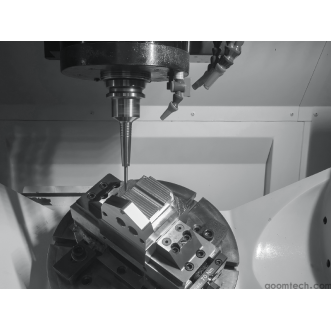
Modern CNC machines with multi-axis control can produce highly complex and precise parts. A 5-axis CNC machine allows movement in multiple directions, reducing repositioning errors.
For example, aerospace components with complex shapes can be manufactured in one setup, improving both accuracy and efficiency.
Long-tail keyword focus: role of equipment in CNC machining service quality and cost
Equipment Maintenance and Cost
Well-maintained machines ensure stable production and reduce breakdown risks. Poor maintenance may lead to delays and inconsistent quality.
However, maintaining advanced machines also increases operating cost. This cost is usually reflected in service pricing but helps ensure long-term stability and precision.
Customer Reviews and CNC Machining Service Choice
Learning from Others' Experiences
Customer reviews provide real feedback about quality, delivery time, and communication.
For example, positive reviews may highlight fast delivery and accurate machining, while negative reviews may warn about delays or poor surface finish. This helps customers make informed decisions.
Long-tail keyword focus: customer reviews and CNC machining service choice
Identifying Red Flags
Repeated complaints should not be ignored. If multiple customers report poor quality control or hidden charges, it is a warning sign.
For example, one buyer avoided a supplier after reading repeated complaints about inaccurate dimensions, saving time and cost losses.
Conclusion: Making an Informed Decision
When selecting a CNC machining service, it is important to balance quality and cost. Key factors include experience, quality control, skilled workers, pricing transparency, equipment level, and customer feedback.
By carefully evaluating these points, you can reduce risks and ensure better project results. Start by comparing several providers using these criteria to find the best match for your needs.
CNC Machining Aluminum Plates: 5 Advanced Techniques for Precision
Introduction to CNC Machining Aluminum Plates
Aluminum plates are widely used because they are light, strong, and easy to machine. However, achieving high precision requires advanced techniques. Below are five important methods used in modern CNC machining.
High-speed Machining
High-speed machining uses fast spindle speeds and feed rates. It improves efficiency and reduces heat buildup, which helps prevent material distortion.
For example, automotive parts manufacturers use this method to produce aluminum components faster while maintaining smooth surface quality.
Coolant-assisted Machining
Coolant helps control heat and removes chips during cutting. This prevents deformation and improves surface finish.
In aerospace manufacturing, coolant is essential to maintain tight tolerances in aluminum parts.
Five-axis Machining
Five-axis machines move tools in multiple directions, allowing complex shapes to be cut in one setup. This improves accuracy and reduces repositioning errors.
For example, electronic device housings made from aluminum plates often rely on this method for precision shaping.
Adaptive Machining
Adaptive machining uses sensors to adjust cutting conditions in real time. If tool wear or vibration is detected, the system automatically adjusts parameters.
This improves consistency and reduces defects during long production runs.
Ultra-precision Grinding
This technique is used for extremely fine surface finishing. It can achieve very smooth surfaces needed in optical or high-performance applications.
Advantages and Challenges
These techniques improve precision, efficiency, and product quality. However, they require advanced machines, skilled operators, and higher investment costs.
Conclusion
Using advanced CNC techniques helps improve accuracy and production efficiency in aluminum plate machining. Companies should choose methods based on budget, required precision, and production scale.
CNC Machining Stainless Steel: 5 Essential Techniques for Precision Parts
Introduction to CNC Machining Stainless Steel
Stainless steel is widely used in automotive, medical, and aerospace industries because it is strong and corrosion-resistant. However, it is also difficult to machine. The following five techniques help improve precision and efficiency.
Proper Tool Selection
Using the right cutting tools is very important. Carbide tools are often used because stainless steel is hard and generates heat during machining.
Correct tool geometry also improves cutting stability and accuracy.
Coolant and Lubrication
Coolant reduces heat and friction, helping maintain tool life and dimensional accuracy.
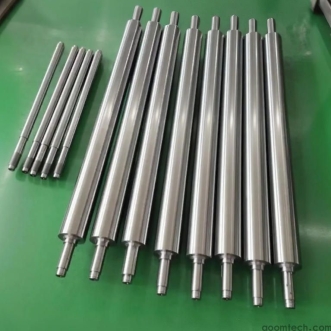
For example, water-based coolant is commonly used in turning stainless steel shafts to prevent overheating.
Optimized Cutting Parameters
Correct spindle speed, feed rate, and depth of cut are essential for precision. Stainless steel often requires slower speeds to reduce tool wear.
Fixture and Workholding Design
A strong fixture system keeps the workpiece stable during machining. This reduces vibration and improves accuracy.
For large stainless steel plates, multiple clamping points are often used to ensure stability.
CNC Programming Optimization
Good programming reduces unnecessary movement and improves cutting efficiency. Smooth tool paths help avoid errors and improve surface quality.
Advantages of These Techniques
These methods improve precision, extend tool life, and reduce production costs. They are widely used in high-precision industries such as medical implants manufacturing.
Challenges
Different stainless steel grades behave differently, making machining more complex. Process optimization often requires testing and adjustment.
Conclusion
By applying these five techniques, manufacturers can achieve higher precision and better efficiency in stainless steel CNC machining. Careful planning and optimization are key to success.
 Process of Custom High-Precisi
 CNC Machining Parameter Settin
 5 Key Tips for CNC Machining o
 Small-batch Precision Parts 5-