


CNC Machining of Parts for the Aerospace Industry
The aerospace sector is one of the most demanding industries in modern manufacturing. Every component used in an aircraft or spacecraft must meet extremely strict standards for safety, performance, and reliability. CNC Machining of Parts for the Aerospace Industry plays a key role in producing these high-performance components with precision and consistency.
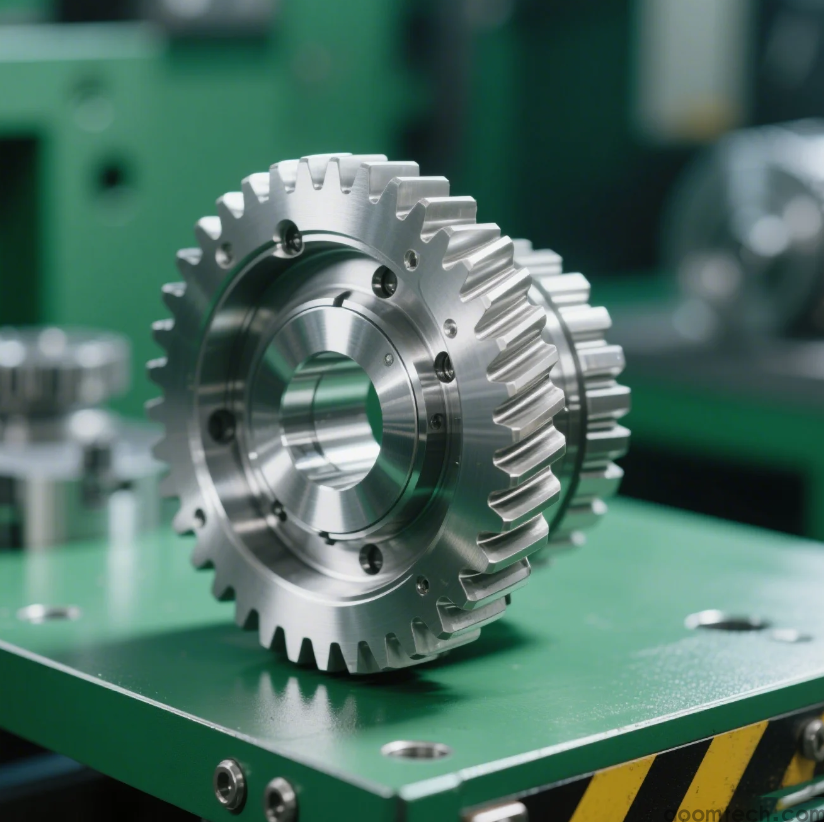
Introduction to Aerospace-part CNC Machining
Unique Requirements of Aerospace Parts
Parts used in aerospace applications must meet very high technical requirements. They need to be lightweight but also extremely strong. They must resist high temperatures, pressure changes, vibration, and long-term fatigue.
For example, turbine blades in aircraft engines rotate at very high speeds and operate under extreme heat. If even a small dimensional error occurs, it can lead to serious engine failure. That is why high-precision CNC machining is essential to ensure every part fits and functions correctly within complex aerospace systems such as those used by and aircraft.
Material Considerations in Aerospace CNC Machining
Specialized Materials
Aerospace manufacturing uses advanced materials designed for strength, heat resistance, and weight reduction. These include:
Titanium alloys – excellent strength-to-weight ratio and high temperature resistance, often used in landing gear and engine parts.
Aluminum-lithium alloys – very lightweight and corrosion resistant, commonly used in aircraft fuselage structures.
High-strength steels – used in fasteners and critical load-bearing components.
These materials are difficult to machine because of their hardness, heat resistance, or chemical reactivity. Therefore, material considerations in aerospace-part CNC machining are extremely important. Manufacturers must select the right cutting tools, coatings, and machining parameters to achieve stable and accurate results.
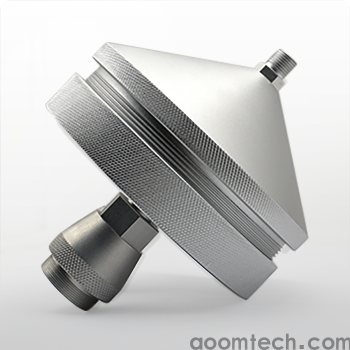
CNC Machining Operations for Aerospace Parts
Milling Operations
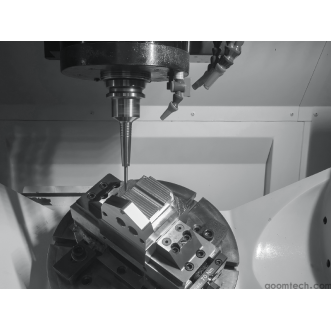
Milling is widely used to produce complex aerospace geometries such as wing structures, brackets, and turbine housings. Modern aerospace machining often uses 5-axis CNC machines, which allow tools to reach complex angles without multiple setups.
Carbide end mills are commonly used due to their durability. Cutting speed, feed rate, and depth of cut must be carefully controlled to avoid tool wear and material deformation.
Turning Operations
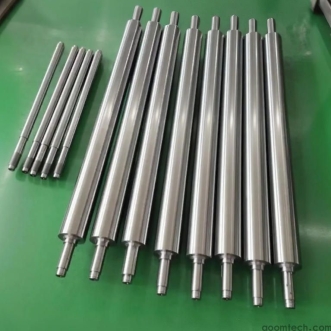
Turning is used for cylindrical parts such as shafts, connectors, and engine components. Aerospace turning requires very tight tolerances and excellent surface finishes.
For hard materials like titanium, advanced inserts such as coated carbide or diamond-coated tools are often used. Proper programming must consider tool wear, heat control, and concentricity to ensure accuracy.
Drilling and Boring
Drilling is used to create precise holes for fasteners, cooling channels, and fluid systems. Boring is then used to refine these holes to achieve exact dimensions and smooth surfaces.
In aerospace production, hole accuracy is critical. Even small deviations can affect structural integrity. Engineers must carefully select drill types based on material and hole size. Proper cooling and chip removal are also essential to prevent tool breakage and maintain tolerance accuracy.
Quality Assurance in Aerospace-part Machining
Stringent In-process Inspection
Quality assurance in aerospace-part machining is extremely strict and continuous. During production, parts are regularly measured to ensure they meet design specifications.
Advanced measurement tools include:
Coordinate Measuring Machines (CMM)
Laser trackers
Optical inspection systems
For example, during wing structure machining, engineers may continuously check wall thickness to avoid structural weakness. Early detection of errors helps prevent costly rework or failure.
Final Inspection and Testing
After machining is complete, every aerospace component undergoes detailed inspection and testing. This includes dimensional checks, surface roughness evaluation, and non-destructive testing methods such as:
Ultrasonic testing
X-ray inspection
Magnetic particle inspection
In some cases, components are also tested under real operating conditions, such as high-speed rotation or extreme temperature environments. Failure to meet standards can result in rejection of the entire batch, as aerospace safety cannot be compromised.
Challenges and Solutions in Aerospace-part CNC Machining
Complex Geometries and Tight Tolerances
One of the biggest challenges in aerospace-part CNC machining is producing parts with extremely complex shapes and very tight tolerances, sometimes measured in microns.
Advanced CNC programming techniques, including 5-axis machining and adaptive toolpath control, help reduce setup errors and improve accuracy. This is especially important for parts like turbine blades and aerodynamic structures.
Material-related Challenges
Aerospace materials such as titanium and nickel alloys generate high heat and cause rapid tool wear. They can also be difficult to cut cleanly, leading to chip buildup and reduced surface quality.
Solutions include:
Using coated or ceramic cutting tools
Applying high-performance coolant or cryogenic cooling
Optimizing cutting speed and feed rate
Improving chip evacuation strategies
These methods help improve tool life, reduce machining defects, and ensure consistent part quality.
Conclusion
CNC Machining of Parts for the Aerospace Industry is a highly advanced and precise manufacturing process. It requires careful material selection, advanced machining technology, and strict quality control systems.
From design to final inspection, every step must meet aerospace-grade standards to ensure safety and reliability. As aircraft and spacecraft designs continue to evolve, CNC machining will remain a core technology supporting innovation in global aerospace engineering.
 Process of Custom High-Precisi
 CNC Machining Parameter Settin
 5 Key Tips for CNC Machining o
 Small-batch Precision Parts 5-