


CNC Machining for Medical Devices
CNC Machining for Medical Devices is a highly precise manufacturing process used to produce surgical tools, implants, diagnostic equipment parts, and many other healthcare components. Because these parts are used inside or near the human body, the requirements are much stricter than in most other industries.
This article explains the key challenges, materials, processes, and best practices in simple and clear language, so it is easy to understand for readers around the world.
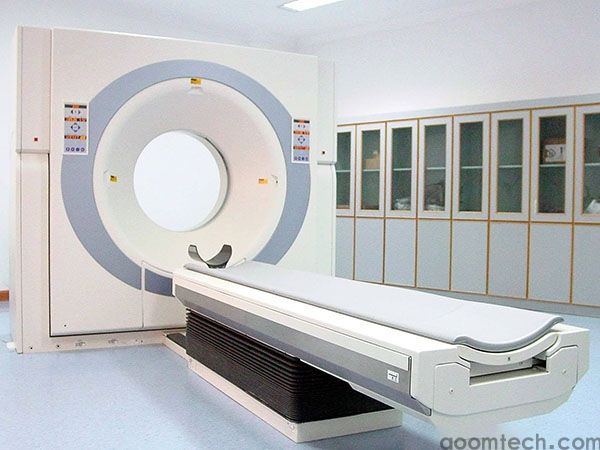
1. Special Requirements in Medical CNC Machining
Medical components must meet extremely strict standards. Even a very small error can affect patient safety or device performance. The main requirements include precision, cleanliness, and biocompatibility.
High Precision Requirements
Medical parts often require extremely tight tolerances. Common values include:
±0.01 mm for general surgical tools
±0.005 mm for orthopedic and implant components
In some advanced cases, even tighter micro-level accuracy is required
These precision requirements in medical device CNC manufacturing ensure that parts fit perfectly and function safely inside medical systems.
Biocompatibility of Materials
Materials used in medical devices must be safe for the human body. This is known as biocompatibility. Common materials include:
Titanium and titanium alloys (widely used for implants)
Stainless steel (for surgical tools)
PEEK (a strong medical-grade plastic)
Cobalt-chromium alloys (for wear-resistant implants)
These biocompatible materials in medical device CNC machining must meet strict international standards such as ISO 10993 to ensure safety.
Sterilization Requirements
Medical components must be easy to sterilize and must not degrade during sterilization processes like autoclaving, gamma radiation, or chemical cleaning. The surface finish plays a key role in preventing bacteria growth and contamination.
2. CNC Machining Processes Used in Medical Devices
Different machining methods are used depending on the shape, size, and function of the medical part.
Milling
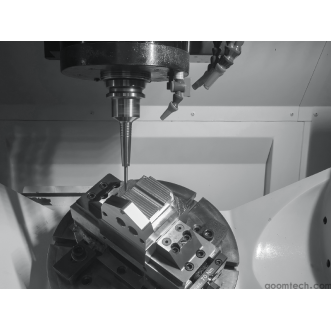
Milling is widely used to create complex shapes such as surgical instruments, bone plates, and implant housings. Multi-axis CNC milling machines (3-axis, 4-axis, and 5-axis) help produce detailed geometries with high accuracy.
Turning
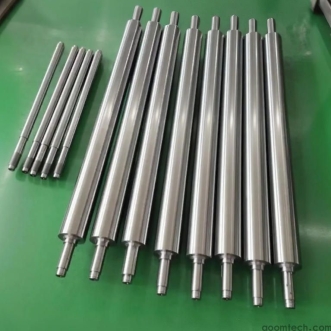
Turning is used for cylindrical parts like screws, pins, and rods used in orthopedic implants. CNC lathes provide smooth and precise round surfaces with consistent dimensions.
Grinding
Grinding is used when ultra-smooth surfaces and extremely tight tolerances are required. It is often used for finishing surgical tools and implant surfaces.
3. Tooling Considerations for Medical CNC Manufacturing
Tool selection is very important in medical machining because contamination and surface quality must be strictly controlled.
Tooling for medical device CNC manufacturing must follow these principles:
Use high-quality carbide or diamond-coated tools
Avoid tool wear that can cause surface contamination
Use dedicated tools for medical-grade materials only
Ensure tools are properly cleaned and maintained
In many cases, separate tool sets are used to avoid cross-contamination between different materials.
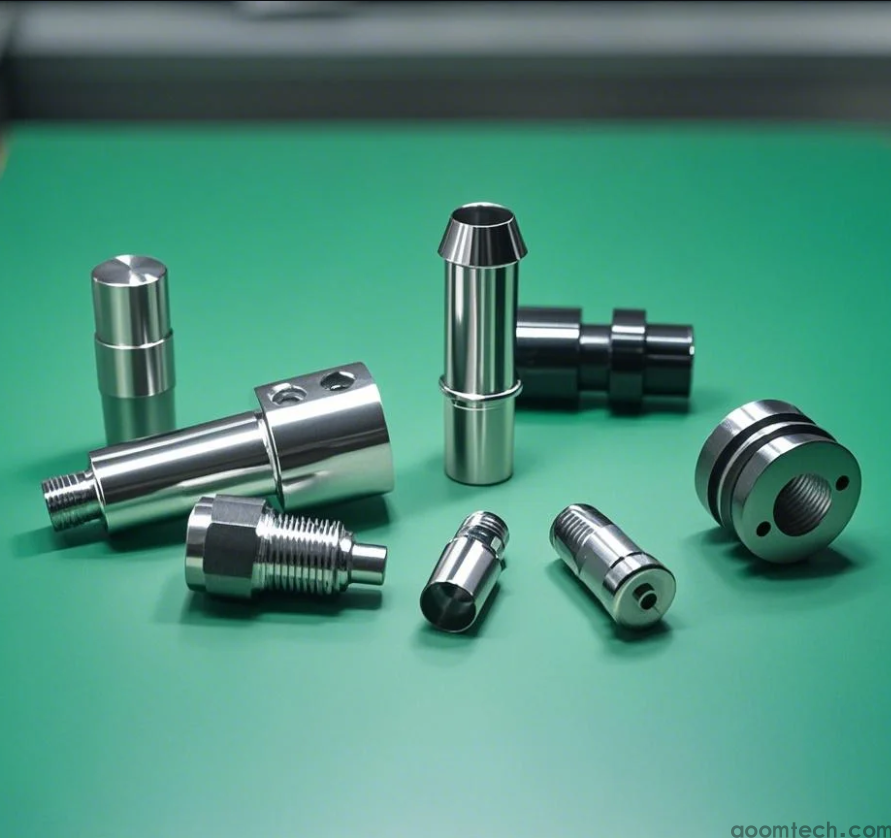
4. Programming Techniques for Accuracy and Repeatability
Good CNC programming is essential for producing safe and consistent medical parts. Even small programming errors can lead to rejection or safety risks.
Key programming strategies include:
Careful tool path optimization to reduce vibration and tool stress
Compensation for tool wear to maintain consistent accuracy
Use of slow and stable feed rates for delicate features
Simulation before machining to prevent collisions and errors
Advanced CNC systems also use adaptive control, which automatically adjusts cutting conditions to maintain quality.
5. Post-Machining Treatments for Medical Parts
After machining, medical components often require additional processing to improve safety, durability, and performance.
Post-machining in medical device CNC includes several important steps:
Surface Finishing
Polishing, electropolishing, or micro-blasting is used to create smooth surfaces. A smoother surface reduces bacterial adhesion and improves sterilization effectiveness.
Cleaning and Deburring
All sharp edges and machining residues must be removed. Ultrasonic cleaning is often used to ensure no particles remain on the part.
Coating and Treatment
Some parts receive special coatings to improve wear resistance or biocompatibility, such as titanium nitride (TiN) or hydroxyapatite coatings for bone implants.
6. Quality Control and Regulatory Standards
Medical CNC manufacturing must follow strict quality systems such as ISO 13485. Every step is documented and controlled to ensure traceability.
Common inspection methods include:
Coordinate Measuring Machine (CMM) inspection for dimensional accuracy
Optical measurement for surface and shape analysis
X-ray or CT scanning for internal structure inspection
Surface roughness testing for implant-grade finishes
These inspections ensure that every part meets medical safety requirements before use.
7. Conclusion
CNC Machining for Medical Devices is a critical process that combines precision engineering, material science, and strict quality control. The industry demands extremely high accuracy, safe materials, and clean manufacturing processes.
By using proper machining methods, selecting biocompatible materials, applying careful programming strategies, and performing strict post-processing, manufacturers can produce reliable and safe medical components that improve patient care and save lives.
 Process of Custom High-Precisi
 CNC Machining Parameter Settin
 5 Key Tips for CNC Machining o
 Small-batch Precision Parts 5-