


CNC Precision Machining Parts
CNC Precision Machining Parts play a critical role in modern manufacturing industries such as aerospace, automotive, electronics, and medical devices. These parts require extremely accurate dimensions, consistent quality, and reliable performance. Even a very small error can lead to product failure, assembly issues, or safety risks.
This article explains key concepts of CNC precision machining in simple language, including materials, processes, tooling, programming, and post-processing methods.
What Are CNC Precision Machining Parts?
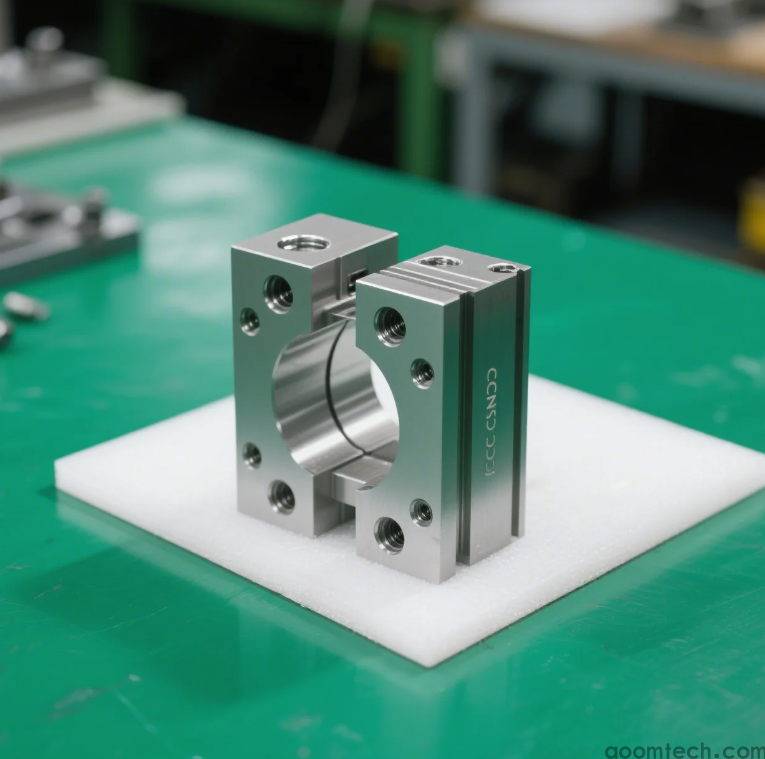
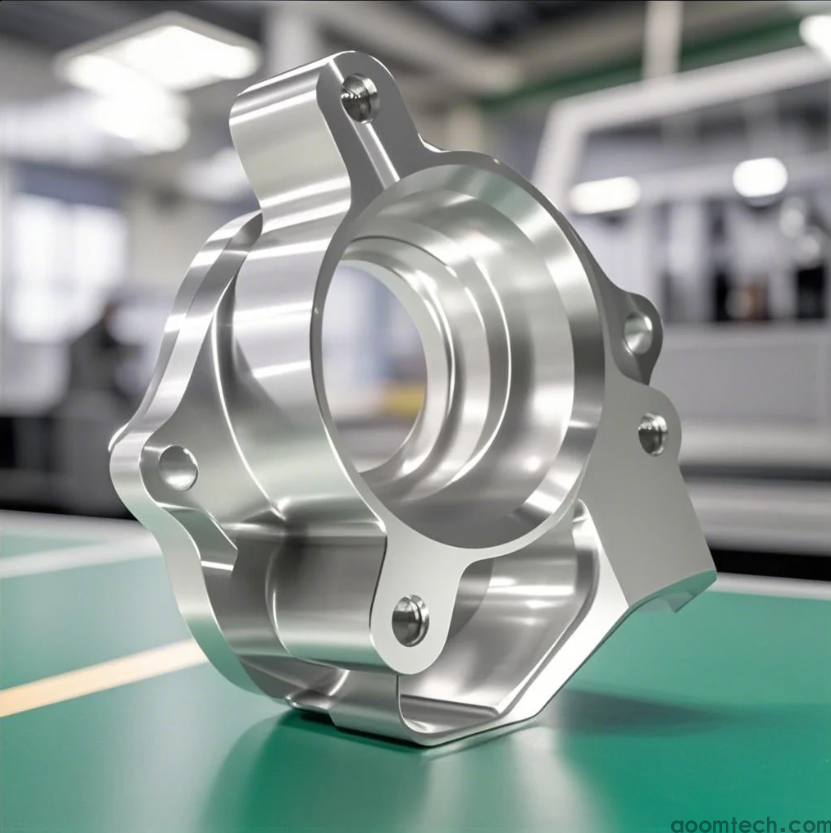
CNC precision machining parts are components manufactured using computer-controlled machines with very tight dimensional accuracy. CNC (Computer Numerical Control) machines follow programmed instructions to cut, shape, and finish materials such as metal or plastic.
These parts are commonly used in applications where accuracy and repeatability are essential, such as engine components, surgical tools, and electronic housings.
Importance of Precision in Machining
Precision is the foundation of high-quality manufacturing. In CNC machining, tolerances define how much variation is acceptable in a part’s dimensions.
Typical tolerance ranges include:
Standard precision: ±0.1 mm
High precision: ±0.05 mm
Ultra-precision: ±0.01 mm or tighter
The term precision tolerance in CNC machining parts refers to how strictly a part must match its design dimensions. The tighter the tolerance, the more advanced machines, stable environments, and skilled programming are required.
Material Selection for CNC Precision Parts
Choosing the right material is essential for performance, cost, and machinability. Different materials behave differently during cutting and finishing processes.
Material selection for CNC precision parts typically includes the following common options:
Aluminum: Lightweight, easy to machine, and cost-effective. Widely used in electronics and automotive industries.
Stainless Steel: Strong, corrosion-resistant, but harder to machine. Often used in medical and industrial applications.
Titanium: Extremely strong and lightweight, but difficult to machine due to heat resistance. Common in aerospace and medical implants.
Each material affects tool wear, cutting speed, and final surface quality.
CNC Machining Processes for Precision Parts
Different machining processes are used depending on the shape and complexity of the part.
Milling
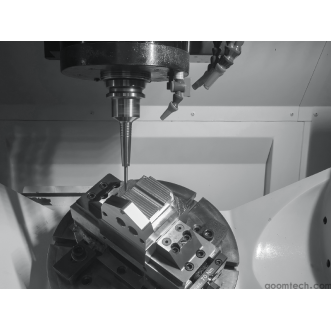
Milling uses rotating cutting tools to remove material from a stationary workpiece. It is ideal for complex shapes, slots, and flat surfaces.
Turning
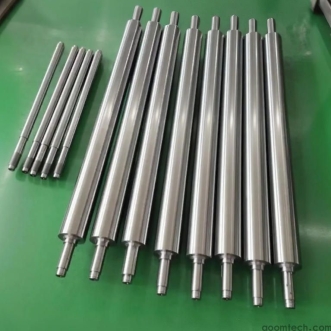
Turning involves rotating the workpiece while a cutting tool shapes it. It is commonly used for cylindrical parts such as shafts and bushings.
EDM (Electrical Discharge Machining)
EDM uses electrical sparks to remove material. It is useful for very hard metals and intricate shapes that are difficult to machine using traditional methods.
Tooling for CNC Precision Machining
Tool quality directly affects machining accuracy and surface finish. Poor tools can cause vibration, dimensional errors, and rapid wear.
Tooling for CNC precision machining includes selecting the correct tool material, coating, and geometry:
Carbide tools for high-speed and hard materials
Diamond-coated tools for abrasive materials
Specialized tool geometries to reduce cutting forces
Stable tool holders and proper tool balancing are also important to maintain tight tolerances.
Programming Techniques for Accuracy
CNC programming plays a major role in achieving precision. Even with advanced machines, poor programming can lead to errors.
Key techniques include:
Optimized tool paths to reduce vibration and tool deflection
Compensation for tool wear and machine thermal expansion
Use of simulation software before actual machining
High-resolution step-over control for smooth surface finishing
Good programming ensures consistent results in mass production as well as prototype manufacturing.
Post-Machining Treatments
After machining, parts often require additional treatments to improve performance and durability.
Post-machining in CNC precision parts production may include:
Heat treatment: Reduces internal stress and improves hardness
Surface finishing: Includes polishing, anodizing, or coating for better appearance and corrosion resistance
Deburring: Removes sharp edges for safety and better assembly fit
These processes help ensure the part performs reliably in real-world conditions.
Quality Control and Industry Standards
Quality control is essential in precision machining. Measurement tools such as Coordinate Measuring Machines (CMM), micrometers, and optical inspection systems are commonly used.
Manufacturers often follow international standards such as ISO 2768 and ASME Y14.5 to ensure consistency and reliability.
Strong quality control practices improve trust, reduce defects, and ensure compliance with industry requirements—an important part of EEAT (Expertise, Experience, Authoritativeness, Trustworthiness) principles in manufacturing documentation.
Conclusion
CNC Precision Machining Parts are essential for industries that demand high accuracy and reliability. Understanding materials, machining processes, tooling, programming, and post-processing helps manufacturers achieve better performance and lower defect rates.
By combining advanced CNC technology with proper engineering practices, companies can produce high-quality precision parts that meet strict global standards.
 Process of Custom High-Precisi
 CNC Machining Parameter Settin
 5 Key Tips for CNC Machining o
 Small-batch Precision Parts 5-