


Tips for CNC Machining Titanium Alloy Parts
Tips for CNC Machining Titanium Alloy Parts are essential for manufacturers who work with aerospace, medical, and high-performance engineering components. Titanium alloys are strong, lightweight, and corrosion-resistant, but they are also difficult to machine. This article explains the main challenges and provides practical, easy-to-follow solutions for better machining results.
Why Titanium Alloys Are Difficult to Machine
Titanium alloys are widely used in demanding industries, but they create several machining problems:
Low thermal conductivity: Heat does not leave the cutting zone quickly, so tools become very hot.
High chemical reactivity: Titanium can stick to cutting tools at high temperatures, causing wear and built-up edges.
High strength: The material stays strong even at high temperatures, increasing cutting resistance.
Because of these properties, selecting the right tools, cutting settings, and cooling methods is very important.
Tool Selection Tips for Titanium Alloy CNC Machining
Choosing the right cutting tool is one of the most important steps in successful machining. Poor tool selection leads to fast wear, poor surface finish, and unstable cutting.
Recommended tool materials
Carbide tools: The most common choice. Strong, wear-resistant, and suitable for most titanium machining tasks.
Coated carbide tools: TiAlN or AlTiN coatings help reduce heat and friction.
Ceramic tools: Used in special high-speed finishing operations, but not common for general titanium cutting.
Tool geometry recommendations
Use sharp cutting edges to reduce cutting force.
Choose low positive rake angles for stability.
Use strong core tools to avoid breakage under load.
Short tool overhang improves rigidity and reduces vibration.
Tool selection tips for titanium alloy CNC machining should always focus on heat resistance, sharpness, and stability.
Cutting Parameter Advice for Titanium Alloy Parts
Correct cutting parameters help control heat and extend tool life. Titanium machining is usually done at lower speeds compared to steel or aluminum.
Spindle speed
Use low to moderate spindle speeds to reduce heat buildup.
Too high speed increases tool wear quickly.
Feed rate
Use a moderate feed rate to avoid rubbing instead of cutting.
Too low feed can increase heat due to friction.
Depth of cut
Use shallow to medium depth of cut for stability.
For roughing, avoid excessive cutting depth to reduce tool stress.
Cutting parameter advice for titanium alloy parts should always balance heat control and tool load.
Coolant Choice for Titanium Alloy CNC Machining
Cooling is critical in titanium machining because heat builds up quickly in the cutting zone. The right coolant improves tool life and surface quality.
Best coolant types
High-pressure coolant systems: Help break chips and remove heat efficiently.
Water-soluble coolants: Common and effective for general machining.
Semi-synthetic coolants: Provide good lubrication and cooling balance.
Coolant application tips
Direct coolant precisely at the cutting edge.
Use continuous flow instead of intermittent cooling.
Ensure strong chip evacuation to prevent heat buildup.
Coolant choice for titanium alloy CNC machining plays a key role in preventing tool failure and improving surface finish.
Work-Holding Tips for Titanium Alloy Parts in CNC
Titanium is strong and can generate high cutting forces. A stable work-holding system is necessary to avoid vibration and movement during machining.
Best practices
Use rigid fixtures designed for heavy-duty cutting.
Minimize part overhang to reduce vibration.
Clamp the workpiece evenly to avoid distortion.
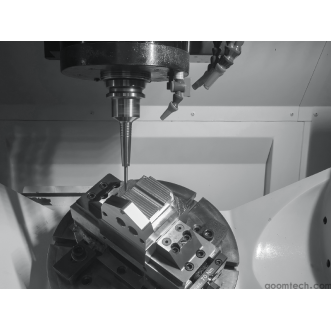
Use soft jaws or custom fixtures for complex shapes.
Work-holding tips for titanium alloy parts in CNC focus on stability, precision, and vibration control.
Additional Practical Tips
Avoid long continuous cutting to reduce heat buildup.
Use climb milling for better surface finish and tool life.
Regularly inspect tools for wear and replace early.
Optimize tool paths to reduce unnecessary tool movement.
Conclusion
Machining titanium alloys requires careful planning and control. By using the right tools, optimized cutting parameters, effective cooling, and strong work-holding methods, manufacturers can achieve better performance and longer tool life.
Following these Tips for CNC Machining Titanium Alloy Parts will help improve machining stability, reduce production costs, and ensure high-quality finished components that meet industry standards.
References (Industry Knowledge Basis)
General CNC machining guidelines from machining engineering handbooks
Manufacturing best practices for aerospace-grade titanium alloys (e.g., Ti-6Al-4V)
Tool manufacturer recommendations (carbide tooling and coating technologies)
 Process of Custom High-Precisi
 CNC Machining Parameter Settin
 5 Key Tips for CNC Machining o
 Small-batch Precision Parts 5-