


CNC Machining of Precision Automotive Parts
Modern vehicles depend on highly accurate components to ensure safety, performance, and fuel efficiency. CNC Machining of Precision Automotive Parts plays a key role in producing these components with consistent quality and tight accuracy. From engine blocks to transmission parts, CNC technology helps manufacturers meet strict automotive industry standards.
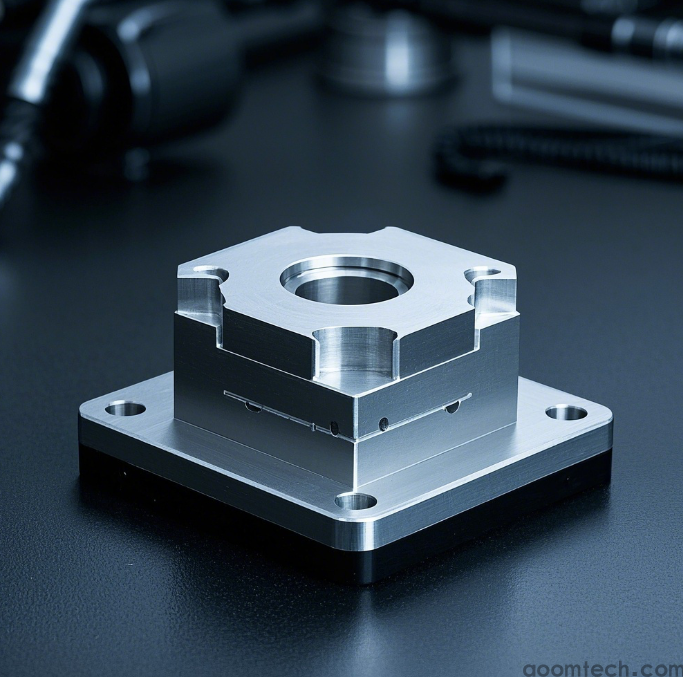
Key Requirements in Automotive Precision Machining
Automotive parts must work under high pressure, heat, and continuous movement. Because of this, machining requirements are very strict.
High precision tolerances: Many engine and transmission parts require tolerances within ±0.05mm or even tighter for critical surfaces.
Dimensional consistency: Every part must match the design exactly to ensure smooth assembly in mass production.
Surface quality: Smooth surfaces reduce friction and improve engine efficiency and lifespan.
The concept of precision tolerance in automotive CNC part machining is essential because even small deviations can affect engine performance, fuel consumption, and safety.
Material Selection for Automotive CNC Parts
Material choice is one of the most important factors in automotive manufacturing. Engineers must balance strength, weight, cost, and durability.
Aluminum alloys: Lightweight and commonly used for engine housings and structural parts to improve fuel efficiency.
Stainless steel: Offers high strength and corrosion resistance for exhaust systems and fasteners.
Cast iron: Still widely used for engine blocks due to excellent wear resistance and vibration damping.
Using the right material improves vehicle performance and reduces long-term maintenance costs. Lightweight materials are especially important for modern fuel-efficient and electric vehicles.
Machining Processes for Automotive Parts
Different CNC processes are used depending on the shape and function of the part.
Multi-axis Milling
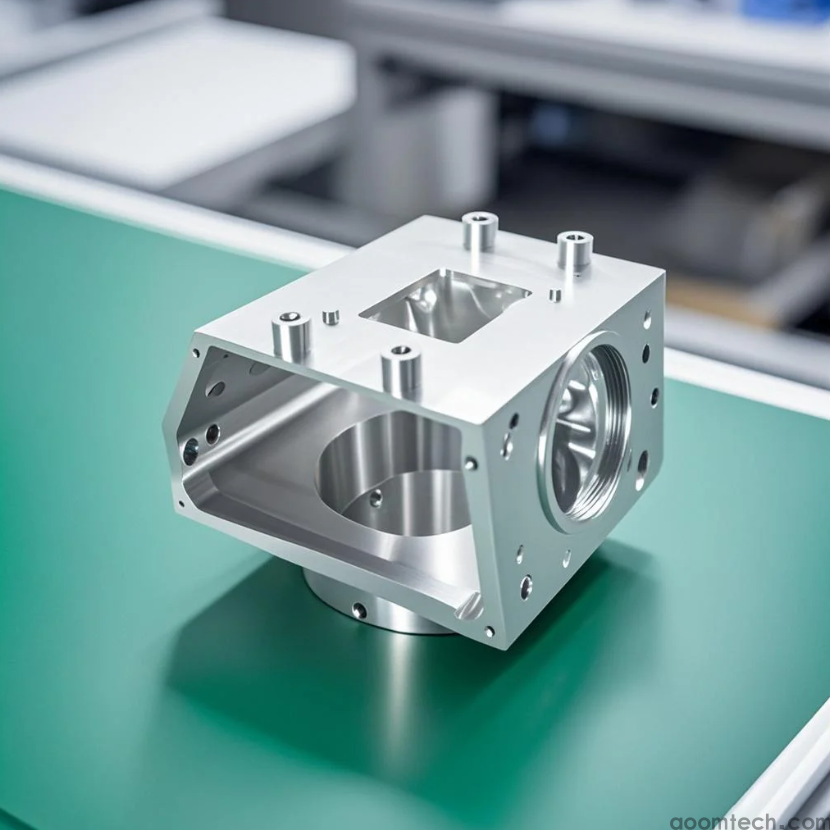
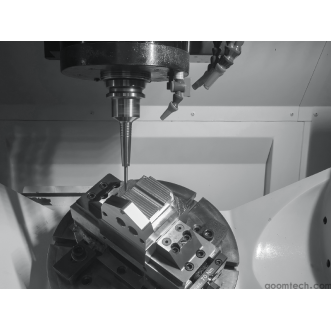
Multi-axis milling machines allow cutting from different angles without repositioning the part. This is ideal for complex geometries such as engine heads, turbine-like shapes, and housings.
Turning Operations
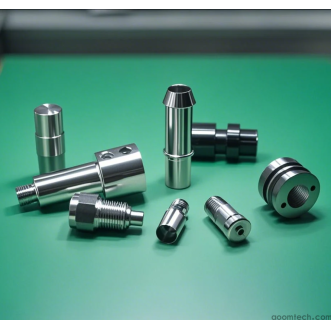
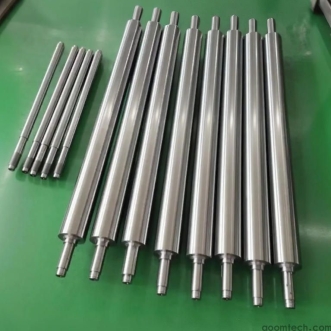
CNC turning is used for cylindrical parts like shafts, bushings, and pins. It provides high roundness accuracy and smooth surface finishes.
Together, these processes ensure flexibility in producing both simple and highly complex automotive components.
Tooling Considerations in Automotive CNC Machining
Tool selection directly affects machining quality, tool life, and production cost.
Carbide-tipped tools: Commonly used for machining hard materials because they offer excellent wear resistance and heat tolerance.
Coated tools: Titanium nitride (TiN) or similar coatings reduce friction and improve tool life.
Geometry selection: Proper cutting angles help reduce vibration and improve surface finish.
The principle of material-based tooling in automotive CNC machining ensures that each material is matched with the most suitable cutting tool for efficiency and precision.
Programming and Tool Path Optimization
CNC programming is critical for achieving accuracy and reducing production time. Advanced software helps simulate cutting paths before actual machining begins.
Optimizing tool paths reduces unnecessary movement and improves efficiency.
Adaptive cutting strategies help maintain consistent cutting forces.
Simulation tools prevent collisions and machining errors.
Programming for automotive part CNC accuracy ensures that each movement of the machine is controlled precisely, reducing scrap rates and improving consistency in mass production.
Post-Machining Treatments for Automotive Parts
After machining, many automotive components require additional processing to improve performance and durability.
Heat treatment: Improves hardness, strength, and fatigue resistance of metal parts.
Surface finishing: Processes like polishing or coating improve corrosion resistance and reduce friction.
Anodizing or plating: Common for aluminum and steel parts to extend service life.
These post-machining treatments in automotive part CNC production ensure that parts can withstand real-world driving conditions such as vibration, heat, and moisture.
Quality Control in Automotive CNC Manufacturing
Strict quality control is essential in the automotive industry because even small defects can lead to system failure.
Precision measurement tools such as CMM (Coordinate Measuring Machines) verify dimensions.
Surface roughness testing ensures proper finishing quality.
Batch inspection guarantees consistency in mass production.
Every stage of production is carefully monitored to ensure reliability, safety, and compliance with automotive industry standards.
Conclusion
CNC Machining of Precision Automotive Parts is a critical technology that supports modern vehicle manufacturing. Through advanced machining processes, proper material selection, precise programming, and strict quality control, manufacturers can produce highly reliable and efficient automotive components.
As the automotive industry continues to evolve toward electric and lightweight vehicles, CNC machining will remain essential for achieving higher precision, better performance, and improved sustainability.
 Process of Custom High-Precisi
 CNC Machining Parameter Settin
 5 Key Tips for CNC Machining o
 Small-batch Precision Parts 5-