


How to Choose a CNC Machining Manufacturer
Choosing the right CNC partner is an important decision for any business that needs precision parts. A reliable supplier can improve product quality, reduce costs, and ensure stable production. On the other hand, a poor choice may lead to delays, defects, and wasted money. This guide explains How to Choose a CNC Machining Manufacturer in a simple and practical way, especially for readers who are not experts in manufacturing.
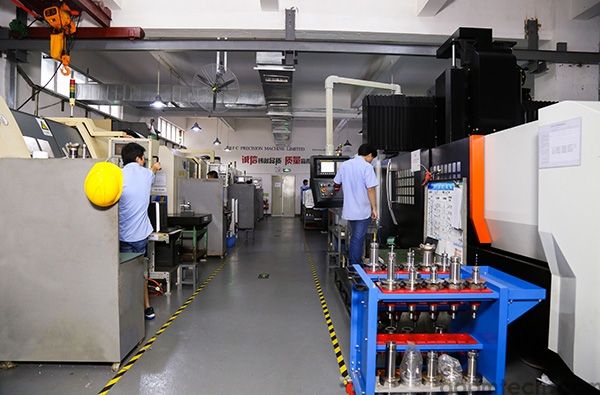
1. Industry Experience Matters
One of the first things to check is the manufacturer’s experience in your industry. Different industries have different requirements. For example:
Aerospace: requires extremely tight tolerances and strict safety standards
Automotive: focuses on mass production, durability, and cost efficiency
Medical devices: demands high precision and biocompatible materials
A company with relevant experience will better understand your technical needs and avoid common mistakes. This is known as the experience factor in choosing CNC machining manufacturer. Always ask for case studies or past project examples before making a decision.
2. Equipment and Technical Capability
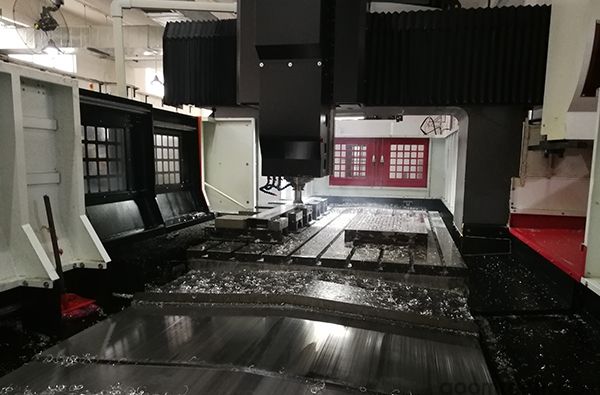
The quality of CNC machining depends heavily on the machines used. Modern manufacturers should have a range of advanced equipment, such as:
3-axis CNC milling machines for basic parts
4-axis and 5-axis CNC machines for complex geometries
CNC turning centers for cylindrical parts
EDM (Electrical Discharge Machining) for hard or delicate materials
High-end equipment can achieve tighter precision levels, often within ±0.01mm or better, depending on the part design.
This is why evaluating the equipment of CNC machining manufacturers is essential. A well-equipped factory can handle complex designs and improve production efficiency.
3. Quality Control Systems and Certifications
Strong quality control is critical in CNC manufacturing. A reliable manufacturer should have a structured inspection system at every stage:
Incoming material inspection
In-process measurement using tools like CMM (Coordinate Measuring Machines)
Final inspection before shipment
Many trusted companies follow international standards such as ISO 9001, which ensures consistent quality management systems.
When evaluating suppliers, always ask about their quality control in CNC machining manufacturer selection. A transparent QC process reduces risks and improves product reliability.
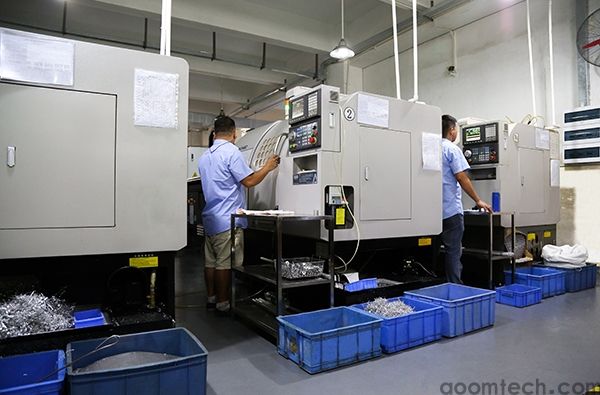
4. Material Handling Capability
Different projects require different materials. A capable CNC manufacturer should be able to process a wide range of materials, including:
Aluminum (lightweight and easy to machine)
Stainless steel (strong and corrosion-resistant)
Carbon steel (durable and cost-effective)
Engineering plastics (such as POM, ABS, and Nylon)
Titanium (used in aerospace and medical applications)
Good material handling by CNC machining manufacturers ensures proper cutting speeds, tool selection, and cooling methods for each material type. This directly affects surface finish, accuracy, and part life.
5. Communication and Customer Service
Good communication is often overlooked but very important. A professional CNC machining manufacturer should offer:
Fast response times (within 24 hours is ideal)
Clear technical communication in drawings and specifications
Multiple communication channels (email, phone, online chat)
Engineering support for design optimization
If communication is slow or unclear, it can lead to costly misunderstandings. Strong customer service is a sign of a well-organized and experienced company.
6. Pricing and Value, Not Just Cost
While price is important, the cheapest option is not always the best. Low-cost suppliers may cut corners in materials or quality control. Instead, focus on overall value:
Consistent quality
Reliable delivery time
Engineering support
Long-term cooperation potential
A slightly higher price can often save money in the long run by reducing defects and rework.
7. Final Checklist Before Choosing a Manufacturer
Before making your final decision, review this simple checklist:
Do they have experience in your industry?
Do they use modern CNC equipment?
Do they have certifications like ISO 9001?
Can they handle your required materials?
Is their communication clear and fast?
If the answer is “yes” to most of these questions, you are likely dealing with a reliable partner.
Conclusion
Understanding How to Choose a CNC Machining Manufacturer is essential for ensuring product quality and business success. By carefully evaluating experience, equipment, quality control systems, material capability, and communication, you can find a partner that meets your needs.
Using these practical guidelines and focusing on long-term value will help you build a strong and stable supply chain for your CNC machining projects.
 Process of Custom High-Precisi
 CNC Machining Parameter Settin
 5 Key Tips for CNC Machining o
 Small-batch Precision Parts 5-