


Small-batch CNC Machining of Mechanical Parts
Small-batch CNC machining plays an important role in modern manufacturing, especially for prototypes, customized components, and low-volume production. Unlike mass production, it focuses on flexibility, faster setup, and cost efficiency for limited quantities.
This article explains how Small-batch CNC Machining of Mechanical Parts works, its advantages, and how manufacturers can improve efficiency, quality, and cost control in real-world production environments.
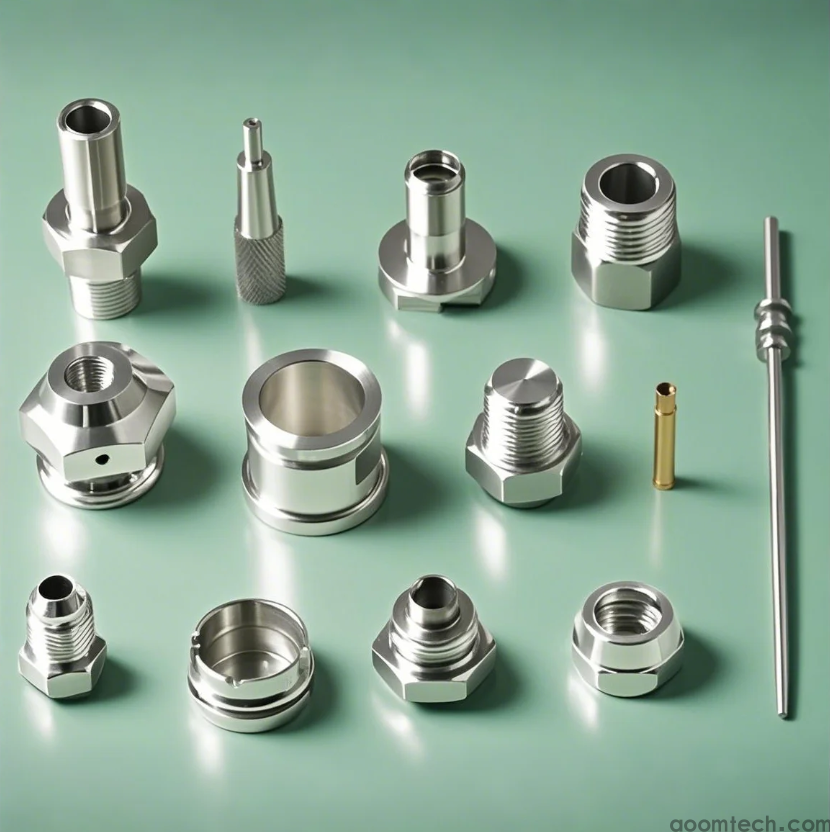
What is Small-batch CNC Machining?
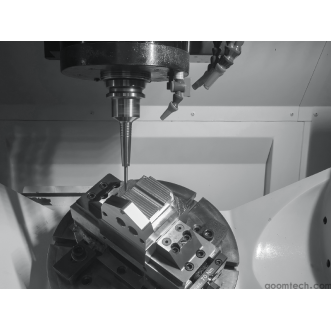
Small-batch CNC machining refers to producing a limited number of mechanical parts using computer-controlled machines such as CNC mills and CNC lathes. It is commonly used when full-scale mass production is not needed or not yet ready.
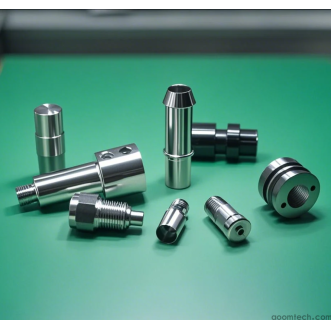
Typical use cases include product development, spare parts manufacturing, industrial testing, and customized mechanical components.
Advantages of Small-batch Production
Small-batch manufacturing offers several practical benefits for engineers, designers, and businesses:
Lower initial cost: No need for expensive molds or large-scale tooling systems.
Faster development: Ideal for prototypes and design testing.
Design flexibility: Easy to modify designs between production runs.
Reduced risk: Lower financial risk compared to mass production.
Custom manufacturing: Suitable for special or one-off mechanical parts.
These advantages make small-batch production a preferred solution for startups, engineering teams, and specialized industries.
Material Selection for Small-batch CNC Mechanical Parts
Choosing the right material is one of the most important steps in Small-batch CNC Machining of Mechanical Parts. The material affects machining speed, tool life, cost, and final performance.
Common materials include:
Aluminum: Lightweight, easy to machine, and cost-effective. Widely used for prototypes and structural parts.
Brass: Excellent machinability and good corrosion resistance. Often used in fittings and precision components.
Stainless Steel: Strong, durable, and corrosion-resistant, but harder to machine and requires more robust tooling.
For better results, engineers often use the keyword focus: material selection for small-batch CNC mechanical parts to balance performance, cost, and machining efficiency.
Process Optimization for Small-batch CNC Production
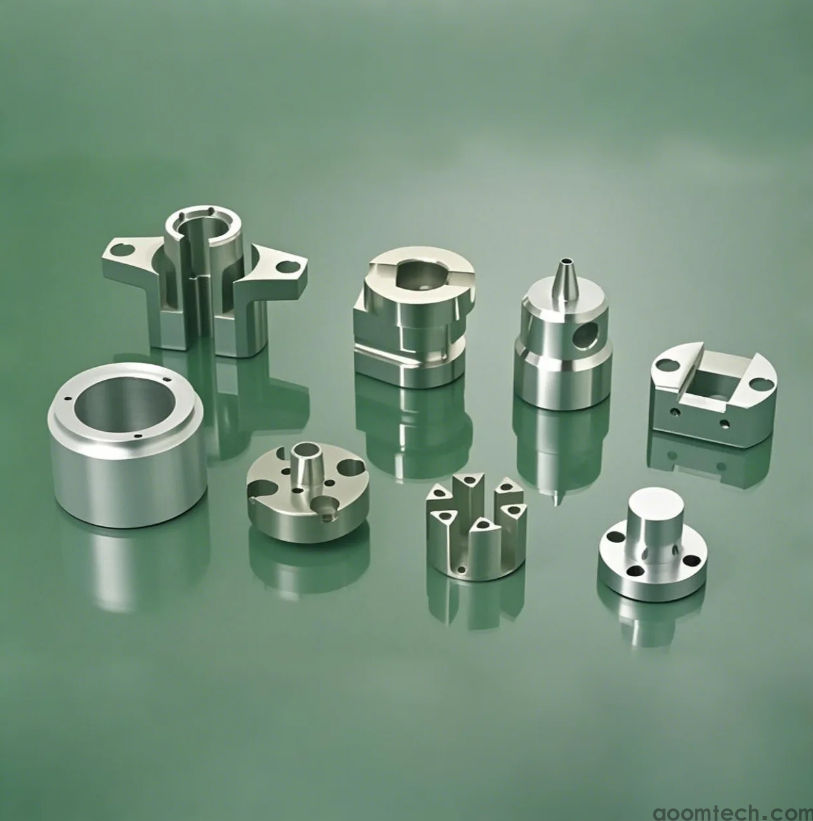
Efficiency is critical in small-batch work because setup time can represent a large portion of total production cost. Good planning helps reduce waste and improve turnaround time.
Key strategies for process optimization for small-batch CNC mechanical parts include:
Efficient machine setup: Use standardized fixtures and quick-change tooling systems to reduce setup time.
Batch grouping: Group similar parts to reduce repeated tool changes and calibration.
Digital simulation: Use CAM software to test toolpaths before machining.
Reduced repositioning: Design machining steps to minimize part flipping and re-clamping.
Modern CNC systems from manufacturers like , , and support fast setup features that are especially useful for small-batch production environments.
Tooling in Small-batch CNC Machining of Mechanical Parts
Tool selection has a direct impact on quality, cost, and machining time. Since small batches often involve frequent changeovers, tooling must be both flexible and durable.
Important tooling considerations include:
End mills: Used for general milling operations, available in carbide for longer life.
Drills: Essential for hole-making operations, must match material hardness.
Turning tools: Used in CNC lathes for cylindrical parts.
Coated tools: Titanium nitride (TiN) or similar coatings extend tool life and reduce friction.
Effective tooling in small-batch CNC machining of mechanical parts also includes monitoring tool wear closely, since worn tools can quickly affect precision in short production runs.
Tool manufacturers such as provide advanced tooling systems designed for high precision and long service life.
Programming Techniques for Better Efficiency
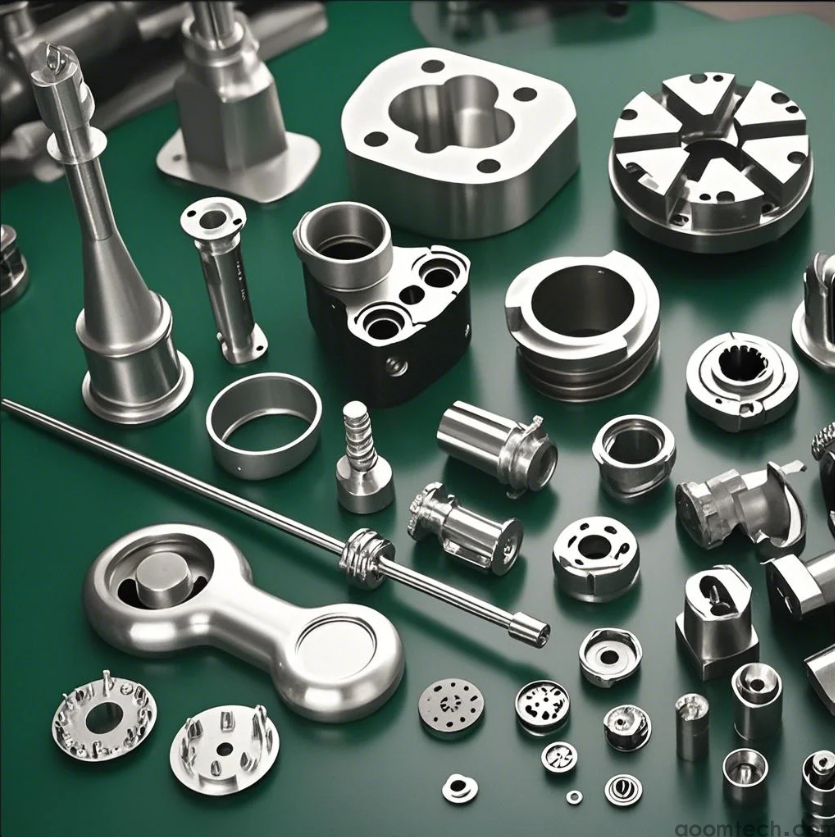
CNC programming plays a major role in reducing waste and improving productivity. For small batches, programs must be flexible and easy to adjust.
Best practices include:
Optimized toolpaths: Reduce unnecessary movement to shorten machining time.
Parametric programming: Allows quick changes for different part sizes or designs.
Simulation before machining: Prevents errors and reduces material waste.
Standardized templates: Reuse proven programs for similar parts.
Good programming ensures stable quality and supports faster turnaround in Small-batch CNC Machining of Mechanical Parts.
Quality Control in Small-batch CNC Production
Even in small batches, quality control is essential. Since each part may be unique or part of a prototype, precision errors can have a major impact.
Key methods for quality control in small-batch CNC mechanical part machining include:
In-process inspection: Checking dimensions during machining instead of only after completion.
First-article inspection: Testing the first produced part before continuing the batch.
Coordinate measuring machines (CMM): Used for high-precision measurement.
Visual inspection: Checking surface finish, burrs, and defects.
These steps help ensure consistency even when production volume is low and design changes are frequent.
Common Challenges and Practical Solutions
Small-batch machining has unique challenges:
High setup cost per part: Solved by reducing setup time and using modular fixtures.
Frequent design changes: Managed through flexible CNC programming.
Tool wear variation: Controlled by regular inspection and tool life tracking.
By applying structured process control, manufacturers can maintain both efficiency and quality even in low-volume production.
Conclusion
Small-batch CNC Machining of Mechanical Parts is a practical and flexible manufacturing solution for modern industries. It bridges the gap between design and mass production, allowing faster innovation and lower risk.
By carefully selecting materials, optimizing processes, choosing the right tooling, and applying strict quality control, manufacturers can achieve high precision and cost efficiency even in small production runs.
As digital manufacturing technologies continue to improve, small-batch CNC machining will remain a key method for producing reliable and customized mechanical parts across many industries.
 Process of Custom High-Precisi
 CNC Machining Parameter Settin
 5 Key Tips for CNC Machining o
 Small-batch Precision Parts 5-