


CNC Machining Plastic Parts
CNC machining is widely used to produce precise and high-quality plastic components for industries such as automotive, medical, electronics, and consumer products. Compared to metal machining, plastics behave very differently during cutting. Understanding these differences is important to avoid defects like melting, warping, or cracking.
This article explains the key points of CNC Machining Plastic Parts, including material selection, machining methods, tooling, and finishing processes. It is written in simple language to help engineers, designers, and beginners understand real-world machining challenges and solutions.
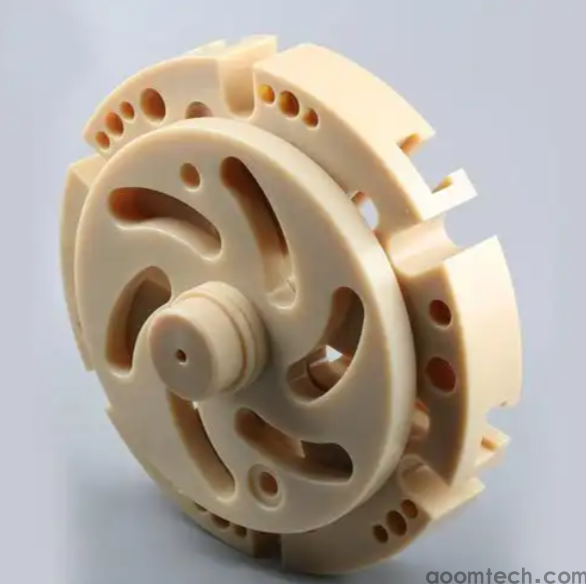
1. Understanding Plastic Materials in CNC Machining
Plastics are widely used because they are lightweight, corrosion-resistant, and cost-effective. However, each plastic type reacts differently during machining. Some are soft and easy to cut, while others are brittle and may crack.
Common Characteristics of Plastics
Low melting point: Heat can quickly deform the material during machining.
Brittleness: Some plastics may crack instead of cutting cleanly.
Thermal expansion: Size can change with temperature, affecting precision.
Soft cutting behavior: Improper tools can cause smearing or rough edges.
Because of these properties, machining plastics requires careful control of cutting conditions.
2. Plastic Material Selection for CNC Machining
Choosing the right material is one of the most important steps in production. The keyword plastic material selection for CNC machining plays a key role in achieving good performance and durability.
Common Engineering Plastics
ABS: Strong, impact-resistant, widely used for housings and covers.
Acrylic (PMMA): Highly transparent, used for display parts and light covers.
Polycarbonate (PC): Very strong and impact-resistant, used in safety components.
PTFE (Teflon): Excellent chemical resistance, used in seals and insulation parts.
Nylon (PA): Good wear resistance, used for gears and mechanical parts.
For example, ABS is often selected for functional parts that need strength, while acrylic is chosen when transparency is required. Polycarbonate is preferred when impact resistance is critical.
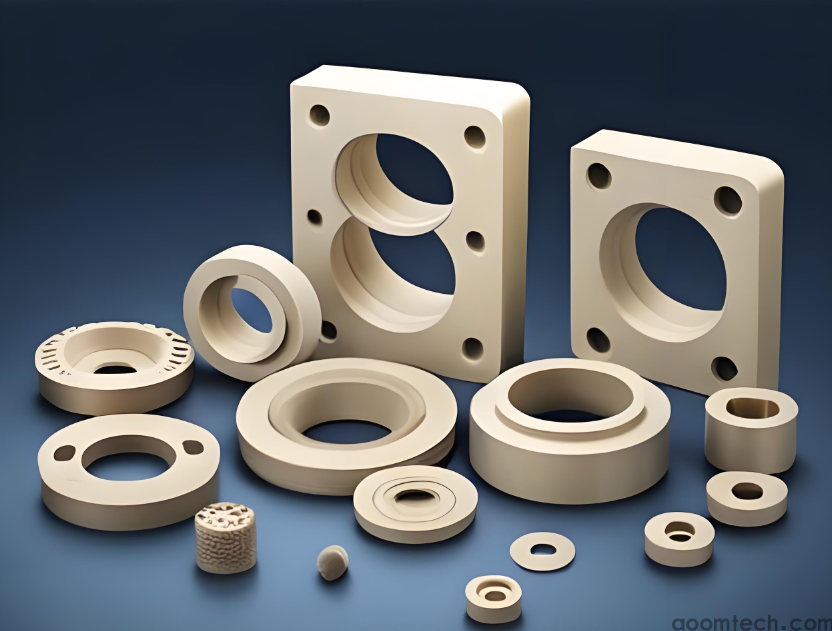
3. CNC Machining Processes for Plastic Parts
Plastic parts are commonly produced using CNC milling, turning, and drilling. Each process must be adjusted carefully to avoid heat buildup and deformation.
CNC Milling
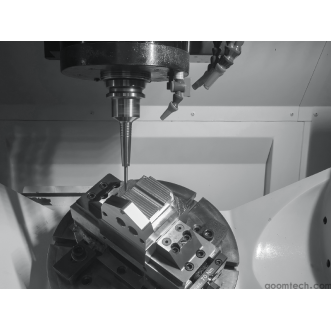
Milling is used for flat surfaces, complex shapes, and 3D profiles. High spindle speed and light cutting depth are usually recommended to reduce stress on the material.
CNC Turning
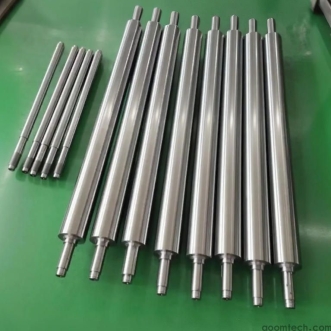
Turning is used for cylindrical plastic parts such as bushings and rollers. Smooth tool movement helps prevent vibration and cracking.
CNC Drilling
Drilling plastics requires careful feed control. Too much pressure can cause cracking or melting around the hole.
Machining Parameters for Plastic CNC Parts
The keyword machining parameters for plastic CNC parts is critical because incorrect settings can easily damage the part.
High spindle speed: Helps create clean cuts but must be balanced to avoid heat buildup.
Moderate feed rate: Prevents friction and melting.
Shallow depth of cut: Reduces stress and avoids deformation.
Sharp tool engagement: Ensures smooth cutting instead of pushing material.
In general, plastics require faster cutting speeds but lighter cutting forces compared to metals.
4. Tooling for CNC Plastic Part Machining
Tool selection has a major impact on quality. The keyword tooling for CNC plastic part machining refers to choosing tools that reduce heat and improve surface finish.
Recommended Tool Features
Sharp cutting edges: Reduce friction and heat generation.
Polished flutes: Help remove chips smoothly.
Single or double flute tools: Improve chip evacuation in soft materials.
Carbide tools: Provide durability and maintain sharpness longer.
Dull tools are a major problem in plastic machining. They increase heat, cause melting, and leave rough surfaces.
5. Preventing Heat and Deformation
One of the biggest challenges in CNC machining plastic parts is heat control. Since plastics have low melting points, even small temperature increases can cause deformation.
Practical Solutions
Use air cooling instead of liquid coolant when possible to avoid chemical reactions.
Maintain sharp tools to reduce friction heat.
Avoid long continuous cuts; use step machining strategies.
Ensure proper chip removal to prevent heat buildup in the cutting zone.
Good heat management improves both dimensional accuracy and surface quality.
6. Post-Machining of CNC-Machined Plastic Parts
After machining, plastic parts often require additional finishing. The keyword post-machining of CNC-machined plastic parts refers to these important finishing steps that improve appearance and performance.
Common Post-Processing Methods
Deburring: Removes sharp edges and small plastic residues from cutting.
Polishing: Improves surface smoothness and transparency, especially for acrylic parts.
Cleaning: Removes dust, chips, and oil before assembly or shipping.
Surface inspection: Ensures no cracks, burns, or deformation are present.
For example, acrylic display parts often require polishing to achieve a clear, glass-like finish.
7. Quality Control in Plastic CNC Machining
Quality control is essential to ensure parts meet design requirements. Plastics are sensitive to temperature and pressure changes, so inspection must be careful.
Key Inspection Points
Dimensional accuracy (checking for shrinkage or expansion)
Surface finish quality
Edge condition (no cracks or burns)
Hole accuracy and alignment
In-process inspection is often used to detect problems early and reduce waste.
8. Conclusion
CNC Machining Plastic Parts requires a clear understanding of material behavior, proper tool selection, and carefully controlled machining parameters. Plastics may seem easy to machine, but their sensitivity to heat and stress makes process control very important.
By selecting the right material, using sharp tools, optimizing cutting conditions, and applying proper finishing methods, manufacturers can produce high-quality plastic parts with excellent precision and surface quality.
Following best practices in plastic machining ensures better performance, lower waste, and more reliable production results across different industries.
 Process of Custom High-Precisi
 CNC Machining Parameter Settin
 5 Key Tips for CNC Machining o
 Small-batch Precision Parts 5-