


CNC Machining Prototype Service
A CNC Machining Prototype Service plays an important role in modern product development. It helps engineers, designers, and companies turn digital ideas into real physical parts. These prototype parts are used to test design, check function, and improve products before mass production.
For many industries such as automotive, electronics, medical devices, and consumer products, prototyping reduces risk and saves cost by finding problems early.
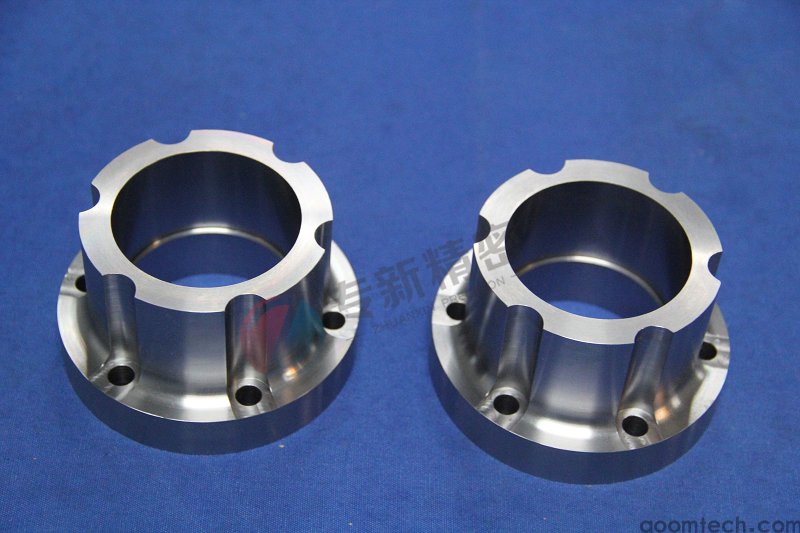
Why CNC Machining Prototype Service is Important
In product development, a design on a computer screen is not enough. Real-world testing is necessary. A CNC prototype allows teams to:
Validate product design and geometry
Test mechanical function and fit
Identify design errors before mass production
Improve performance and durability
Compared with 3D printing, CNC machining often provides stronger parts, better surface finish, and higher precision, which is important for functional testing.
Key Factors When Choosing a CNC Machining Prototype Service
When selecting a provider, it is important to consider several practical factors. This ensures your prototype meets expectations in quality, cost, and delivery time.
1. Industry Experience
A reliable provider should have experience in different industries such as aerospace, automotive, electronics, and medical devices. This helps them understand different performance and precision requirements.
2. Material Capability
A good service should work with a wide range of prototype materials, such as:
Aluminum (lightweight, easy to machine, widely used)
Plastics (ABS, POM, PC for functional testing)
Resin (for visual models or low-stress prototypes)
Stainless steel (for strength testing)
Materials for CNC machining prototype should be selected based on function, strength, and cost.
3. Precision and Tolerance
Typical CNC prototype machining can achieve tolerances around:
±0.1 mm for general prototypes
±0.05 mm for medium precision parts
±0.01 mm for high-precision components
Higher precision usually increases cost and production time.
4. Communication and Support
Fast response, engineering support, and clear communication are important, especially when design changes are needed during development.
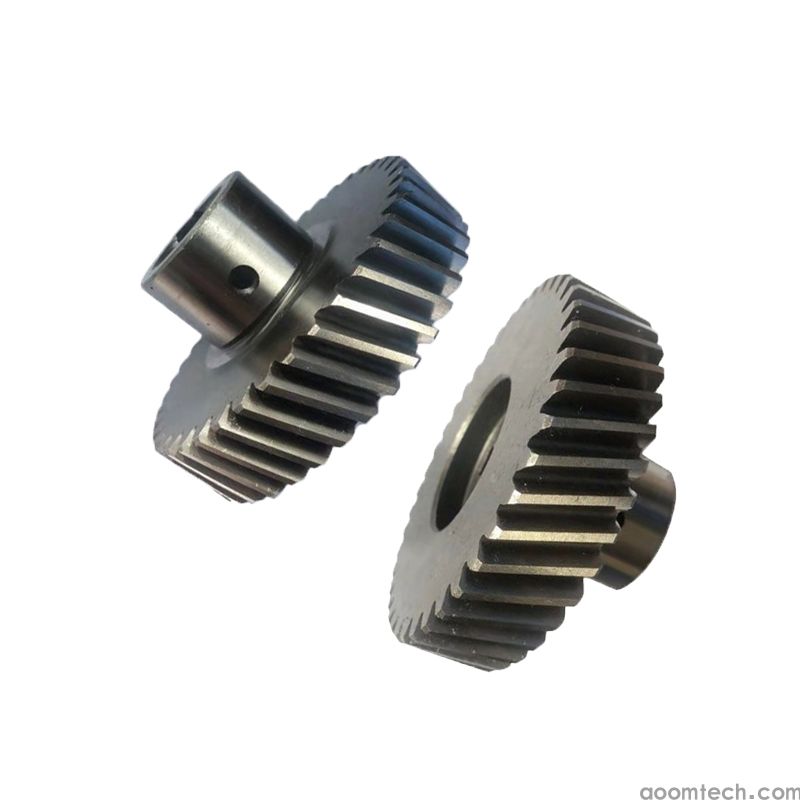
Process of CNC Machining Prototype Service
The process of CNC machining prototype service usually follows a clear workflow from digital design to finished part.
Step 1: CAD Design Input
The process begins with a CAD file (Computer-Aided Design). This file defines the shape, dimensions, and technical requirements of the part.
Step 2: CAM Programming
Engineers convert CAD data into machine instructions using CAM software. Tool paths, cutting speed, and feed rate are defined at this stage.
Step 3: CNC Machining
The CNC machine produces the prototype using processes such as:
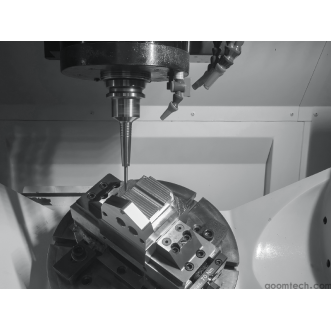
Milling – for complex shapes and flat surfaces
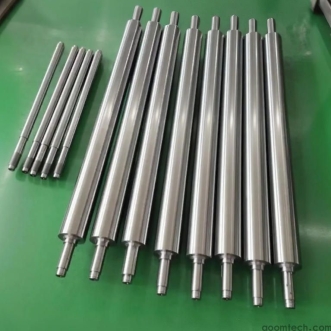
Turning – for cylindrical parts
Drilling – for precise holes
The machine removes material layer by layer until the final shape is achieved.
Step 4: Post-Machining Treatment
After machining, parts may require finishing processes such as:
Sanding to remove tool marks
Polishing for smooth surface finish
Painting or anodizing for appearance and protection
Deburring to remove sharp edges
Cost Factors in CNC Machining Prototype Service
The cost of prototypes depends on several important factors. Understanding these helps in better budget planning.
Design complexity: More complex shapes require longer machining time
Material type: Metals like stainless steel cost more than plastics
Tolerance requirements: Higher precision increases machining time and inspection effort
Quantity: Single prototypes are more expensive per unit than small batches
Surface finishing: Additional treatments increase final cost
Balancing cost and performance is key when planning prototypes for testing.
Best Practices for Better Prototype Results
Keep design files simple and optimized for machining
Select materials based on real product conditions
Communicate clearly with the machining provider
Test multiple iterations if needed
Conclusion
A reliable CNC Machining Prototype Service is essential for turning ideas into real, testable products. It helps reduce development risks, improve design quality, and speed up time to market.
By carefully considering experience, materials, precision, and cost factors, businesses can choose the right partner and achieve better product development results.
References (Industry Standards & Knowledge Sources)
ASME Y14.5 Geometric Dimensioning and Tolerancing Standard
ISO 2768 General Tolerances for Machined Parts
Manufacturing Engineering and CNC Machining Best Practices (industry handbook knowledge)
 Process of Custom High-Precisi
 CNC Machining Parameter Settin
 5 Key Tips for CNC Machining o
 Small-batch Precision Parts 5-