


Custom CNC Machining Service for Precision Automotive Molds
Introduction to Custom CNC Machining for Precision Automotive Molds
Precision automotive molds are essential tools in the automotive manufacturing industry. These molds are used to produce a wide range of vehicle parts, including car bumpers, dashboards, interior panels, and even certain engine components. The quality of these molds directly affects the accuracy, consistency, and durability of the final automotive parts.
A Custom CNC Machining Service for Precision Automotive Molds plays a key role in producing these high-performance molds. By using computer-controlled machines, manufacturers can create highly accurate and customized mold designs that meet strict automotive industry standards.
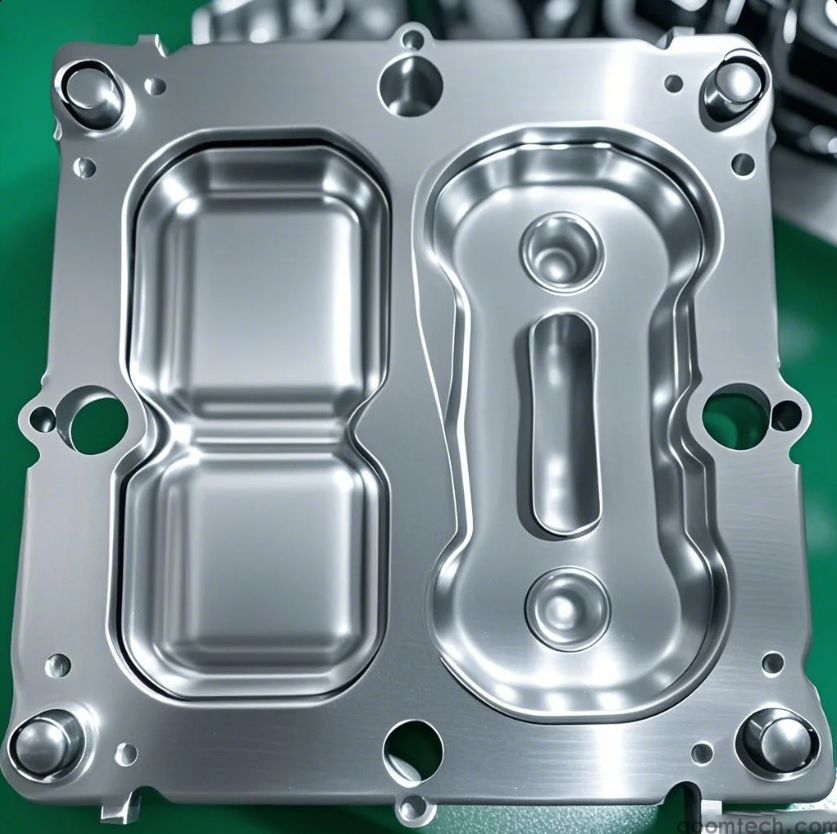
The Role of Precision Automotive Molds
Precision automotive molds are the foundation of mass vehicle production. Every car on the road contains parts that were formed using molds. These molds ensure that each component is identical in shape and performance.
For example, car bumpers require smooth aerodynamic surfaces, dashboards need complex ergonomic shapes, and engine covers must meet strict dimensional accuracy. Without high-quality molds, these parts would not fit or function correctly.
Importance of Custom CNC Machining for Automotive Molds
High Precision
One of the most important benefits of CNC technology is high precision. CNC machines can achieve extremely tight tolerances, which is critical for mold making. Even a small deviation in a mold can lead to defects such as gaps, uneven surfaces, or poor assembly in automotive parts.
The computer-controlled process ensures consistent accuracy from the first cut to the final finishing stage, reducing human error and improving overall quality.
Complex Geometries
Automotive designs are becoming more advanced and aerodynamic, which requires molds with highly complex shapes. Multi-axis CNC machining makes it possible to produce intricate curves, deep cavities, and undercut features that are difficult or impossible to achieve with traditional methods.
For instance, sports car body panels often require smooth, flowing surfaces that must be precisely replicated in the mold structure.
Customization
Customization is another key advantage of CNC machining. Automotive manufacturers often need unique mold designs for branding, performance, or aesthetic purposes. CNC machines can engrave logos, create special textures, and produce custom structural designs with high accuracy.
This flexibility helps automotive brands differentiate their products and improve product value in a competitive market.
The Custom CNC Machining Process for Precision Automotive Molds
Design and Engineering
The process begins with detailed design and engineering. Automotive companies usually provide CAD models or technical drawings. Engineers review these designs to ensure they are suitable for manufacturing.
During this stage, important factors such as draft angles, wall thickness, and ejection systems are optimized. Clear communication between the customer and machining service is essential to avoid costly design errors.
Material Selection
Material selection plays a critical role in mold performance and lifespan. Common materials include tool steel, aluminum, and specialized alloys.
Tool steel: High hardness and wear resistance, ideal for long production runs.
Aluminum: Lightweight and offers excellent thermal conductivity, suitable for prototyping or low-volume molds.
Special alloys: Used in advanced applications requiring specific performance characteristics.
CNC Machining Operations
Several machining operations are involved in mold manufacturing:
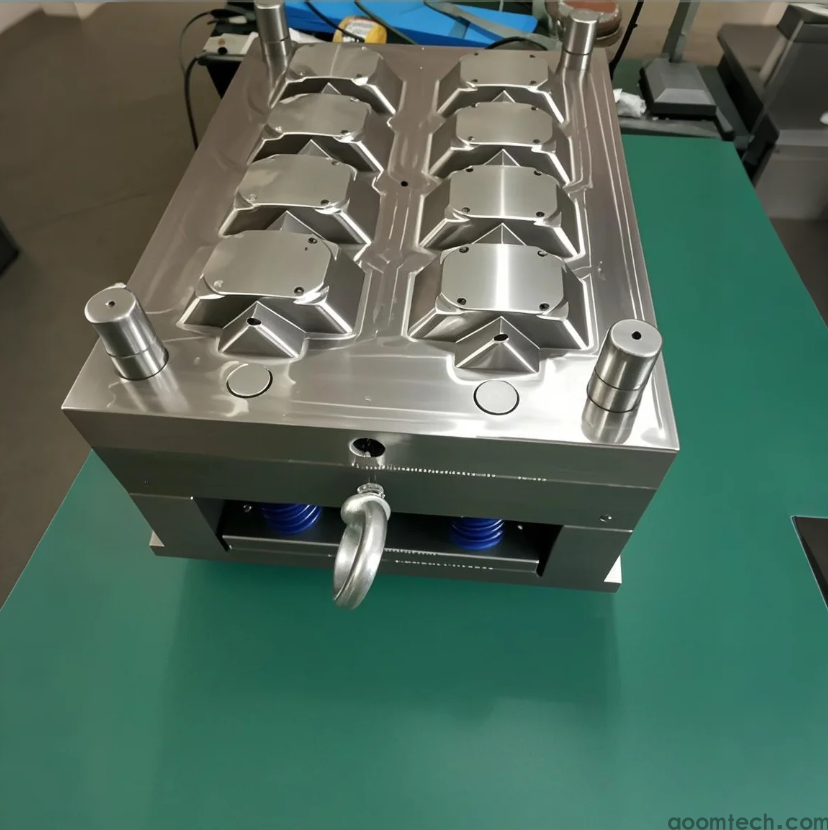
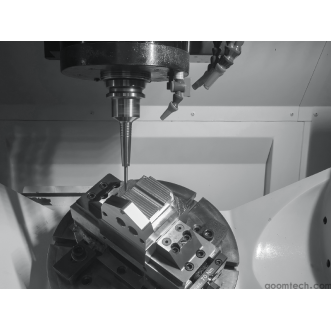
Milling: Used to create the main mold cavity and overall shape.
Drilling: Used for cooling channels, ejector pins, and assembly holes.
EDM (Electrical Discharge Machining): Used for deep, complex, or hard-to-reach areas.
Proper tool selection and machining parameters are essential to ensure a smooth surface finish and precise dimensions.
Heat Treatment and Surface Finishing
After machining, heat treatment is applied to improve hardness, strength, and durability. This step ensures the mold can withstand repeated production cycles without deformation.
Surface finishing processes such as polishing, plating, and texturing are also important. Polishing improves part release, plating enhances corrosion resistance, and texturing creates specific surface effects on final automotive parts.
Quality Assurance in CNC Machining of Precision Automotive Molds
In-Process Inspection
Quality control begins during the machining process. Engineers use advanced measurement tools such as Coordinate Measuring Machines (CMM), optical comparators, and surface testers to monitor accuracy.
Regular inspections help detect errors early, such as incorrect cavity depth or misaligned cooling channels, reducing waste and production risks.
Final Inspection and Testing
Once the mold is completed, it undergoes final inspection and functional testing. This includes dimensional checks, surface quality evaluation, and test molding runs.
If any issues are found, adjustments or re-machining may be required to ensure the mold meets strict automotive standards.
How to Choose a Custom CNC Machining Service for Precision Automotive Molds
Experience and Expertise
When selecting a provider, experience in automotive mold manufacturing is essential. A reliable company should have a proven track record in producing high-quality molds for the automotive industry.
Reviewing case studies, client references, and past projects can help evaluate their expertise and reliability.
Equipment and Technology
Advanced equipment is a key factor in mold quality. A professional service should have multi-axis CNC machines, EDM systems, and modern CAD/CAM software.
Well-maintained and updated equipment ensures better accuracy, faster production, and improved surface quality.
Cost-Effectiveness and Delivery
While cost is important, it should not be the only consideration. A low-cost service may compromise quality or delivery time. It is better to evaluate overall value, including material quality, technical capability, and after-sales support.
On-time delivery is especially important in the automotive industry, where production schedules are strict and delays can be costly.
Conclusion
The Custom CNC Machining Service for Precision Automotive Molds is a critical part of modern automotive manufacturing. It ensures high precision, supports complex geometries, and enables full customization for advanced vehicle designs.
Understanding the importance of custom CNC machining for automotive molds, the process of custom CNC machining for precision automotive molds, and the key factors in choosing a custom CNC machining service for automotive molds helps manufacturers make better decisions and achieve higher production quality.
 Process of Custom High-Precisi
 CNC Machining Parameter Settin
 5 Key Tips for CNC Machining o
 Small-batch Precision Parts 5-