


What Materials Can Be Machined with a CNC Mill
CNC milling is one of the most flexible and widely used manufacturing processes in modern industry. It allows manufacturers to shape and cut many different materials with high precision using computer-controlled cutting tools. Understanding What Materials Can Be Machined with a CNC Mill is essential for engineers, designers, and buyers who want to choose the right material for performance, cost, and durability.
Introduction to CNC Mill Machinable Materials
Versatility of CNC Mills
CNC mills are highly versatile machines that can process a wide range of materials, from soft plastics to hard metals. This flexibility makes them important in industries such as automotive, aerospace, electronics, medical devices, and consumer products.
For example, automotive engines often use milled aluminum parts to reduce weight and improve efficiency. In aerospace, titanium components are machined for their strength and heat resistance. In electronics, plastic housings and metal frames are commonly produced using CNC milling for precision and repeatability.
Metallic Materials for CNC Mill Machining
Aluminum and Its Alloys
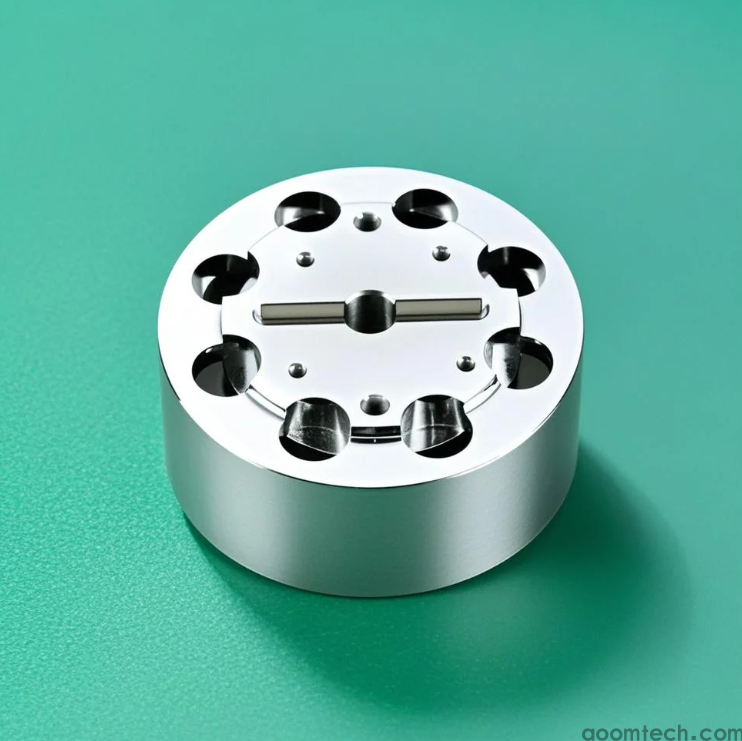
Aluminum is one of the most commonly used materials in CNC milling. It is lightweight, corrosion-resistant, and has excellent thermal conductivity. These properties make it ideal for high-performance and cost-efficient manufacturing.
Popular aluminum alloys such as 6061 and 7075 are widely used in aerospace, automotive, and consumer electronics. Aluminum is relatively easy to machine, producing smooth chips and allowing fast cutting speeds. However, proper coolant use is important to prevent heat buildup and tool wear.
Typical applications include engine components, aircraft structural parts, laptop casings, and automotive brackets.
Steel
Steel is another major category in metallic materials for CNC mill machining. It includes carbon steel, alloy steel, and stainless steel, each with different properties and applications.
Carbon steel is cost-effective and easy to machine, making it suitable for general mechanical parts. Alloy steel contains elements such as chromium and nickel, improving strength and hardness for high-stress applications. Stainless steel is widely used for its corrosion resistance in medical, food processing, and marine environments.
Machining steel requires strong cutting tools, controlled speeds, and proper cooling due to its hardness and toughness.
Titanium and Its Alloys
Titanium is a high-performance material known for its strength, low weight, and excellent corrosion resistance. It is commonly used in aerospace, medical implants, and military components.
However, titanium is more difficult to machine because of its low thermal conductivity and high strength. Heat tends to concentrate at the cutting edge, increasing tool wear. Therefore, special carbide tools, optimized cutting speeds, and efficient cooling systems are required.
Examples include turbine blades, aircraft engine components, and orthopedic implants.
Non-Metallic Materials Machined by CNC Mill
Plastics
Plastics are widely used in CNC milling due to their versatility and ease of processing. Common types include acrylic, polycarbonate, and nylon.
Acrylic is transparent and often used for displays and signage. Polycarbonate is strong and impact-resistant, suitable for protective covers and electronic components. Nylon is durable and wear-resistant, making it ideal for mechanical parts.
When machining plastics, heat control is important because excessive temperature can cause melting or deformation. Lower cutting speeds and proper tool selection help maintain quality.
Wood
Wood is another common material used in CNC milling, especially in furniture, cabinetry, and decorative products. CNC technology allows for highly detailed and precise wooden designs that are difficult to achieve manually.
However, wood properties such as grain direction, moisture content, and density can affect machining results. Selecting the right cutting tools and adjusting feed rates are important for clean finishes and accurate cuts.
Composites
Composite materials such as carbon-fiber-reinforced plastics (CFRP) and fiberglass-reinforced plastics (GFRP) are widely used in aerospace, automotive, and marine industries.
These materials combine strength, lightweight properties, and corrosion resistance. However, they are challenging to machine because improper cutting can cause delamination or fiber damage. Sharp tools, controlled feed rates, and optimized speeds are essential for high-quality results.
Factors Affecting CNC Mill Material Machinability
Material Hardness
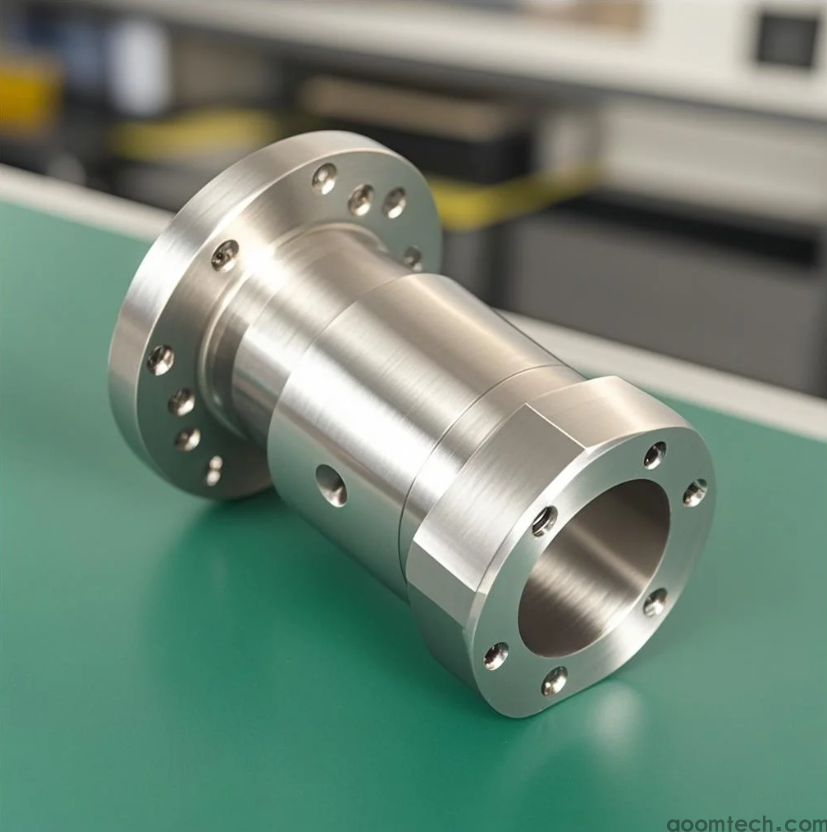
Hardness is one of the most important factors affecting CNC mill material machinability. Harder materials such as titanium and hardened steel require stronger cutting tools and slower machining speeds, while softer materials like aluminum and plastics are easier to process.
Carbide tools are often used for harder materials because they provide better wear resistance and durability.
Thermal Properties
Thermal conductivity and heat resistance also play a major role in machining performance. Materials like titanium generate heat at the cutting zone because they do not dissipate heat quickly.
To control heat, manufacturers use coolants, adjust cutting speeds, and optimize tool paths. Proper heat management improves tool life and ensures dimensional accuracy.
Conclusion
Understanding What Materials Can Be Machined with a CNC Mill helps engineers and manufacturers select the right material for each application. CNC milling can process a wide range of metals, plastics, wood, and composite materials, each with unique advantages and challenges.
By considering material properties such as hardness, thermal behavior, and machinability, manufacturers can achieve better performance, higher precision, and lower production costs. This knowledge is essential for making reliable and efficient manufacturing decisions in modern industries.
 Process of Custom High-Precisi
 CNC Machining Parameter Settin
 5 Key Tips for CNC Machining o
 Small-batch Precision Parts 5-