


Non-standard Precision CNC Machining Manufacturer
Introduction to Non-standard Precision CNC Machining Manufacturers
The Significance of Non-standard Precision Machining
Non-standard precision CNC machining plays a critical role in modern manufacturing industries where standard parts cannot meet complex design requirements. Many industries such as aerospace, medical devices, robotics, automotive engineering, and high-tech electronics require components with unique shapes, tight tolerances, and high performance standards.
A Non-standard Precision CNC Machining Manufacturer specializes in producing customized parts that are not available in mass production catalogs. These manufacturers use advanced CNC systems to turn complex engineering designs into real, functional components.
For example, in aerospace applications, turbine blades, structural brackets, and engine components often require complex 3D geometries and extreme precision. In the medical field, surgical instruments and implant components demand both accuracy and biocompatibility. These are not standard parts, and they require highly specialized machining capabilities.
Key Attributes of a Good Manufacturer
Advanced Equipment
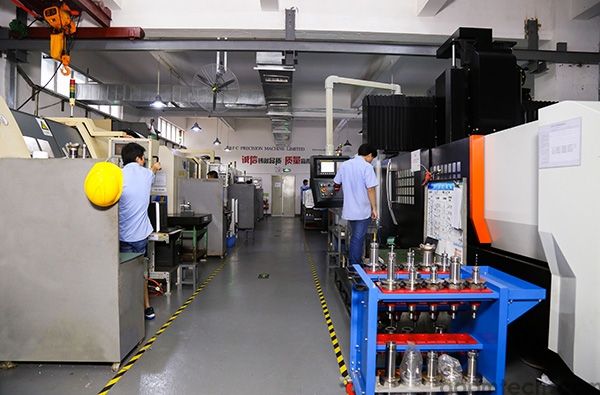
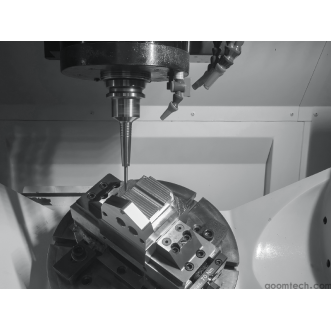
One of the most important factors when evaluating a manufacturer is the advanced equipment of non-standard precision CNC machining manufacturers. High-end CNC machines, especially 5-axis and multi-axis machining centers, are essential for producing complex parts in fewer setups.
Key equipment features to evaluate include:
Number of CNC axes (3-axis, 4-axis, 5-axis or more)
Spindle speed and cutting power
Machine positioning accuracy and repeatability
Machine age, maintenance schedule, and calibration records
A 5-axis CNC machine, for example, can process multiple surfaces of a part in a single setup. This reduces repositioning errors, improves precision, and increases production efficiency. Modern high-speed machining centers also allow better surface finish quality and tighter tolerances.
Technical Expertise
Strong engineering capability is another essential requirement. The technical expertise in non-standard precision CNC machining manufacturing determines whether complex designs can be successfully produced.
Experienced engineers and CNC programmers must understand:
Advanced CNC programming (G-code, CAM software)
Material behavior during machining
Tool selection and cutting strategies
Thermal deformation and tolerance control
Skilled technicians can optimize machining paths to reduce production time while maintaining precision. They can also solve unexpected manufacturing challenges such as tool wear, vibration, or deformation of thin-walled parts.
Quality Assurance
A strong quality assurance in non-standard precision CNC machining manufacturing system ensures that every part meets strict technical requirements before delivery.
Reliable manufacturers typically implement:
In-process inspection during machining
Final quality inspection before shipment
Statistical process control (SPC)
Documented inspection reports for each batch
Advanced measurement tools are commonly used, including Coordinate Measuring Machines (CMM), optical comparators, height gauges, and surface roughness testers. ISO 9001 certification is also a strong indicator of a stable and controlled quality system.
The Manufacturing Process in Non-standard Precision CNC Machining
Design and Consultation
The process usually begins with design review and technical consultation. Customers provide CAD drawings or conceptual requirements. The manufacturer then analyzes the design for manufacturability and may suggest improvements.
For example, sharp internal corners may be redesigned to improve tool access and reduce machining stress. This collaboration ensures better performance, lower cost, and higher production reliability.
Material Selection and Procurement
Material selection is a key step in precision manufacturing. The choice depends on application requirements such as strength, corrosion resistance, temperature resistance, and wear performance.
Common materials include aluminum alloys, stainless steel, titanium, copper, and engineering plastics. In medical applications, biocompatible materials are required, while aerospace components often use titanium alloys due to their strength-to-weight ratio.
After selection, manufacturers ensure proper sourcing and perform incoming material inspection to verify composition and quality.
CNC Machining Operations
The actual machining process includes multiple operations such as milling, turning, drilling, grinding, and EDM (Electrical Discharge Machining).
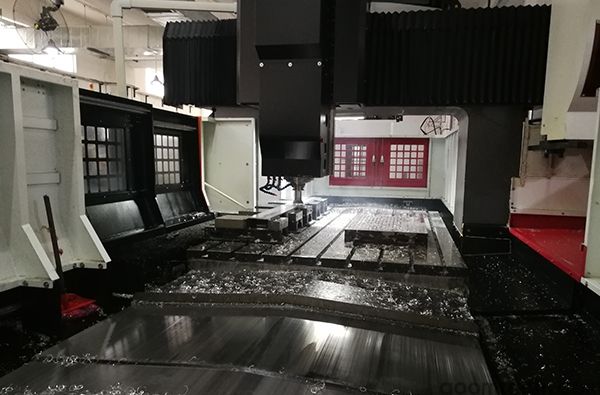
For complex parts, multi-axis CNC milling is commonly used. Advanced toolpath strategies help achieve smooth surfaces and tight tolerances. Cutting tools are selected based on material type, hardness, and geometry requirements.
Key machining parameters such as feed rate, spindle speed, and cutting depth must be carefully controlled to ensure dimensional accuracy and surface quality.
Case Studies of Non-standard Precision CNC Machining Manufacturers
High-Precision Aerospace Component Case
A manufacturer was tasked with producing a non-standard titanium aerospace bracket with extremely tight tolerances and complex curved surfaces. The main challenge was maintaining dimensional stability while machining thin walls.
To solve this, the manufacturer used a 5-axis CNC machine with optimized toolpaths and low-vibration cutting tools. Intermediate inspections were performed after each critical machining stage.
The final result met aerospace-grade tolerances and passed strict fatigue testing. The customer reported improved assembly performance and reduced overall system weight.
How to Choose a Non-standard Precision CNC Machining Manufacturer
Industry Experience
When selecting a manufacturer, industry experience is a key factor. A supplier that has worked in aerospace, medical, or automotive industries is more likely to understand strict regulatory requirements and performance expectations.
Ask for case studies, technical examples, or references from similar projects. This helps verify their real-world capability rather than relying only on promotional claims.
Cost-effectiveness and Delivery
Cost should always be evaluated together with quality and service. The cheapest option is not always the best if it compromises precision or reliability.
A professional manufacturer should offer transparent pricing based on material cost, machining time, complexity, and finishing requirements. Comparing multiple quotations helps identify fair market value.
Delivery time is equally important. Reliable manufacturers provide realistic lead times and maintain stable production schedules, which is critical for industries with strict deadlines.
Conclusion
A reliable Non-standard Precision CNC Machining Manufacturer is more than just a production supplier—it is a technical partner that helps transform complex designs into high-performance parts. By carefully evaluating advanced equipment, technical expertise, quality systems, and industry experience, businesses can significantly reduce production risks and improve product success rates.
Understanding how these manufacturers operate helps buyers make better decisions, avoid costly mistakes, and achieve long-term manufacturing efficiency.
 Process of Custom High-Precisi
 CNC Machining Parameter Settin
 5 Key Tips for CNC Machining o
 Small-batch Precision Parts 5-