


Difficulties in CNC Machining of Chromium Alloy Parts
Introduction to CNC Machining of Chromium Alloy Parts
Chromium alloys are widely used in modern manufacturing because they offer excellent strength, hardness, corrosion resistance, and heat resistance. These properties make them suitable for demanding industries such as aerospace, automotive, energy, and tool making.
For example, in aerospace engineering, chromium alloy parts are often used in engine components that must withstand extreme temperatures and pressure. In automotive systems, they may be used in wear-resistant gears, shafts, and braking components. In industrial tools, chromium alloys help extend service life under heavy mechanical stress.
However, despite their advantages, manufacturers often face many Difficulties in CNC Machining of Chromium Alloy Parts. These challenges come from both the material properties and the machining process itself.
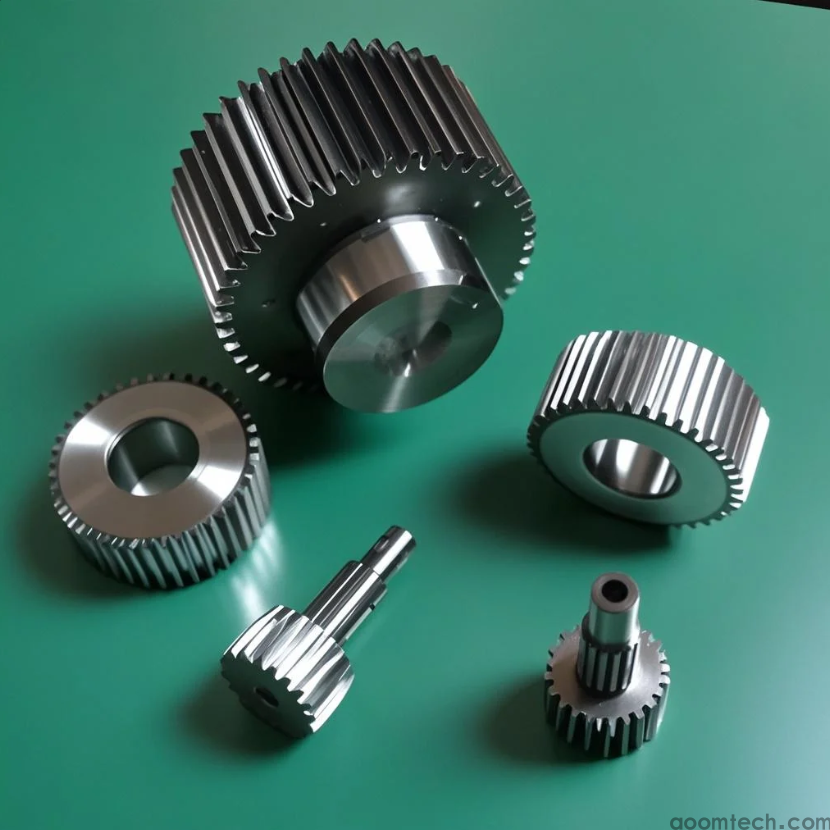
Material-Related Difficulties in Chromium Alloy CNC Machining
High Hardness
One of the biggest challenges is the extremely high hardness of chromium alloys. This hardness causes rapid wear on cutting tools, even when using carbide-tipped tools designed for hard materials.
In many real production environments, tool life can be significantly shorter compared to machining aluminum or mild steel. For example, a cutting tool that might last several hours in aluminum machining may only last a fraction of that time when cutting chromium alloys. This leads to more frequent tool changes, higher production cost, and longer machining time.
Low Thermal Conductivity
Chromium alloys also have relatively low thermal conductivity. This means heat generated during cutting does not spread quickly through the material.
As a result, heat accumulates at the cutting zone, increasing the temperature at the tool-workpiece interface. This can cause tool softening, faster tool wear, and surface damage on the part. In some cases, built-up edge formation occurs, which negatively affects cutting stability and surface quality.
This is a key factor in material-related difficulties in chromium alloy CNC machining, especially for precision components requiring tight tolerances.
Machining Process Challenges in Chromium Alloy Parts
Chip Formation and Evacuation
Chromium alloys often produce long, continuous chips during machining. These chips are difficult to break and remove from the cutting area.
If chips are not properly controlled, they may wrap around the tool or workpiece. This can lead to tool breakage, surface scratches, and unstable machining conditions. Therefore, effective chip control is essential in solving machining process challenges in chromium alloy parts.
Common chip-breaking methods include:
Using tools with built-in chip breakers
Adjusting feed rate and cutting depth
Applying high-pressure coolant systems
High Cutting Forces and Vibration
Because of their hardness, chromium alloys require high cutting forces during machining. These forces can create vibration in the machine tool system.
Vibration reduces surface quality, affects dimensional accuracy, and accelerates tool wear. In severe cases, it can even cause tool failure or machine instability.
To reduce vibration, manufacturers often use rigid tool holders, shorter tool overhangs, and optimized cutting parameters.
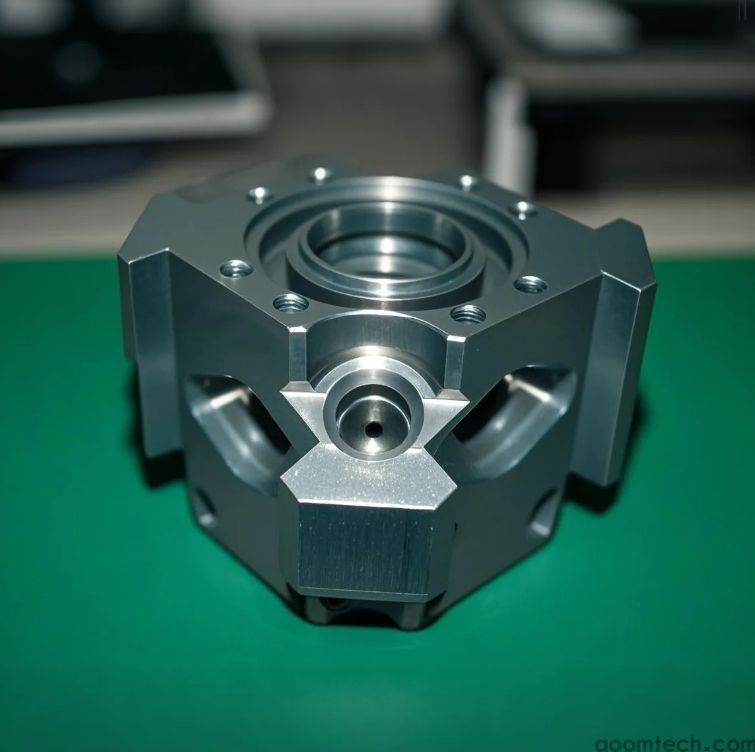
Surface Finish and Dimensional Accuracy Challenges
Surface Integrity Issues
High cutting forces and heat generation can damage the surface of chromium alloy parts. Common defects include micro-cracks, surface burns, and work hardening.
These defects can reduce fatigue strength and corrosion resistance, which are critical in aerospace and industrial applications. In high-performance parts, even small surface defects may lead to long-term failure.
In-process inspection and careful adjustment of machining conditions are important methods for maintaining surface integrity.
Dimensional Accuracy Problems
Maintaining dimensional accuracy is another major challenge. Heat expansion and cutting force deformation can cause small but important deviations in final dimensions.
For precision parts, even a small error can affect assembly or performance. Therefore, manufacturers often use precision measuring systems during and after machining to ensure accuracy.
This is a core issue in achieving high-quality results while dealing with Difficulties in CNC Machining of Chromium Alloy Parts.
Solutions for CNC Machining Chromium Alloy Parts
Tool Selection and Maintenance
Proper tool selection is critical for machining chromium alloys. Due to their hardness and heat resistance, standard tools are often not sufficient.
Recommended tool materials include cubic boron nitride (CBN) and diamond-like carbon (DLC) coated tools. These tools offer better wear resistance and thermal stability.
Regular inspection and timely replacement of tools are also essential to maintain machining stability and product quality.
Machining Parameter Optimization
Optimizing cutting parameters is one of the most effective solutions for CNC machining chromium alloy parts.
Typical strategies include:
Using lower cutting speeds to reduce heat generation
Applying moderate to high feed rates for stable chip formation
Adjusting depth of cut to balance efficiency and tool life
Coolant selection is also important. High-pressure coolant systems can improve chip evacuation and reduce cutting temperature, significantly improving tool life and surface quality.
Conclusion
Chromium alloys offer excellent mechanical and thermal properties, but they also present serious machining challenges. Issues such as high hardness, low thermal conductivity, chip control difficulties, vibration, and dimensional instability all contribute to the overall Difficulties in CNC Machining of Chromium Alloy Parts.
By using advanced cutting tools, optimizing machining parameters, and applying proper cooling and chip control strategies, manufacturers can successfully improve efficiency and achieve high-quality results.
Understanding these challenges is essential for engineers and machinists working with high-performance chromium alloy components in demanding industries.
References (Industry Knowledge Basis)
This article is based on general CNC machining engineering principles, commonly referenced in manufacturing engineering literature such as ASM Handbook series, machining technology textbooks, and industrial CNC best practice guidelines.
 Process of Custom High-Precisi
 CNC Machining Parameter Settin
 5 Key Tips for CNC Machining o
 Small-batch Precision Parts 5-