


Custom CNC Machining Service for Non-Standard Aluminum Alloy Parts
Introduction to Non - Standard Aluminum Alloy Parts
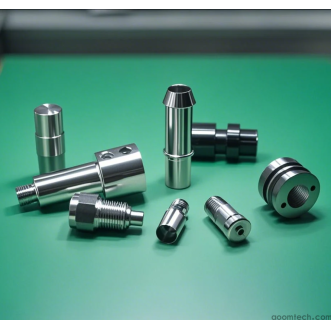
A Custom CNC Machining Service for Non - Standard Aluminum Alloy Parts plays an important role in modern manufacturing industries. Non-standard aluminum alloy parts are specially designed components that are not available as standard, off-the-shelf products. They are created to meet unique design requirements, specific functions, or special working environments.
Aluminum alloys are widely used because they are lightweight, strong, corrosion-resistant, and have excellent thermal conductivity. These properties make them suitable for industries such as aerospace, automotive, electronics, and medical equipment.
For example, in aerospace systems, custom aluminum alloy brackets may be designed to fit limited installation spaces. In electronics, precision aluminum housings help protect sensitive components while improving heat dissipation.
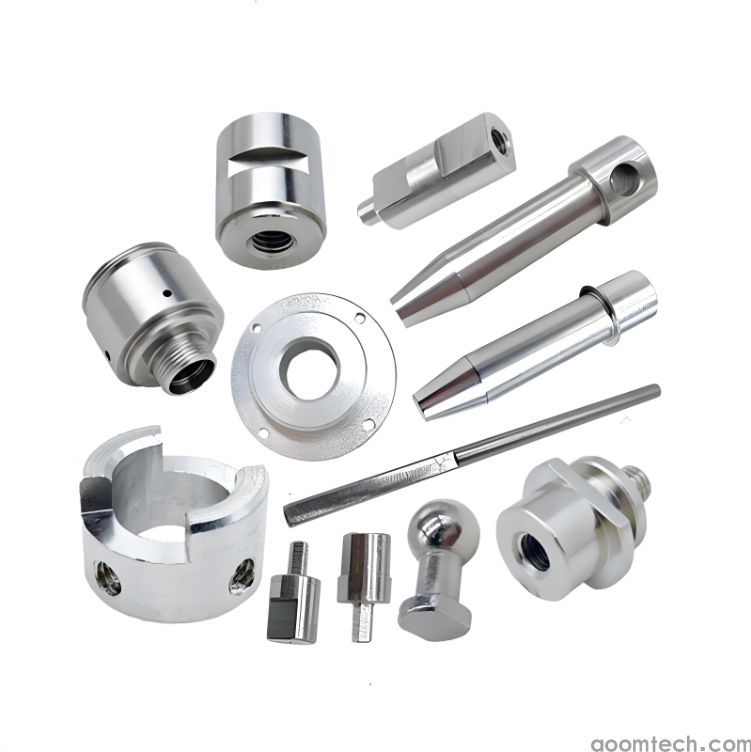
Advantages of Custom CNC Machining for Non-Standard Aluminum Alloy Parts
High Precision
One of the key advantages of custom CNC machining for non-standard aluminum alloy parts is high precision. CNC machines are computer-controlled, which allows manufacturers to produce parts with extremely tight tolerances, often within ±0.01 mm or even finer depending on the application.
This level of accuracy is critical for applications such as electronic connectors, where even small deviations can affect performance or assembly quality. Consistent accuracy also ensures every part in a batch meets the same standard.
Complex Geometry Machining
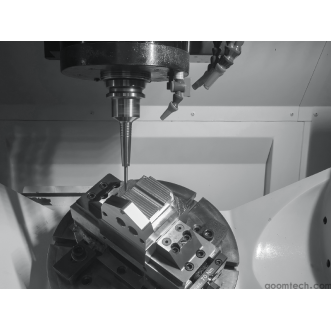
Non-standard aluminum parts often have complex shapes. A Custom CNC Machining Service for Non - Standard Aluminum Alloy Parts can handle these designs using multi-axis CNC machines.
These machines can create intricate curves, deep cavities, undercuts, and detailed surface structures. For example, advanced heat sinks used in high-performance electronics require complex fin structures that can only be efficiently produced using CNC technology.
Full Customization
Customization is another major advantage. Customers can define every detail of the part, including size, shape, tolerance, and surface finish. This flexibility is especially valuable when standard parts cannot meet functional or structural requirements.
Custom CNC machining allows engineers to optimize product performance, reduce assembly complexity, and improve durability in demanding environments.
The Process of Custom CNC Machining for Non-Standard Aluminum Alloy Parts
Design and Consultation
The process of custom CNC machining for non-standard aluminum alloy parts begins with design and technical consultation. Customers usually provide CAD drawings or 3D models. Engineers then review the design to ensure it is suitable for CNC manufacturing.
During this stage, suggestions may be made to improve manufacturability, reduce cost, or strengthen structural performance. Clear communication is essential to avoid design errors and production delays.
Material Selection and Procurement
Material selection is a key step. Different aluminum alloys have different properties:
6061 aluminum: good machinability and general-purpose use
7075 aluminum: very high strength for demanding applications
5052 aluminum: excellent corrosion resistance
The right material depends on mechanical requirements, environment, and budget. After selection, the machining service sources high-quality raw materials for production.
CNC Machining Operations
Common machining operations include milling, turning, and drilling.
Milling is used for shaping surfaces and complex geometries. Turning is used for cylindrical parts, while drilling creates precise holes. Proper cutting speed, feed rate, and tool selection are essential to achieve smooth surface finish and dimensional accuracy.
For aluminum machining, optimized parameters help prevent issues such as tool wear, burr formation, and poor surface quality.
Heat Treatment and Surface Finishing
After machining, parts may undergo heat treatment to improve strength, hardness, and durability. Surface finishing processes such as anodizing, polishing, or powder coating enhance corrosion resistance and appearance.
These finishing steps improve both performance and lifespan of non-standard aluminum alloy parts in real-world applications.
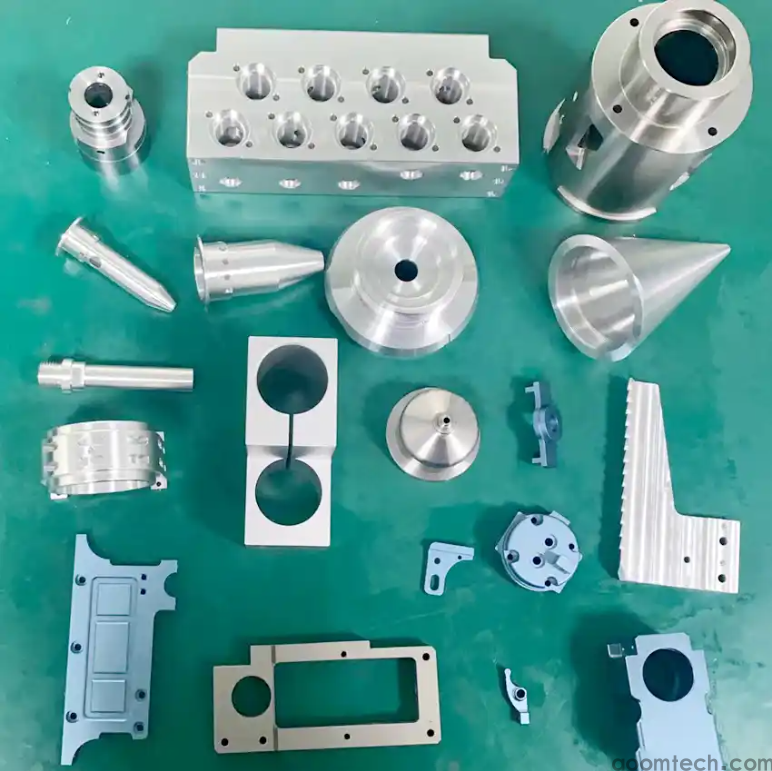
Quality Assurance in CNC Machining
In-Process Inspection
Quality control begins during machining. Technicians use precision tools such as calipers, micrometers, and CMM (Coordinate Measuring Machines) to monitor dimensions in real time.
This ensures any deviation is detected early, reducing waste and preventing defective parts from moving to the next stage.
Final Inspection and Testing
After production, each part undergoes final inspection. This includes dimensional checks, surface evaluation, and sometimes functional testing under simulated conditions.
Only parts that meet all specifications are approved for delivery, ensuring reliability and performance in real applications.
How to Choose a Custom CNC Machining Service for Non-Standard Aluminum Alloy Parts
Experience and Expertise
When selecting a provider, experience is very important. A reliable company offering a Custom CNC Machining Service for Non - Standard Aluminum Alloy Parts should have a proven track record in relevant industries.
Ask for case studies or examples of past projects. Experienced engineers understand aluminum alloy behavior, machining challenges, and industry standards.
Equipment and Technology
Advanced equipment is essential for high-quality results. Multi-axis CNC machines and modern CAD/CAM software improve accuracy, efficiency, and design flexibility.
Well-maintained machines also ensure stable production quality and reduce the risk of errors or delays.
Cost-Effectiveness and Delivery
Cost is important, but it should not be the only factor. A good supplier balances price, quality, and service.
Timely delivery is also critical, especially for industries with strict production schedules. Always confirm production timelines and potential risks before starting the project.
The choosing a custom CNC machining service for non-standard aluminum alloy parts decision should always consider overall value rather than just the lowest price.
Conclusion
A professional Custom CNC Machining Service for Non - Standard Aluminum Alloy Parts provides high precision, complex geometry capability, and full customization to meet industry-specific needs. From design to final inspection, each step ensures quality, performance, and reliability.
Understanding the process of custom CNC machining for non-standard aluminum alloy parts and evaluating the advantages of custom CNC machining for non-standard aluminum alloy parts helps businesses make better decisions and achieve better manufacturing results.
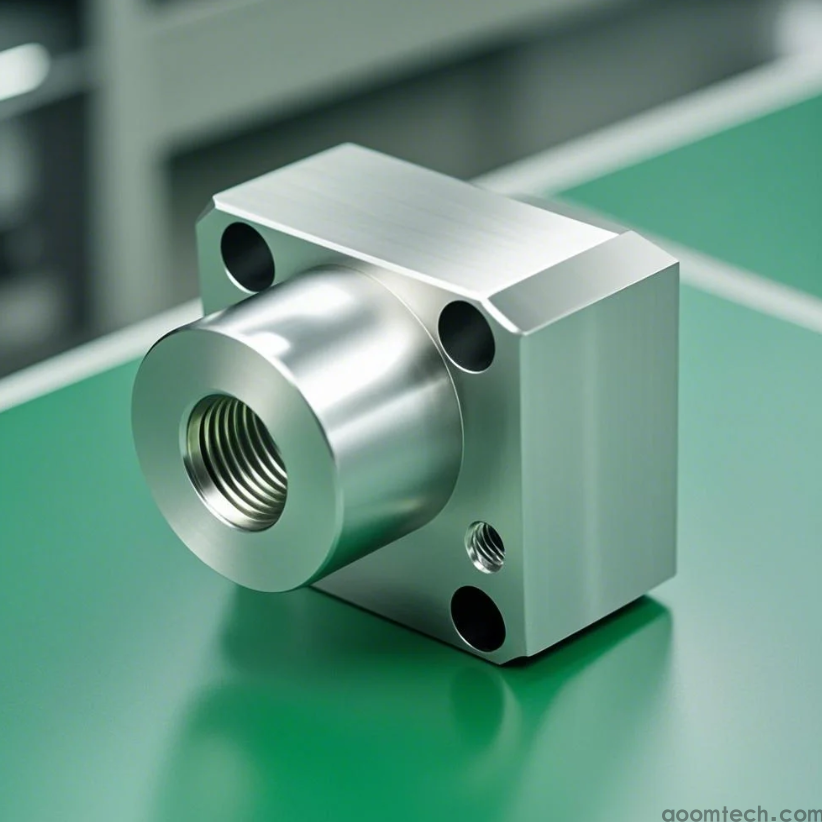
Custom CNC Machining Service for Non - Standard Aluminum Alloy Parts
Introduction to Non - Standard Aluminum Alloy Parts
A Custom CNC Machining Service for Non - Standard Aluminum Alloy Parts plays an important role in modern manufacturing industries. Non-standard aluminum alloy parts are specially designed components that are not available as standard, off-the-shelf products. They are created to meet unique design requirements, specific functions, or special working environments.
Aluminum alloys are widely used because they are lightweight, strong, corrosion-resistant, and have excellent thermal conductivity. These properties make them suitable for industries such as aerospace, automotive, electronics, and medical equipment.
For example, in aerospace systems, custom aluminum alloy brackets may be designed to fit limited installation spaces. In electronics, precision aluminum housings help protect sensitive components while improving heat dissipation.
Advantages of Custom CNC Machining for Non-Standard Aluminum Alloy Parts
High Precision
One of the key advantages of custom CNC machining for non-standard aluminum alloy parts is high precision. CNC machines are computer-controlled, which allows manufacturers to produce parts with extremely tight tolerances, often within ±0.01 mm or even finer depending on the application.
This level of accuracy is critical for applications such as electronic connectors, where even small deviations can affect performance or assembly quality. Consistent accuracy also ensures every part in a batch meets the same standard.
Complex Geometry Machining
Non-standard aluminum parts often have complex shapes. A Custom CNC Machining Service for Non - Standard Aluminum Alloy Parts can handle these designs using multi-axis CNC machines.
These machines can create intricate curves, deep cavities, undercuts, and detailed surface structures. For example, advanced heat sinks used in high-performance electronics require complex fin structures that can only be efficiently produced using CNC technology.
Full Customization
Customization is another major advantage. Customers can define every detail of the part, including size, shape, tolerance, and surface finish. This flexibility is especially valuable when standard parts cannot meet functional or structural requirements.
Custom CNC machining allows engineers to optimize product performance, reduce assembly complexity, and improve durability in demanding environments.
The Process of Custom CNC Machining for Non-Standard Aluminum Alloy Parts
Design and Consultation
The process of custom CNC machining for non-standard aluminum alloy parts begins with design and technical consultation. Customers usually provide CAD drawings or 3D models. Engineers then review the design to ensure it is suitable for CNC manufacturing.
During this stage, suggestions may be made to improve manufacturability, reduce cost, or strengthen structural performance. Clear communication is essential to avoid design errors and production delays.
Material Selection and Procurement
Material selection is a key step. Different aluminum alloys have different properties:
6061 aluminum: good machinability and general-purpose use
7075 aluminum: very high strength for demanding applications
5052 aluminum: excellent corrosion resistance
The right material depends on mechanical requirements, environment, and budget. After selection, the machining service sources high-quality raw materials for production.
CNC Machining Operations
Common machining operations include milling, turning, and drilling.
Milling is used for shaping surfaces and complex geometries. Turning is used for cylindrical parts, while drilling creates precise holes. Proper cutting speed, feed rate, and tool selection are essential to achieve smooth surface finish and dimensional accuracy.
For aluminum machining, optimized parameters help prevent issues such as tool wear, burr formation, and poor surface quality.
Heat Treatment and Surface Finishing
After machining, parts may undergo heat treatment to improve strength, hardness, and durability. Surface finishing processes such as anodizing, polishing, or powder coating enhance corrosion resistance and appearance.
These finishing steps improve both performance and lifespan of non-standard aluminum alloy parts in real-world applications.
Quality Assurance in CNC Machining
In-Process Inspection
Quality control begins during machining. Technicians use precision tools such as calipers, micrometers, and CMM (Coordinate Measuring Machines) to monitor dimensions in real time.
This ensures any deviation is detected early, reducing waste and preventing defective parts from moving to the next stage.
Final Inspection and Testing
After production, each part undergoes final inspection. This includes dimensional checks, surface evaluation, and sometimes functional testing under simulated conditions.
Only parts that meet all specifications are approved for delivery, ensuring reliability and performance in real applications.
How to Choose a Custom CNC Machining Service for Non-Standard Aluminum Alloy Parts
Experience and Expertise
When selecting a provider, experience is very important. A reliable company offering a Custom CNC Machining Service for Non - Standard Aluminum Alloy Parts should have a proven track record in relevant industries.
Ask for case studies or examples of past projects. Experienced engineers understand aluminum alloy behavior, machining challenges, and industry standards.
Equipment and Technology
Advanced equipment is essential for high-quality results. Multi-axis CNC machines and modern CAD/CAM software improve accuracy, efficiency, and design flexibility.
Well-maintained machines also ensure stable production quality and reduce the risk of errors or delays.
Cost-Effectiveness and Delivery
Cost is important, but it should not be the only factor. A good supplier balances price, quality, and service.
Timely delivery is also critical, especially for industries with strict production schedules. Always confirm production timelines and potential risks before starting the project.
The choosing a custom CNC machining service for non-standard aluminum alloy parts decision should always consider overall value rather than just the lowest price.
Conclusion
A professional Custom CNC Machining Service for Non - Standard Aluminum Alloy Parts provides high precision, complex geometry capability, and full customization to meet industry-specific needs. From design to final inspection, each step ensures quality, performance, and reliability.
Understanding the process of custom CNC machining for non-standard aluminum alloy parts and evaluating the advantages of custom CNC machining for non-standard aluminum alloy parts helps businesses make better decisions and achieve better manufacturing results.
 Process of Custom High-Precisi
 CNC Machining Parameter Settin
 5 Key Tips for CNC Machining o
 Small-batch Precision Parts 5-