


What Is the CNC Machining Process for Cast Iron Molds? Key Steps Explained
The topic What Is the CNC Machining Process for Cast Iron Molds? Key Steps Explained is important for manufacturers who want to produce strong, accurate, and long-lasting molds. Cast iron molds are widely used in heavy industries because they offer excellent wear resistance, stability, and good casting performance. To achieve high precision and consistent quality, CNC machining is used after casting to refine and finish the mold.
This article explains the full process in simple terms, from design to final inspection, so readers can clearly understand how cast iron molds are manufactured using CNC technology.
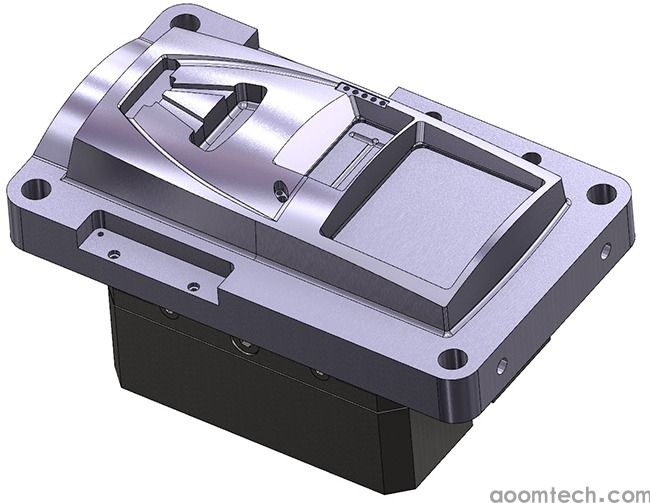
Introduction to CNC Machining of Cast Iron Molds
Importance of Cast Iron Molds
Cast iron molds play a vital role in many manufacturing industries. They are used to produce large and complex components such as engine blocks, machine housings, industrial pumps, and construction equipment parts. Cast iron is popular because it has good fluidity during casting, strong wear resistance, and excellent stability under pressure.
However, raw cast iron molds are not accurate enough right after casting. CNC machining is required to improve precision, surface quality, and dimensional accuracy. This ensures that every final product made from the mold meets strict quality standards.
Pre-Machining Preparation
Pre-machining for cast iron mold CNC machining is a critical stage that ensures the entire process runs smoothly and accurately.
Design and Blueprint
The process begins with a detailed design using CAD (Computer-Aided Design) software. Engineers create a 2D drawing or 3D model that defines the mold’s dimensions, tolerances, and complex features.
Important design considerations include:
Draft angles for easy part release
Proper wall thickness for strength
Allowance for machining after casting
Tool accessibility for CNC machining operations
Clear communication between designers and machinists is essential. A well-prepared design reduces errors and improves machining efficiency.
Material Inspection
Before machining starts, the cast iron material must be carefully inspected. The quality of the raw casting directly affects the final mold performance.
Inspection includes checking for:
Porosity (air holes inside the material)
Cracks or surface defects
Inclusions (unwanted materials inside the casting)
Non-destructive testing methods such as ultrasonic testing or magnetic particle inspection may be used for high-precision molds. The material must also meet required chemical composition and mechanical strength standards.
If defects are not detected early, they can cause mold failure, reduced lifespan, or inaccurate final products.
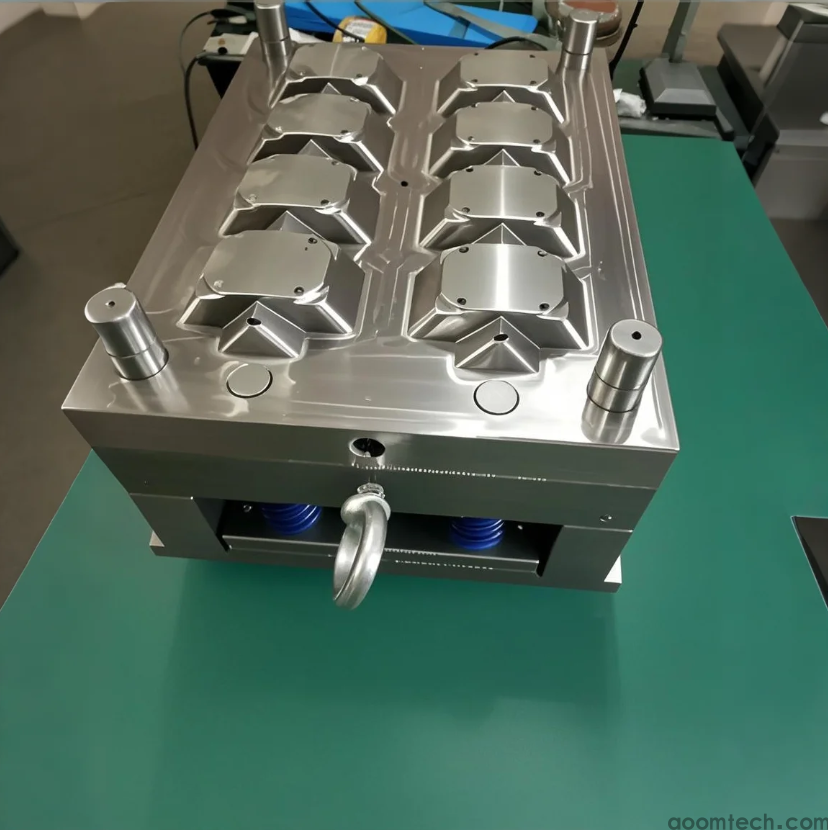
CNC Machining Operations for Cast Iron Molds
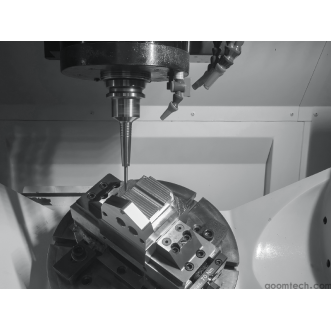
The main stage of production is CNC machining operations for cast iron molds. This step shapes the mold into its final precise form.
Milling Operations
Milling is the most important machining process for cast iron molds. It is used to create cavities, flat surfaces, grooves, and complex shapes.
Common cutting tools include:
End mills – for slots and pockets
Face mills – for flat surfaces
Ball nose mills – for curved and 3D surfaces
Key machining parameters include spindle speed, feed rate, and depth of cut. Cast iron requires stable cutting conditions to avoid tool wear and ensure a smooth surface finish.
Drilling and Boring
Drilling is used to create holes for ejector pins, coolant channels, and assembly purposes. After drilling, boring is used to improve hole accuracy and surface finish.
To avoid issues such as drill breakage or misalignment, manufacturers should:
Use proper coolant for heat control
Select high-quality drill bits
Apply correct feed rates and speeds
Boring tools help achieve tight tolerances, especially for high-precision mold components.
Turning Operations (If Applicable)
If the cast iron mold includes cylindrical features, turning operations are performed using a CNC lathe. The workpiece rotates while the cutting tool removes material.
Carbide inserts are commonly used due to their hardness and durability. Turning operations may include rough cutting for material removal and finish cutting for smooth surface quality.
Heat Treatment and Surface Finishing
Heat Treatment
Heat treatment improves the mechanical properties of cast iron molds, such as hardness, toughness, and wear resistance.
Common processes include:
Annealing: Reduces internal stress and improves stability
Quenching: Increases hardness
Tempering: Improves toughness and reduces brittleness
Proper heat treatment ensures that the mold can withstand repeated production cycles without deformation or cracking.
Surface Finishing
Surface finishing improves mold performance, appearance, and durability. It also helps with easier release of cast parts.
Common finishing methods include:
Polishing to reduce surface roughness
Plating (such as chromium) for corrosion resistance
Protective coatings for wear resistance
The choice of finishing method depends on the mold’s application and production environment.
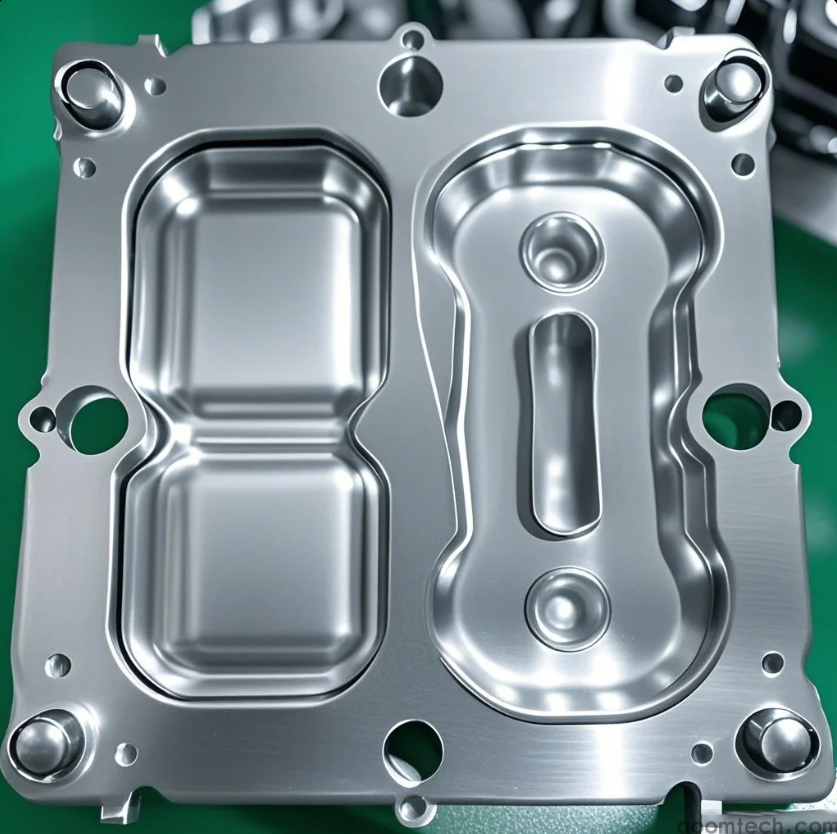
Quality Control and Inspection
Quality control in cast iron mold CNC machining is essential to ensure accuracy, performance, and reliability throughout the entire process.
In-Process Inspection
During machining, regular inspections are carried out to ensure the mold meets design specifications. Precision tools such as calipers, micrometers, and coordinate measuring machines (CMM) are used.
Typical inspection points include:
Cavity depth accuracy
Hole diameter measurements
Surface flatness and alignment
Early detection of errors helps reduce waste and avoids costly rework.
Final Inspection and Testing
After machining, heat treatment, and finishing, the mold undergoes final inspection. This includes full dimensional checks, surface quality evaluation, and functional testing.
In some cases, a trial casting is performed to confirm that the mold produces accurate and defect-free parts.
If the mold fails inspection, it may require re-machining, surface correction, or design adjustment before approval.
Conclusion
Understanding What Is the CNC Machining Process for Cast Iron Molds? Key Steps Explained helps manufacturers improve production quality and efficiency. From careful design and material inspection to precise CNC machining, heat treatment, and strict quality control, each step plays a critical role in producing reliable molds.
By following proper procedures and maintaining strong quality standards, manufacturers can achieve high-performance cast iron molds that deliver long service life and consistent product accuracy.
 Process of Custom High-Precisi
 CNC Machining Parameter Settin
 5 Key Tips for CNC Machining o
 Small-batch Precision Parts 5-