


Methods to Reduce Costs of CNC Machined Parts
Introduction to Cost-reduction in CNC Machined Parts
Importance of Cost-reduction
Reducing the cost of CNC machined parts is essential for companies in modern manufacturing. CNC machining delivers high precision and consistency, but it can also become expensive if not managed carefully. Lower production costs help businesses improve profit margins, stay competitive in global markets, and offer better prices to customers.
For example, a manufacturer producing automotive components may win more contracts simply by reducing machining time or material waste. Similarly, an aerospace supplier that optimizes production costs can reinvest savings into research and development, improving product innovation and long-term growth. In highly competitive industries, even a small cost advantage can significantly increase market share.
This article explains practical Methods to Reduce Costs of CNC Machined Parts that can be applied in real production environments without sacrificing quality.
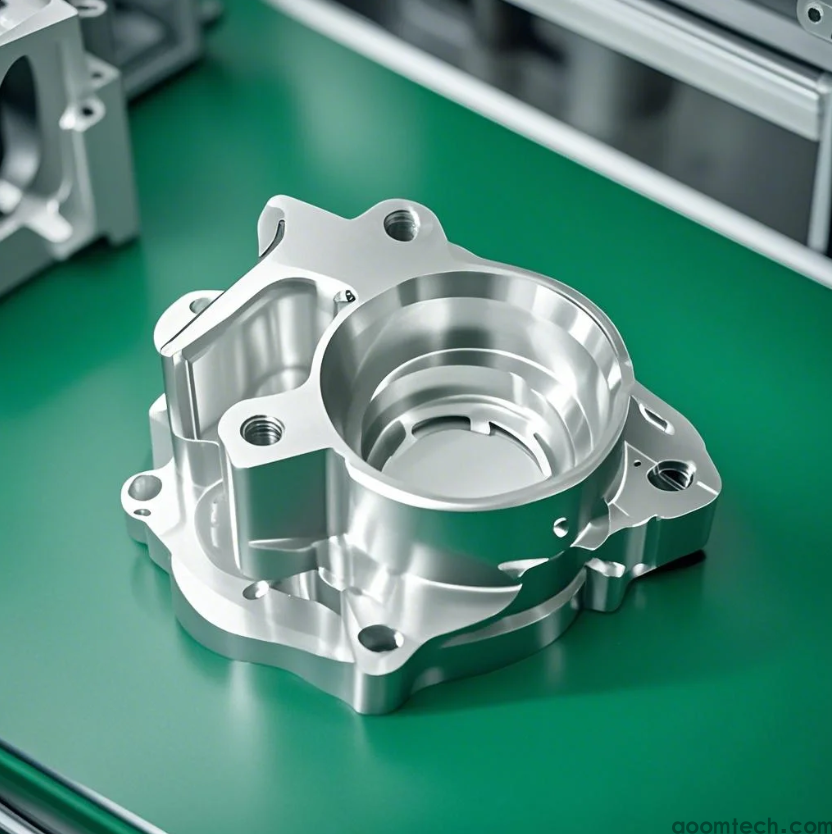
Design-related Cost-reduction Methods
Optimize Part Design (design-related cost-reduction for CNC machined parts)
One of the most effective ways to reduce CNC machining costs is to simplify the part design. Complex geometries often require longer machining time, special tools, and multiple setups, all of which increase cost.
For example, sharp internal corners are difficult to machine using standard end mills. They may require smaller tools or additional operations, increasing both machining time and tool wear. Instead, using rounded internal corners can significantly reduce machining difficulty.
Practical design optimization tips include:
Reduce unnecessary complex shapes and features
Use standard hole sizes and radii
Avoid deep cavities that require long tool reach
Minimize tight tolerances unless functionally necessary
Working closely with engineers and designers early in the project helps ensure the design is both functional and cost-efficient.
Design for Manufacturability (DFM)
Design for Manufacturability (DFM) is a key engineering approach that focuses on designing parts in a way that makes them easier and cheaper to produce. It considers CNC machine capabilities, tooling limitations, and setup requirements.
For instance, a part designed to be completed in a single setup will generally cost less than one requiring multiple repositioning steps. Each setup adds labor time, alignment effort, and potential error risk.
DFM principles include:
Designing parts that can be machined with fewer setups
Ensuring tool accessibility for all features
Avoiding unnecessary tight tolerances
Standardizing feature dimensions where possible
Applying DFM early in product development is one of the most reliable Methods to Reduce Costs of CNC Machined Parts.
Material-related Cost-reduction Methods
Choose the Right Material (material-related cost-saving methods in CNC machining)
Material selection has a major impact on total machining cost. Different materials vary significantly in price, machinability, and tool wear.
For example, aluminum is generally less expensive and easier to machine compared to stainless steel or titanium alloys. If a part does not require extreme strength or heat resistance, choosing aluminum can reduce both material and machining costs.
When selecting materials, consider:
Mechanical strength requirements
Corrosion resistance needs
Machinability and tool wear rate
Market price and availability
Balancing performance and cost is critical. In many cases, alternative materials can meet functional requirements at a significantly lower price.
Reduce Material Waste
Material waste directly increases production cost. Efficient planning of raw material usage can significantly reduce expenses in CNC machining.
One effective method is nesting optimization, especially for sheet materials. Nesting software arranges multiple parts on a single sheet to maximize material usage and minimize scrap.
Additional waste reduction strategies include:
Using CAD/CAM software for optimal part layout
Reusing leftover material for smaller components
Standardizing raw material sizes to reduce offcuts
Even small improvements in material utilization can lead to substantial cost savings over large production batches.
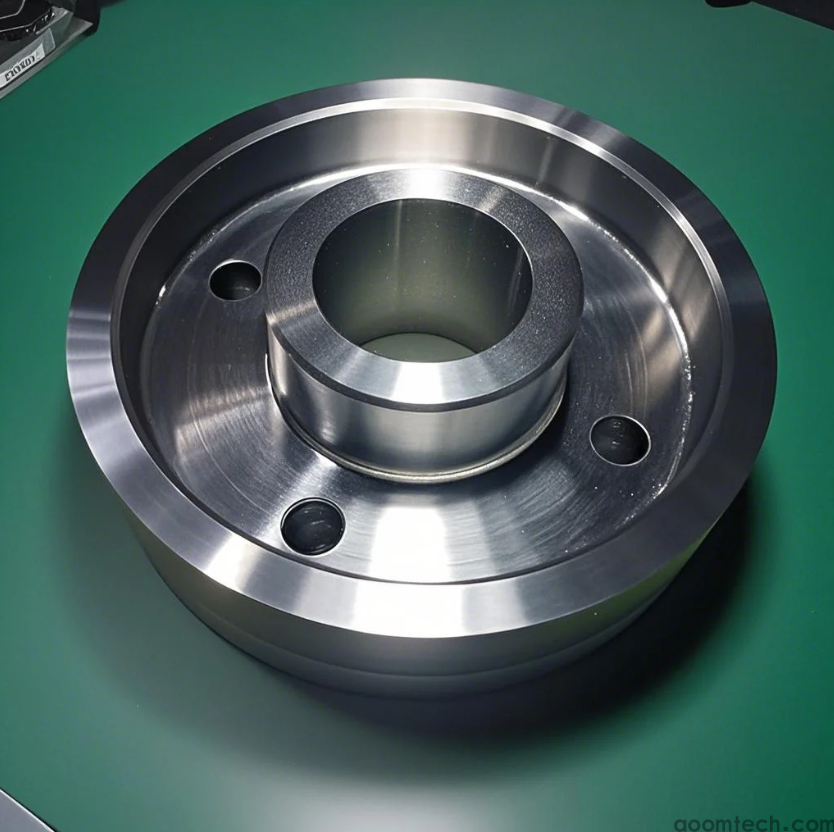
Machining-process Cost-reduction Methods
Optimize Machining Parameters
Adjusting machining parameters is a powerful way to improve efficiency and reduce cost. Key parameters include spindle speed, feed rate, and depth of cut.
For example, increasing feed rate while maintaining proper spindle speed can reduce machining time. However, it must be carefully balanced to avoid tool damage or poor surface finish.
Guidelines include:
Use manufacturer-recommended cutting parameters as a baseline
Adjust feed rate based on material hardness
Test and optimize depth of cut for efficiency
Monitor tool wear during production
Proper optimization improves productivity while maintaining quality standards.
Minimize Setup Time
Setup time is often underestimated but can significantly affect total production cost, especially in small-batch manufacturing.
Each setup involves programming, fixturing, and tool alignment. Reducing these steps improves efficiency.
Effective methods include:
Using quick-change tooling systems
Applying modular fixtures for flexibility
Standardizing setup procedures across machines
Grouping similar jobs to reduce changeovers
Reducing setup time is one of the most practical Methods to Reduce Costs of CNC Machined Parts in job-shop environments.
Tooling-related Cost-reduction Methods
Select Cost-effective Tools (tooling-related cost-reduction in CNC parts production)
Cutting tools represent a recurring cost in CNC machining. Choosing the right balance between price and performance is important.
High-quality carbide tools last longer but may have higher upfront costs. In contrast, coated or carbide-tipped tools can offer good performance at a lower cost for general machining operations.
Tool selection tips:
Match tool type with specific machining operations
Evaluate tool life versus cost per part
Use multi-purpose tools when possible
Avoid over-specifying premium tools when not needed
Proper Tool Maintenance
Proper maintenance extends tool life and reduces replacement costs. Regular inspection helps identify wear before it affects part quality.
Maintenance practices include:
Checking cutting edges for wear or chipping
Replacing inserts before failure occurs
Cleaning tools after machining operations
Following manufacturer-recommended usage limits
Well-maintained tools not only reduce cost but also improve surface finish and dimensional accuracy.
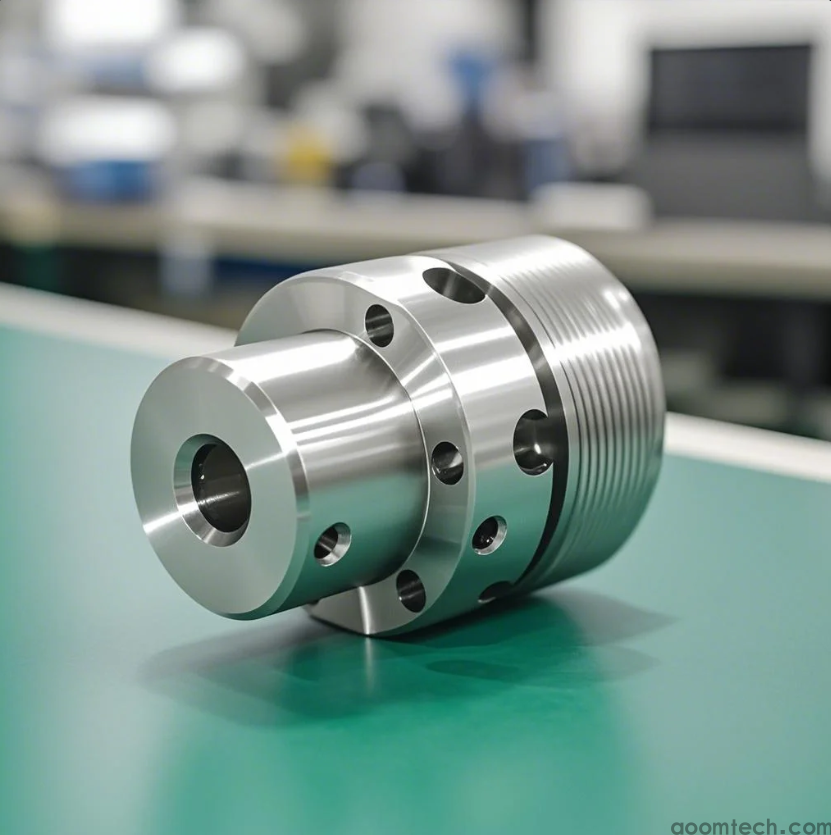
Supplier-related Cost-reduction Methods
Negotiate with Suppliers
Supplier negotiation plays a key role in controlling CNC machining costs. Materials, tooling, and outsourced services often offer room for price optimization.
Companies can achieve savings through:
Bulk purchasing discounts
Long-term contract agreements
Comparing multiple supplier quotations
Negotiating payment terms and delivery conditions
Being informed about market pricing strengthens negotiation power and leads to better deals.
Build Long-term Relationships
Long-term supplier relationships provide stability and cost advantages over time. Trusted suppliers are more likely to offer priority service, better pricing, and flexible support.
Benefits include:
More consistent pricing over time
Faster response and delivery times
Access to improved or new materials
Stronger cooperation during urgent projects
Strong partnerships contribute to sustainable cost control and reliable production planning.
Conclusion
Implementing effective Methods to Reduce Costs of CNC Machined Parts requires attention to design, material selection, machining strategy, tooling, and supplier management. No single method is enough on its own. Instead, combining multiple strategies delivers the best results.
By applying principles such as design-related cost-reduction for CNC machined parts, material-related cost-saving methods in CNC machining, and tooling-related cost-reduction in CNC parts production, manufacturers can significantly improve efficiency and competitiveness.
In modern manufacturing, cost optimization is not only about saving money—it is about building a smarter, more sustainable production system that supports long-term success.
 Process of Custom High-Precisi
 CNC Machining Parameter Settin
 5 Key Tips for CNC Machining o
 Small-batch Precision Parts 5-