


Factors Affecting Pricing of CNC Machined Stainless Steel Parts
Understanding the Factors Affecting Pricing of CNC Machined Stainless Steel Parts is essential for anyone involved in manufacturing, engineering, product development, or purchasing custom metal components. Whether you are building prototypes or ordering mass production parts, pricing can vary widely depending on many technical and commercial conditions.
Without this understanding, companies often face problems such as overpaying for simple parts, underestimating project budgets, or choosing unsuitable suppliers. A clear knowledge of cost drivers helps improve budgeting accuracy, cost control, and supplier negotiation.
Importance of Understanding Pricing Factors
CNC machining is a precision manufacturing process, and stainless steel is a durable but sometimes difficult material to machine. This combination makes pricing more complex than many expect.
For example, two parts with the same size can have very different costs if one requires tight tolerances, special tooling, or a higher-grade material. Businesses that do not understand these differences may misjudge project costs and face financial setbacks during production.
Knowing the material-related pricing factors for CNC stainless-steel parts, machining complexity, and production conditions allows buyers to make informed decisions and avoid unnecessary expenses.
Material-Related Factors
Stainless Steel Grade
One of the most important cost drivers is the grade of stainless steel used. Different grades have different chemical compositions, mechanical properties, and machining characteristics.
For example:
304 stainless steel – Common, good corrosion resistance, widely used, relatively affordable.
316 stainless steel – Contains molybdenum, better corrosion resistance (especially in marine or chemical environments), more expensive.
410 stainless steel – Harder, magnetic, used in wear-resistant applications, moderate pricing depending on heat treatment.
Higher-grade materials like 316 usually cost more due to raw material price, alloy content, and more demanding processing requirements. Choosing the correct grade should balance performance needs and budget constraints.
Material Availability and Market Trends
The global market has a direct influence on stainless steel pricing. When demand increases or supply becomes limited, material costs rise.
For instance, when industries such as automotive, construction, or medical equipment increase stainless steel consumption, prices may go up due to higher demand for raw materials.
Other influencing factors include:
Global steel production output
Import/export policies and tariffs
Energy costs used in steel manufacturing
Economic conditions and supply chain disruptions
Staying updated with market trends helps buyers plan procurement timing and reduce material costs.
Material Quantity and Wastage
The total amount of stainless steel required also affects pricing. Larger orders often reduce unit material costs due to bulk purchasing advantages.
However, material waste during machining must also be considered. Complex geometries or inefficient part layouts can result in higher scrap rates.
Common waste factors include:
Large billet removal for complex shapes
Cutting inefficiencies during CNC milling
Designs that do not optimize material nesting
Efficient design and smart nesting strategies help reduce waste and lower overall production cost.
Machining-Related Factors
Part Complexity
Part geometry plays a major role in cost. The more complex the design, the more machining operations are required.
Complex parts may include:
Deep internal cavities
Fine threads or micro-features
Complex 3D surfaces
Tight dimensional tolerances
These features increase programming time, tooling requirements, and machining difficulty. As a result, the overall cost increases significantly.
This is a key part of machining-related factors in CNC stainless-steel part pricing, as complexity directly influences production time and tool wear.
Machining Processes and Equipment
The type of CNC equipment and process used also affects pricing.
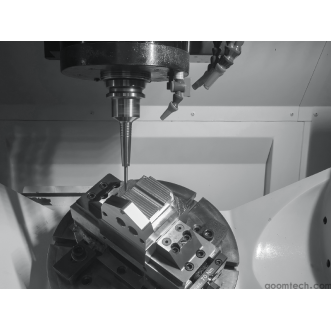
Standard 3-axis machining is usually more affordable, while advanced methods such as:
5-axis CNC machining
Electrical Discharge Machining (EDM)
Swiss-type CNC turning
tend to be more expensive due to higher machine cost, operator skill level, and setup complexity.
Sometimes, a part can be manufactured more cost-effectively by splitting operations across simpler machines rather than using a single advanced machine. Engineers must evaluate both precision requirements and production efficiency.
Machining Time
Machining time is one of the most direct cost factors because CNC services are often charged per hour.
Factors affecting machining time include:
Part size and volume of material removal
Number of machining steps
Cutting speed and tool selection
Setup and repositioning time
Longer machining time results in higher cost. Using optimized toolpaths and high-speed machining strategies can reduce production time and improve cost efficiency.
Production-Related Factors
Production Volume
Order quantity has a strong impact on unit pricing. This is due to economies of scale.
Fixed costs such as programming, setup, and tooling are spread across all parts in a batch. As a result, larger production runs reduce per-unit cost.
For example:
Prototype order (1–10 pieces): high unit cost due to setup overhead
Small batch (50–100 pieces): moderate cost reduction
Mass production (1000+ pieces): significantly lower unit cost
This is a core aspect of production-related pricing elements for CNC machined stainless steel.
Lead Time Requirements
Urgent orders usually cost more. When customers request short lead times, manufacturers may need to:
Rearrange production schedules
Work overtime shifts
Prioritize one job over others
These factors increase operational cost, which is reflected in pricing.
Planning ahead and allowing flexible delivery schedules can help reduce overall expenses.
Quality-Related Factors
Quality Control and Inspection
Higher quality requirements increase production cost. Tight tolerances and strict inspection standards require advanced measuring equipment and additional labor.
Common inspection tools include:
Coordinate Measuring Machines (CMM)
Surface roughness testers
Micrometers and precision gauges
More inspection steps mean more time and higher cost, but also ensure better product reliability and consistency.
Certifications and Standards Compliance
If parts must meet industry certifications, costs will increase. Common standards include:
ISO 9001 (Quality Management Systems)
ISO 13485 (Medical devices)
AS9100 (Aerospace manufacturing)
Compliance requires documentation, audits, controlled processes, and trained personnel. These additional requirements are reflected in the final price of CNC machined parts.
Other Important Factors
Geographical Location
Location of the manufacturer significantly affects pricing due to differences in labor cost, energy cost, and taxation.
Manufacturers in high-cost regions often charge more than those in lower-cost regions. Shipping distance and logistics complexity also influence total cost, especially for heavy or bulk stainless steel parts.
When selecting a supplier, it is important to consider both unit price and total delivered cost.
Supplier Reputation and Service
Experienced and reputable suppliers often charge higher prices, but they also provide better reliability, technical support, and consistent quality.
Less experienced suppliers may offer lower prices, but could carry risks such as inconsistent quality or delivery delays.
When evaluating suppliers, consider:
Customer reviews and references
Technical capabilities and equipment
Quality assurance systems
Communication and service responsiveness
Balancing cost and reliability is key to successful sourcing decisions.
Conclusion
The Factors Affecting Pricing of CNC Machined Stainless Steel Parts are complex and interconnected. Material selection, machining difficulty, production volume, quality requirements, and supplier location all play important roles in determining final cost.
By understanding these variables, buyers and engineers can make better decisions, optimize designs, reduce unnecessary expenses, and choose the right manufacturing partners.
A well-informed approach not only improves cost efficiency but also ensures consistent product quality and long-term project success.
 Process of Custom High-Precisi
 CNC Machining Parameter Settin
 5 Key Tips for CNC Machining o
 Small-batch Precision Parts 5-