


How to Calculate CNC Machining Costs
CNC machining is widely used in modern manufacturing to produce precise metal and plastic parts. Understanding How to Calculate CNC Machining Costs is essential for both manufacturers and customers. A clear cost calculation helps avoid unexpected expenses, improves budgeting accuracy, and supports better decision-making when choosing suppliers or production methods.
Introduction to CNC Machining Cost Calculation
Importance of Cost Calculation
Calculating CNC machining costs is important for both sides of the manufacturing process. For manufacturers, accurate cost estimation helps set competitive prices, estimate profit margins, and plan efficient production strategies. If costs are underestimated, companies may lose money even when orders are increasing. In some real-world cases, manufacturers lose contracts simply because their quotes are either too high due to poor estimation or too low due to incorrect cost analysis.
For customers, understanding cost calculation allows better comparison between suppliers. For example, a company sourcing 500 aluminum housings may receive very different quotes. Without understanding the breakdown, the buyer might choose a cheaper quote that later leads to hidden costs or poor quality. A clear understanding of CNC machining cost structure ensures smarter purchasing decisions and better long-term value.
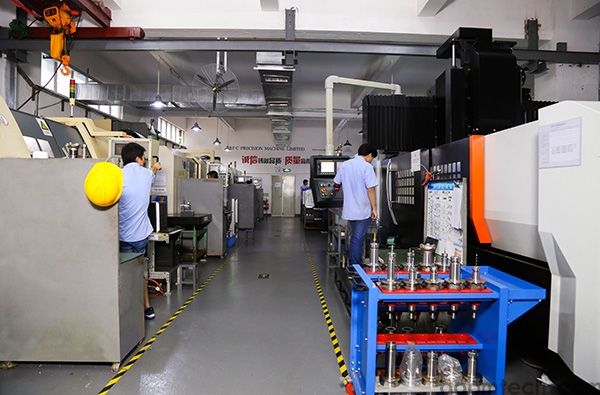
Key Cost Components
Material Costs
Material cost in CNC machining cost calculation is one of the most significant factors affecting total pricing. Different materials have different prices depending on type, grade, and market demand.
Common material price ranges (approximate):
Aluminum: $2–$6 per kg
Carbon Steel: $1–$3 per kg
Stainless Steel: $3–$8 per kg
Titanium: $20–$50 per kg
Engineering Plastics (e.g., POM, ABS): $3–$10 per kg
To estimate material cost, manufacturers calculate the volume of the part using CAD data, multiply it by the material density, and then adjust for waste (typically 10%–30%). For example, a 1 kg aluminum part may require 1.2 kg of raw material due to machining waste.
Machining Time-related Costs
Machining time directly affects cost because CNC machines are usually billed per hour. The total machining time depends on part complexity, machine type, and required operations such as milling, turning, drilling, or finishing.
Typical hourly machine rates:
3-axis CNC machine: $30–$80/hour
4-axis CNC machine: $50–$120/hour
5-axis CNC machine: $80–$200/hour
For example, a simple bracket may take 30 minutes on a 3-axis machine, costing around $20–$40 in machining time. A complex aerospace component may require 5-axis machining for 4 hours, increasing the cost significantly.
Understanding machining time also helps evaluate efficiency. Two suppliers may use different strategies, resulting in different production speeds and pricing.
Tooling Costs
Tooling costs include end mills, drills, inserts, and other cutting tools used during machining. These tools wear out over time, especially when machining harder materials like stainless steel or titanium.
For example:
Standard end mill: $10–$50
Carbide end mill: $20–$100+
Specialized coated tools: $50–$200+
To calculate tooling cost per part, manufacturers estimate how many parts each tool can produce before replacement. For instance, if a $100 tool produces 50 parts, the tooling cost per part is $2. Hard materials increase wear rates, raising overall tooling expenses.
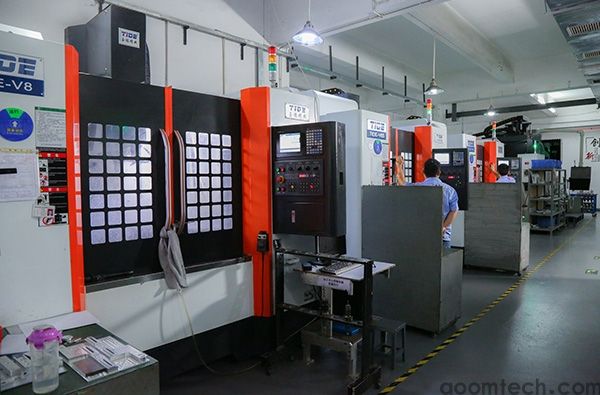
Setup Costs
Setup costs include machine programming, fixture design, tool setup, and calibration. Even a single prototype part requires setup work, which makes small batches more expensive per unit.
Setup cost factors include:
Programming time (CAD/CAM preparation)
Fixture design and installation
Machine calibration and alignment
For simple parts, setup may take 1–2 hours. For complex geometries, setup can take several hours or even a full day. This is why prototypes often have higher unit costs compared to mass production.
Factors Affecting Cost
Part Complexity
Part complexity impact on CNC machining cost is one of the most important pricing factors. Complex parts require more machining time, advanced tools, and multiple operations.
Examples:
Simple block: low cost, single setup
Bracket with holes: medium cost, moderate setup
Part with internal cavities or curved surfaces: high cost, multiple setups
Complex geometries increase programming time and tool changes, which significantly raise total cost.
Tolerance Requirements
Tight tolerances increase machining cost because they require higher precision machines, slower cutting speeds, and more inspection steps. For example:
±0.1 mm tolerance: standard cost
±0.05 mm tolerance: higher cost due to precision machining
±0.01 mm tolerance: significantly higher cost with advanced equipment
Each improvement in tolerance level increases inspection time and reduces machining speed, directly affecting overall pricing.
Production Volume
Production volume strongly affects per-unit cost. In small batches, setup and tooling costs are distributed across fewer parts, making each unit more expensive. In larger volumes, these fixed costs are spread out, reducing per-part pricing.
For example, increasing production from 10 units to 100 units can reduce per-unit cost by up to 30% or more, depending on complexity and setup requirements.
Cost Calculation Process
Step-by-Step Estimation
Material calculation: Determine material type and estimate weight based on CAD design.
Machining time estimation: Analyze operations required and estimate total machine time.
Machine cost calculation: Multiply machining time by hourly machine rate.
Tooling cost estimation: Divide tool usage cost across expected number of parts.
Setup cost allocation: Include programming and fixture preparation costs.
Total cost: Sum all components to get final estimate.
Example (simple part): Aluminum bracket
Material: $5
Machining time: 0.5 hours × $50/hour = $25
Tooling: $2
Setup (shared): $10
Total: $42 per part (approx.)
Example (complex part): Titanium aerospace component
Material: $80
Machining time: 4 hours × $120/hour = $480
Tooling: $20
Setup: $100
Total: $680 per part (approx.)
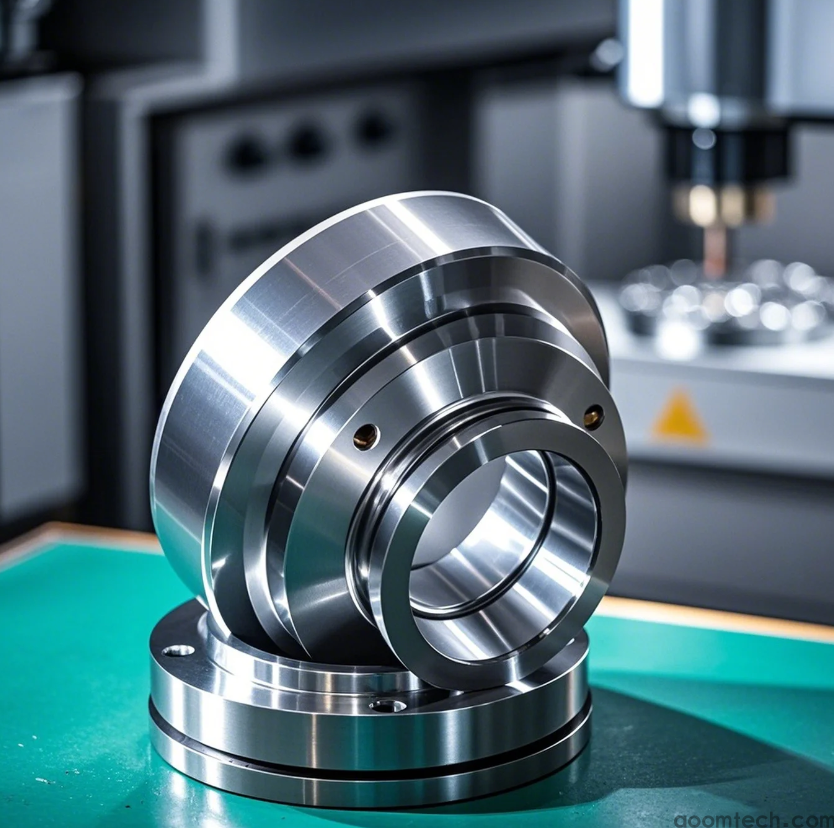
Cost-Saving Strategies
Design Optimization
Cost-saving strategies in CNC machining cost calculation often start with design improvements. Simple design adjustments can significantly reduce manufacturing costs.
Examples include:
Reducing unnecessary complex shapes
Using standard hole sizes and radii
Avoiding deep cavities or undercuts
Minimizing number of setups
A well-optimized design can reduce machining time and tooling wear, leading to lower overall cost.
Negotiation and Supplier Selection
Choosing the right supplier is just as important as design optimization. Always request detailed quotations that break down material, machining, and setup costs.
Practical tips:
Compare multiple suppliers before deciding
Ask for volume-based discounts
Build long-term partnerships for better pricing
Evaluate quality control and delivery reliability
A slightly higher price from a reliable supplier may save more money in reduced defects and delays.
Conclusion
Understanding How to Calculate CNC Machining Costs is essential for accurate budgeting, efficient production planning, and successful supplier selection. By analyzing material, machining time, tooling, and setup costs—and considering factors like complexity, tolerance, and volume—both manufacturers and customers can make smarter financial decisions.
With proper cost estimation methods and optimization strategies, CNC machining becomes more predictable, efficient, and cost-effective for any manufacturing project.
 Process of Custom High-Precisi
 CNC Machining Parameter Settin
 5 Key Tips for CNC Machining o
 Small-batch Precision Parts 5-