


Manufacturer of CNC Machined Precision Copper Parts
A Manufacturer of CNC Machined Precision Copper Parts plays an important role in modern industries that depend on reliable, high-performance copper components. Copper is widely used because of its excellent electrical conductivity, thermal conductivity, corrosion resistance, and good formability. With CNC (Computer Numerical Control) machining technology, copper parts can be produced with high accuracy, consistency, and efficiency.
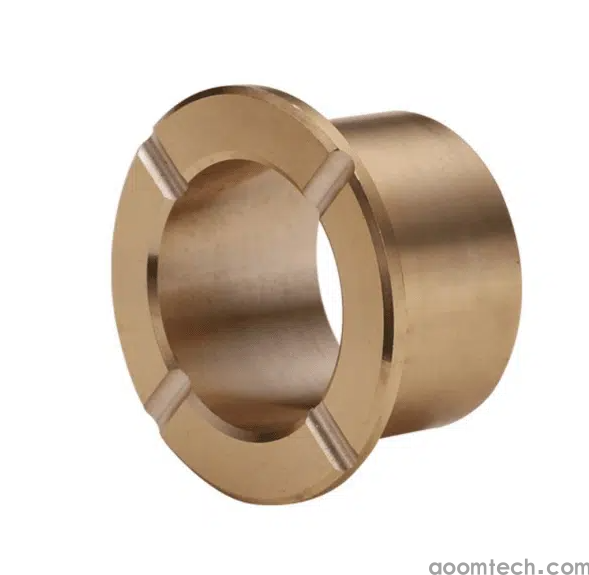
Introduction to CNC Machined Precision Copper Parts
Precision copper parts are essential in many industrial applications. In electronics, copper connectors and terminals ensure stable and efficient electrical transmission. In the automotive industry, copper components are used in electrical systems and cooling systems. In plumbing, copper fittings provide durability and resistance to corrosion. In renewable energy systems, such as solar and wind power, copper parts help ensure efficient energy transfer and system stability.
Because of these wide applications, choosing a reliable Manufacturer of CNC Machined Precision Copper Parts is critical for product performance, safety, and long-term cost efficiency.
What to Look for in a Manufacturer
Advanced Equipment in CNC Precision Copper Part Manufacturers
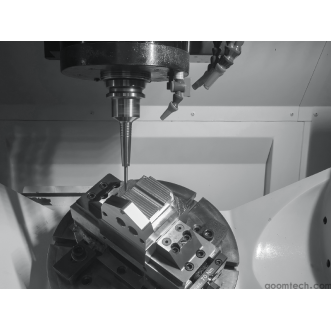
One of the most important factors is the level of equipment used. A qualified manufacturer should have advanced CNC milling, turning, and drilling machines capable of handling complex copper components. Multi-axis CNC machines, especially 4-axis and 5-axis systems, are highly valuable because they allow machining from multiple angles in a single setup. This reduces repositioning errors and improves accuracy.
When evaluating a supplier, it is useful to check the brand, model, production year, and maintenance schedule of their machines. Well-maintained modern equipment ensures stable precision and higher production efficiency.
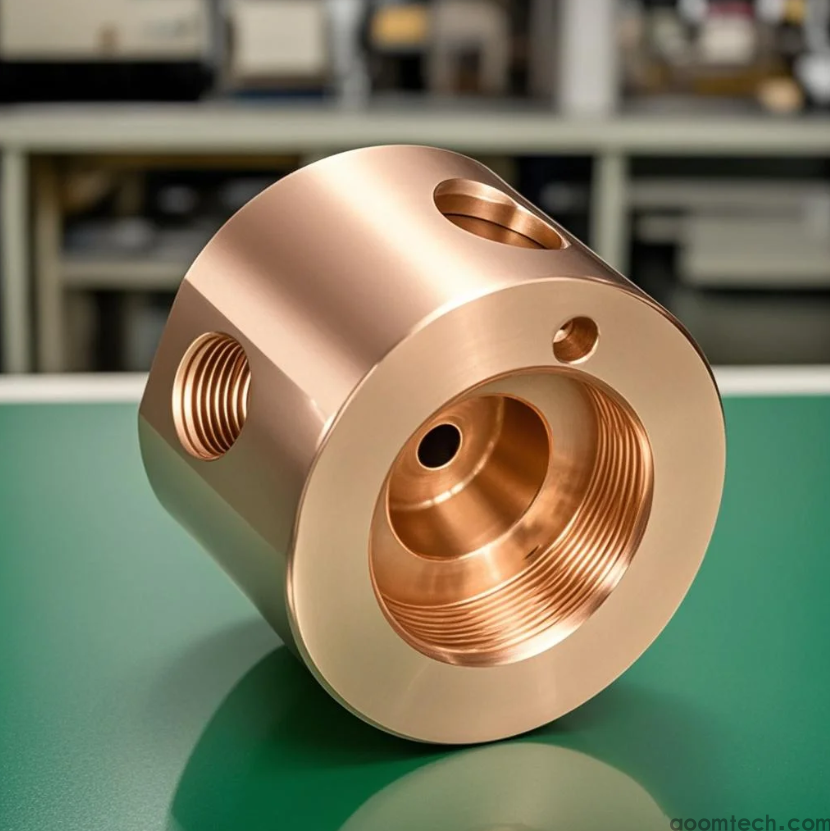
Technical Expertise
Strong technical knowledge is essential for machining copper materials. Copper is soft and ductile, but it tends to work-harden during machining, which can affect tool life and surface quality. Skilled engineers must understand how to adjust cutting speed, feed rate, and tool selection to achieve optimal results.
An experienced manufacturer should also have strong CNC programming capabilities and problem-solving skills for complex geometries. Reviewing staff qualifications, past projects, and industry experience can help assess their technical strength.
Quality Assurance System
A reliable manufacturer must have a strict quality control system. This includes in-process inspection and final inspection to ensure every part meets design requirements. Common inspection tools include Coordinate Measuring Machines (CMM), optical comparators, and surface profilometers.
Key factors to evaluate include inspection frequency, testing standards, and how non-conforming products are handled. A strong quality system ensures consistency and reduces production risks.
Manufacturing Process of CNC Machined Precision Copper Parts
Design and Consultation
The manufacturing process of CNC machined precision copper parts begins with design and technical consultation. Customers usually provide CAD files or engineering drawings. The manufacturer reviews the design and may suggest improvements to enhance manufacturability, reduce cost, or improve structural performance.
Clear communication at this stage helps prevent errors and ensures the final product meets expectations.
Material Selection and Procurement
Copper comes in different types and alloys, each with unique properties. For example, brass (copper-zinc alloy) offers good machinability, while bronze (copper-tin alloy) provides excellent wear resistance. Pure copper is often used when high electrical or thermal conductivity is required.
Selecting the right material depends on application requirements, performance needs, and budget considerations. After selection, the manufacturer sources high-quality raw materials from reliable suppliers.
CNC Machining Operations
CNC machining involves several key processes:
Milling: Used for flat surfaces, grooves, and complex 3D shapes.
Turning: Used for cylindrical copper components.
Drilling: Used for creating precise holes and channels.
Proper tool selection is critical. Carbide tools are commonly used for copper machining due to their wear resistance. Correct machining parameters such as spindle speed, feed rate, and cutting depth ensure high precision and smooth surface finishes.
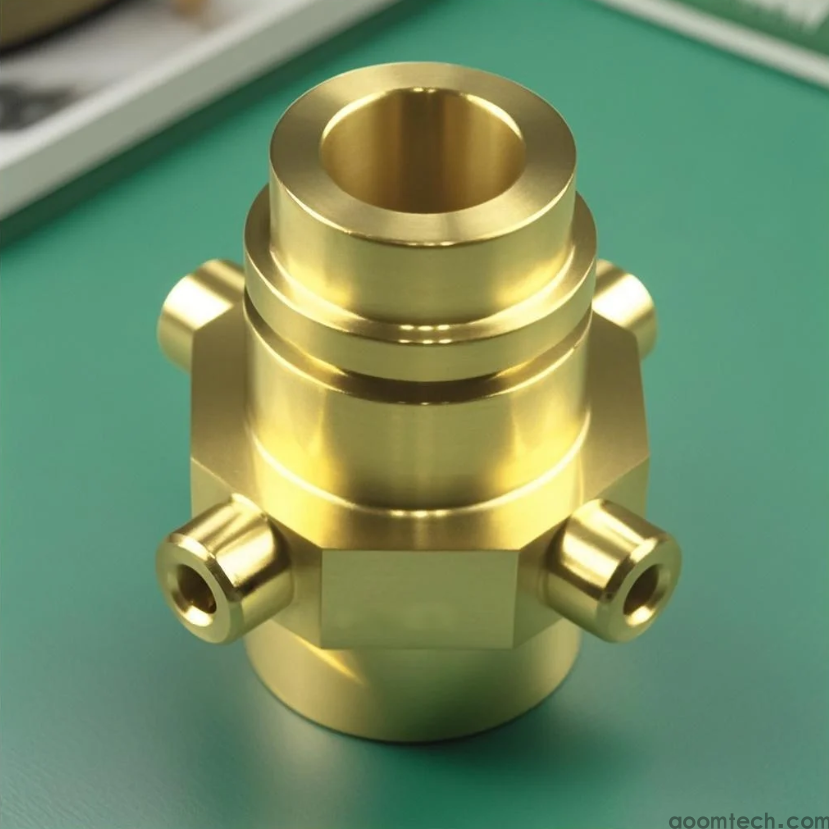
Surface Finishing
Surface finishing improves both performance and appearance. Common finishing methods include polishing, plating, and oxidation treatment. For example, nickel plating enhances corrosion resistance, while polishing improves conductivity and surface smoothness.
The choice of finishing method depends on the application environment and functional requirements of the copper part.
Benefits of CNC Machined Precision Copper Parts
High Precision
One of the key benefits of CNC machined precision copper parts is high accuracy. CNC systems operate with computer control, allowing tight tolerances and repeatable results. This is especially important for electrical connectors and precision assemblies where exact fit is required.
Customization
CNC machining allows full customization of copper parts. Manufacturers can produce unique shapes, sizes, and functional designs based on customer needs. This flexibility is especially valuable in aerospace, electronics, and medical applications where standard parts are not suitable.
Cost-Effectiveness in Volume Production
Although CNC machining requires initial setup and programming, it becomes highly cost-effective in mass production. Once the system is configured, production is fast, consistent, and efficient. Material waste is also reduced due to precise cutting control.
This makes CNC machining a smart choice for large-scale production of copper components.
Conclusion
Choosing the right Manufacturer of CNC Machined Precision Copper Parts is essential for ensuring product quality, performance, and long-term reliability. By focusing on advanced equipment, technical expertise, quality control systems, and a well-structured manufacturing process, customers can achieve better results and reduce production risks.
Understanding the manufacturing process of CNC machined precision copper parts and the benefits of CNC machined precision copper parts helps businesses make informed decisions and build stronger, more reliable supply chains.
 Process of Custom High-Precisi
 CNC Machining Parameter Settin
 5 Key Tips for CNC Machining o
 Small-batch Precision Parts 5-