


Reliable Supplier for Custom Small-Batch CNC Machined Parts
In modern manufacturing, companies often need precision parts in small quantities rather than mass production. Choosing a Reliable Supplier for Custom Small - Batch CNC Machined Parts is essential for product development, testing, and specialized applications. The right supplier can help reduce cost, improve quality, and speed up time to market.
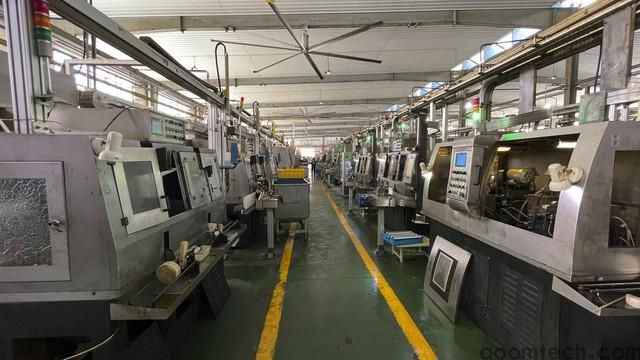
Introduction to Custom Small - Batch CNC Machined Parts Suppliers
The Need for Small - Batch Custom Parts
Many industries require custom CNC machined parts in small quantities. These include product prototyping, short-run manufacturing, and niche product development. Small-batch production allows companies to test designs before full-scale manufacturing and adapt quickly to market needs.
For example, startups in the electronics industry often need prototype housings and connectors to test functionality. Similarly, automotive aftermarket companies may require specialized brackets or fittings that are not produced in large volumes. In both cases, small-batch CNC machining offers flexibility and cost control.
Characteristics of a Reliable Supplier
Technical Expertise in Small - Batch CNC Parts Suppliers
One of the most important factors is technical knowledge. A supplier must understand CNC programming, machining processes, and material properties. Strong engineering expertise ensures accurate and efficient production, especially when switching between different designs in small batches.
A skilled team can optimize tool paths, reduce setup time, and improve machining efficiency. When evaluating suppliers, ask about:
Experience with similar CNC projects
Qualifications of engineering staff
Ability to handle complex geometries
Familiarity with different metals and plastics
This helps ensure you are working with a technically capable partner.
Quality Assurance for Reliable Small - Batch CNC Part Suppliers
Quality control is critical in CNC machining. A reliable supplier should have a strong inspection system covering both in-process and final inspections. This helps detect errors early and ensures finished parts meet specifications.
Common inspection tools include calipers, micrometers, height gauges, and Coordinate Measuring Machines (CMMs). A well-structured quality system typically includes:
Regular in-process inspections during machining
Final inspection before shipping
Clear handling of non-conforming parts
Documented quality control procedures
Certifications such as ISO 9001 can also indicate strong commitment to quality standards.
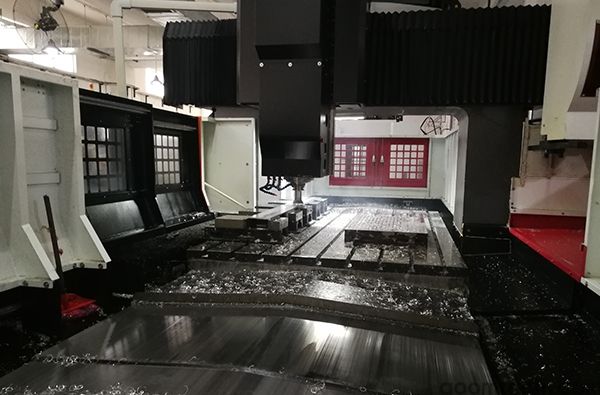
Flexibility and Responsiveness
Small-batch CNC production often requires quick adjustments. A good supplier must be flexible in handling design changes, quantity updates, and urgent delivery requests.
For example, if a design issue is discovered during production, the supplier should be able to quickly modify machining programs and continue production with minimal delay.
To evaluate flexibility, consider asking about:
Lead time for design modifications
Ability to scale production up or down
Response time to engineering requests
Cost - Effectiveness
Although small-batch production usually has higher unit costs, an experienced supplier can still optimize pricing. Efficient machining strategies, reduced setup time, and smart material usage all help reduce overall cost.
When comparing suppliers, request a detailed cost breakdown that includes:
Material costs
Machining time and labor costs
Surface finishing or post-processing costs
Packaging and shipping fees
Balancing cost with quality and delivery time is essential when selecting a supplier.
Evaluating Suppliers for Custom Small - Batch CNC Machined Parts
Equipment and Facilities
The quality of CNC machining depends heavily on equipment. A reliable supplier should have a range of CNC machines such as milling machines, turning centers, and multi-axis machining systems.
Modern and well-maintained machines improve precision and reduce production errors. It is also important that the supplier has proper facilities for material storage, inspection, and finishing processes.
When evaluating, consider asking:
What types of CNC machines are used?
How old is the equipment?
What maintenance schedule is followed?
Industry Experience and Reputation
Experience plays a key role in reliability. Suppliers with long-term industry experience are more likely to understand production challenges and deliver consistent results.
To evaluate reputation, you can:
Read online customer reviews
Request client references
Review case studies of past projects
Check industry forums and platforms
A supplier experienced in your industry will better understand your technical and quality requirements.
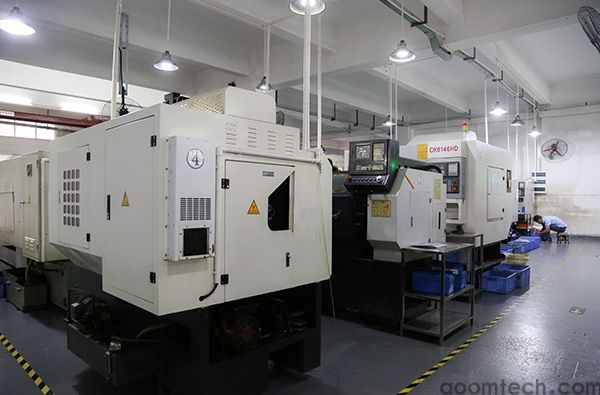
The Supplier - Customer Relationship
Communication
Strong communication is essential for successful CNC projects. A reliable supplier provides clear updates from quotation to final delivery. They should respond quickly to questions and provide regular production progress reports.
Good communication reduces misunderstandings and ensures that the final product meets expectations.
After - Sales Service
After-sales support is another important factor. A professional supplier will provide assistance even after delivery, including technical support, warranty handling, and advice on part usage or installation.
This level of support shows that the supplier is committed to long-term customer satisfaction, not just one-time production.
Conclusion
Selecting a Reliable Supplier for Custom Small - Batch CNC Machined Parts requires careful evaluation of technical expertise, quality systems, flexibility, cost control, equipment, and communication. By focusing on these factors, businesses can reduce risks and ensure high-quality production results.
Using key evaluation strategies such as evaluating suppliers for custom small - batch CNC machined parts and understanding quality assurance for reliable small - batch CNC part suppliers will help you make better sourcing decisions. Ultimately, the right partner can significantly improve product development efficiency and manufacturing success.
 Process of Custom High-Precisi
 CNC Machining Parameter Settin
 5 Key Tips for CNC Machining o
 Small-batch Precision Parts 5-