


How to Calculate the CNC Machining Price of Non-Standard Parts
How to Calculate the CNC Machining Price of Non - Standard Parts
Understanding How to Calculate the CNC Machining Price of Non - Standard Parts is very important for engineers, buyers, and product designers. Non-standard CNC parts are custom-made, so their price is not fixed. It depends on material, complexity, precision, quantity, and several cost components such as machine time, tooling, labor, and overhead.
This article explains a practical way to estimate CNC machining costs using simple language and real-world logic. It follows common industry pricing principles used in manufacturing shops worldwide.
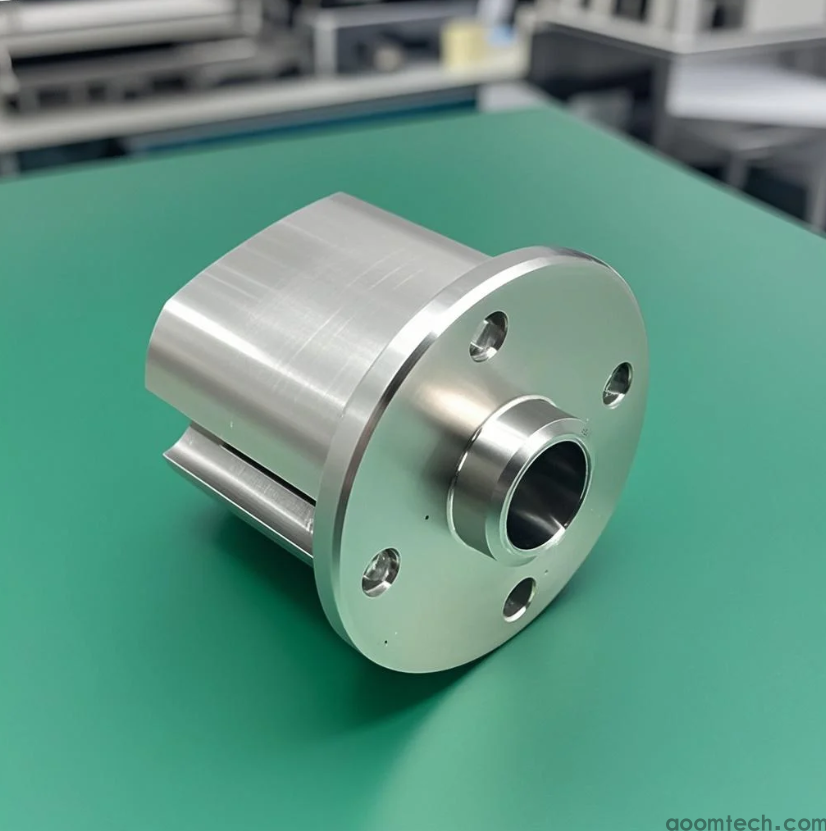
Key Factors Affecting the Price of Non - Standard CNC Machined Parts
Material Selection
Material is one of the most important cost drivers in CNC machining. Different materials have very different prices and machining difficulty levels.
Aluminum: Easy to machine, low cost, widely used in general parts.
Mild steel / stainless steel: Stronger and more durable but harder to machine, increasing tool wear and machining time.
Plastics (ABS, POM): Generally low cost and fast to machine.
Titanium and high-performance alloys: Very expensive and difficult to machine, requiring special tools and slower cutting speeds.
In material-based price calculation for non-standard CNC parts, harder materials increase cost in two ways: higher raw material price and longer machining time due to tool wear and slower cutting speeds.
Part Complexity
The more complex a part is, the higher its machining cost. Complexity affects programming time, machine setup, and processing time.
Complex features include:
Deep cavities or pockets
Multiple holes at different angles
Thin walls or delicate structures
3D curved surfaces
A simple block may only require one setup on a 3-axis machine. However, a complex aerospace bracket may require 5-axis machining, multiple setups, and advanced CAM programming. This is why part complexity and CNC machining price of non-standard parts are strongly connected.
Precision Requirements
Tighter tolerances increase machining difficulty and cost. For example:
±0.1 mm tolerance: standard machining, lower cost
±0.05 mm tolerance: moderate precision, higher inspection effort
±0.01 mm tolerance: high precision, slower machining and more quality control
High precision requires better machines, sharper tools, slower cutting speeds, and frequent measurement checks. This increases both machine time and labor cost.
Quantity
Quantity has a major effect on unit price. This is due to fixed setup costs being spread across all parts.
In quantity-related price calculation for non-standard CNC-machined parts:
Small batch (1–10 pcs): high cost per part due to setup and programming time
Medium batch (10–100 pcs): reduced cost per unit
Large batch (100+ pcs): lowest cost per unit due to economies of scale
Even if material and machining time remain the same, setup cost per part decreases significantly with higher quantity.
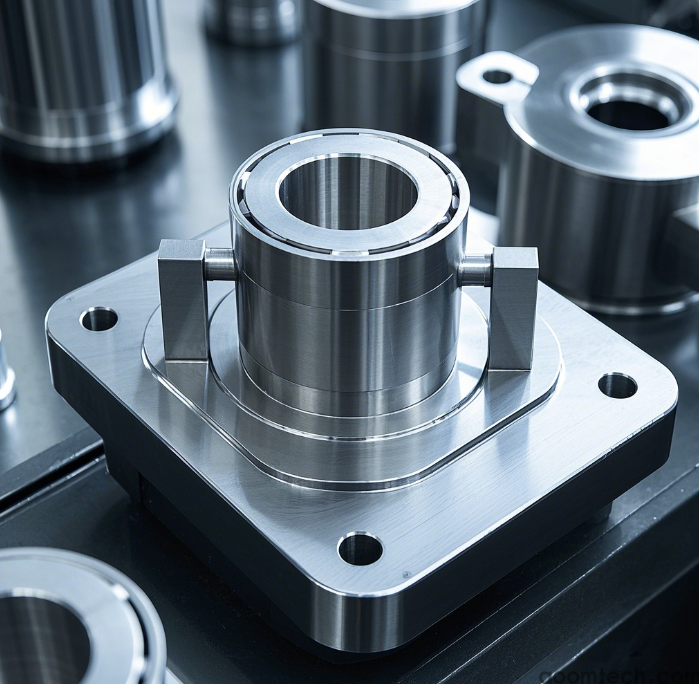
Main Components of CNC Machining Cost Calculation
1. Material Cost
Material cost is calculated based on volume or weight and unit price.
Common formulas:
Material Cost = Volume × Density × Unit Price
or
Material Cost = Weight × Unit Price
Additional costs may include cutting raw stock, waste material, or heat-treated blanks.
2. Machine Time Cost
Machine time is usually the largest part of CNC pricing.
To calculate:
Estimate machining time for each operation (milling, turning, drilling, finishing)
Add total machining time
Multiply by machine hourly rate
Formula:
Machine Cost = Total Machining Time × Machine Hourly Rate
Example: If a part takes 2.5 hours on a CNC machine and the hourly rate is $40:
Machine Cost = 2.5 × 40 = $100
5-axis machines usually cost more per hour than 3-axis machines due to higher capability and complexity.
3. Tooling Cost
Cutting tools wear out over time, so their cost must be included.
Tooling cost is calculated by dividing tool cost by tool life (number of parts produced).
Example:
End mill costs $50
Tool life = 100 parts
Tooling Cost per part = 50 ÷ 100 = $0.50
Special tools or custom tools will increase total cost significantly.
4. Labor Cost
Labor includes machine setup, programming, operation monitoring, and quality inspection.
Formula:
Labor Cost = Labor Hours × Hourly Wage
Example:
Setup + monitoring time: 1.5 hours
Operator wage: $20/hour
Labor Cost = 1.5 × 20 = $30
Complex parts may also require CNC programming time from engineers, increasing labor costs further.
5. Overhead and Profit
Manufacturers must include overhead costs such as:
Factory rent
Electricity and water
Machine maintenance
Administrative costs
Overhead is usually calculated as a percentage of direct costs (material + machining + labor + tooling).
Typical values in the CNC industry:
Overhead: 10%–30%
Profit margin: 10%–25%
Full CNC Price Calculation Example
Let’s assume a simple part:
Material cost: $20
Machine time cost: $100
Tooling cost: $5
Labor cost: $30
Subtotal = 20 + 100 + 5 + 30 = $155
Overhead (20%) = $31
Subtotal = $186
Profit (15%) = $27.9
Final Price ≈ $214
Tips for Getting an Accurate CNC Price Quote
To get a reliable quote, you must provide complete and clear information to the machining supplier.
Provide a detailed 3D CAD model or engineering drawing
Clearly define all dimensions and tolerances
Specify surface finish requirements
State material type and grade
Include required quantity
Mention special processes (heat treatment, anodizing, coating)
Missing information often leads to inaccurate pricing or unexpected cost increases later.
Conclusion
Understanding How to Calculate the CNC Machining Price of Non - Standard Parts helps buyers make better decisions and avoid unexpected costs. CNC pricing is not random—it is based on material cost, machining time, tooling, labor, and overhead.
By learning the logic behind pricing and preparing complete technical data, you can get more accurate quotes and better control your manufacturing budget.
 How to Ensure Precision in CNC
 Small Batch Precision CNC Mach
 What surface finish can CNC ma
 CNC Machining Tolerance Settin