


Precautions for CNC Machining of Automotive Parts
Precautions for CNC Machining of Automotive Parts are essential to ensure that every component meets strict requirements for safety, durability, and performance. In the automotive industry, even a small machining error can lead to serious problems such as part failure, reduced vehicle life, or safety risks. That is why manufacturers must carefully control every stage of CNC machining, from material selection to final inspection.
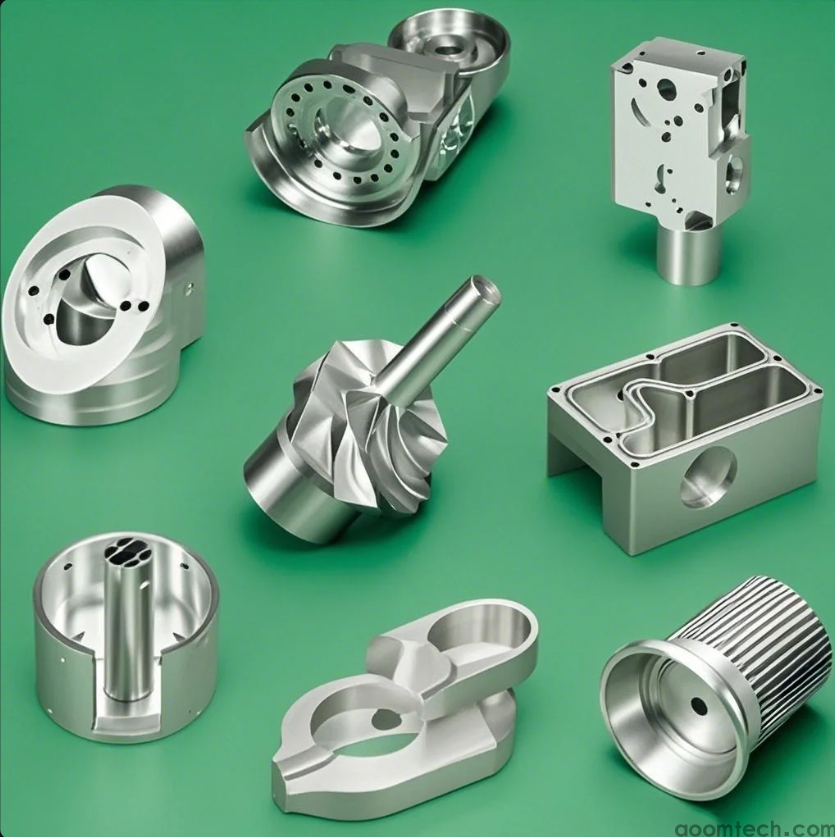
Importance of Precautions in Automotive CNC Machining
Automotive parts are used in highly demanding environments. Components such as engine parts, transmission systems, braking systems, and suspension parts must work under heat, pressure, vibration, and long-term wear. Without proper precautions, defects like dimensional errors, surface cracks, or weak structures may occur.
Following strict material selection precautions in automotive CNC machining, correct machine setup, and reliable quality control processes helps manufacturers improve product reliability, reduce waste, and ensure compliance with automotive safety standards.
Material-Related Precautions
Material selection is one of the most critical steps in CNC machining for automotive parts. Different components require different material properties depending on their function and working conditions.
For example, engine parts often require high-strength alloys that can withstand high temperature and pressure. Suspension or structural parts may need materials with excellent fatigue resistance. Body components may focus more on lightweight materials such as aluminum alloys to improve fuel efficiency.
Key material properties to consider include:
Tensile strength: Ability to resist pulling forces without breaking.
Fatigue resistance: Ability to withstand repeated stress cycles over time.
Corrosion resistance: Protection against rust and environmental damage.
In addition, material certification and supplier quality control are essential. Certified materials ensure consistent chemical composition and mechanical properties. Without proper certification, even small variations can affect machining results and final part performance.
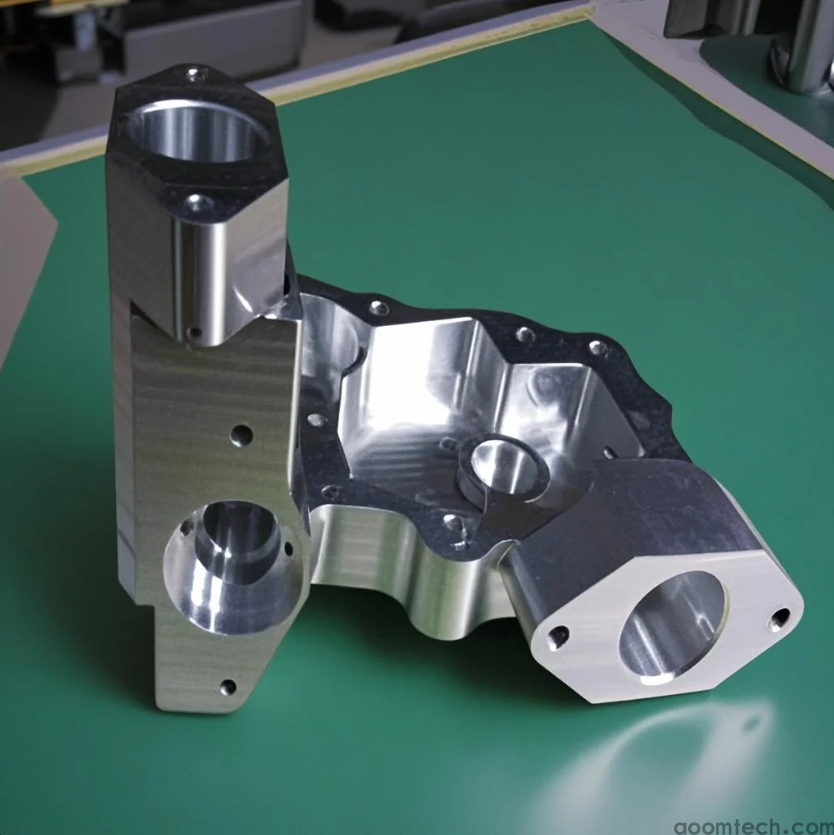
Machine Setup and Calibration
Proper machine setup is essential for achieving high accuracy in automotive CNC machining. A poorly set machine can lead to vibration, misalignment, and dimensional errors.
Workpieces must be securely fixed using suitable fixtures to prevent movement during machining. Even small vibrations can affect surface finish and precision, especially for tight-tolerance automotive parts.
Regular machine calibration is also required. This ensures that all machine axes move accurately according to programmed values. Spindle alignment, axis calibration, and tool-changing system checks should be performed on a scheduled basis.
Basic Machine Setup Checklist
Verify machine leveling and stability
Check spindle alignment and runout
Inspect fixture condition and tightening force
Confirm tool holder accuracy and cleanliness
Calibrate X, Y, and Z axes regularly
Test tool changer operation
Following this checklist helps reduce errors and ensures stable production quality.
Tooling Considerations
Tool selection plays a major role in machining efficiency and part quality. Using the wrong tool can cause rapid wear, poor surface finish, or even tool breakage.
Tooling precautions for automotive part CNC machining include choosing the correct tool material, geometry, and coating based on the workpiece material.
Carbide tools are commonly used for machining hard alloys because they offer high wear resistance and maintain sharp cutting edges at high speeds. Tool geometry must also match the machining operation, such as rough cutting, finishing, or deep cavity machining.
Proper tool maintenance is equally important. Tools should be regularly inspected for wear, chipping, or deformation. Lubrication and cooling must be applied correctly to reduce heat and extend tool life.
Replace worn tools before failure occurs
Use correct coolant for heat reduction
Store tools in dry and clean environments
Ensure proper tool balancing at high speeds
Cutting Parameters Optimization
Cutting parameters such as spindle speed, feed rate, and depth of cut directly affect machining quality and efficiency. Incorrect settings can lead to poor surface finish, tool damage, or dimensional inaccuracies.
Each material requires different machining conditions. For example, aluminum alloys can be machined at higher speeds, while steel and titanium require lower speeds and stronger cutting forces.
General guidelines include:
Hard materials: Lower speed, moderate feed, shallow depth of cut
Soft materials: Higher speed, higher feed, deeper cuts possible
Finishing operations: Low feed rate for better surface quality
Optimizing these parameters improves tool life, reduces machining time, and ensures stable part quality.
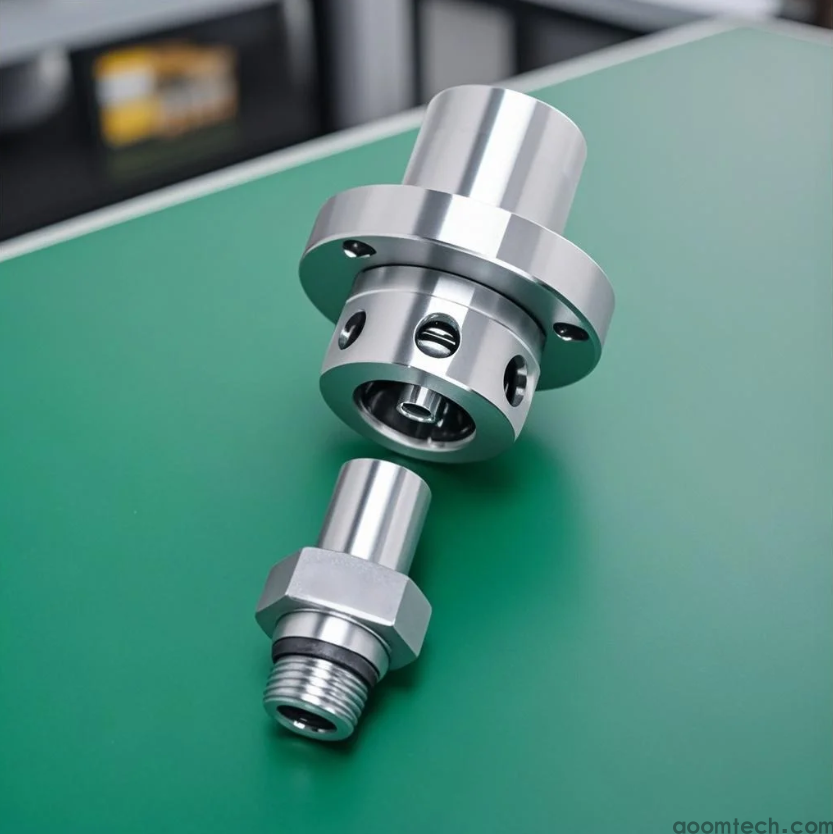
Programming Accuracy
Accurate programming is essential for producing precise automotive components. Modern CNC machining relies heavily on CAD/CAM software to generate tool paths based on digital models.
The system must consider part geometry, tolerances, and machining strategy. Incorrect programming can result in collisions, overcutting, or incomplete machining.
Simulation is a critical step before actual machining. It allows engineers to visualize the machining process, detect tool collisions, and verify tool paths. This reduces costly errors and improves production safety.
Proper programming also includes optimizing tool path efficiency to reduce unnecessary movements and improve cycle time.
Quality Control and Inspection
Strict quality control is essential in automotive manufacturing because safety depends on part reliability. A strong quality control precautions in automotive part CNC machining system ensures that every component meets design specifications.
Common inspection tools include calipers, micrometers, and Coordinate Measuring Machines (CMMs). These tools help verify dimensional accuracy and geometric tolerances.
For internal defects, non-destructive testing methods such as ultrasonic testing can detect cracks or voids that are not visible on the surface.
Inspection Stages
In-process inspection: Checks parts during machining to detect early errors
First article inspection: Verifies the first produced part before mass production
Final inspection: Ensures finished parts meet all specifications
Continuous inspection helps reduce scrap rates and ensures consistent product quality.
Conclusion
Applying proper Precautions for CNC Machining of Automotive Parts is essential for producing safe, reliable, and high-performance automotive components. From material selection and machine calibration to tooling, programming, and quality control, every step plays a critical role in final product quality.
By following industry best practices and maintaining strict process control, manufacturers can reduce defects, improve efficiency, and meet the demanding standards of the modern automotive industry.
 Process of Custom High-Precisi
 CNC Machining Parameter Settin
 5 Key Tips for CNC Machining o
 Small-batch Precision Parts 5-