


Surface Treatment for CNC Machined Parts
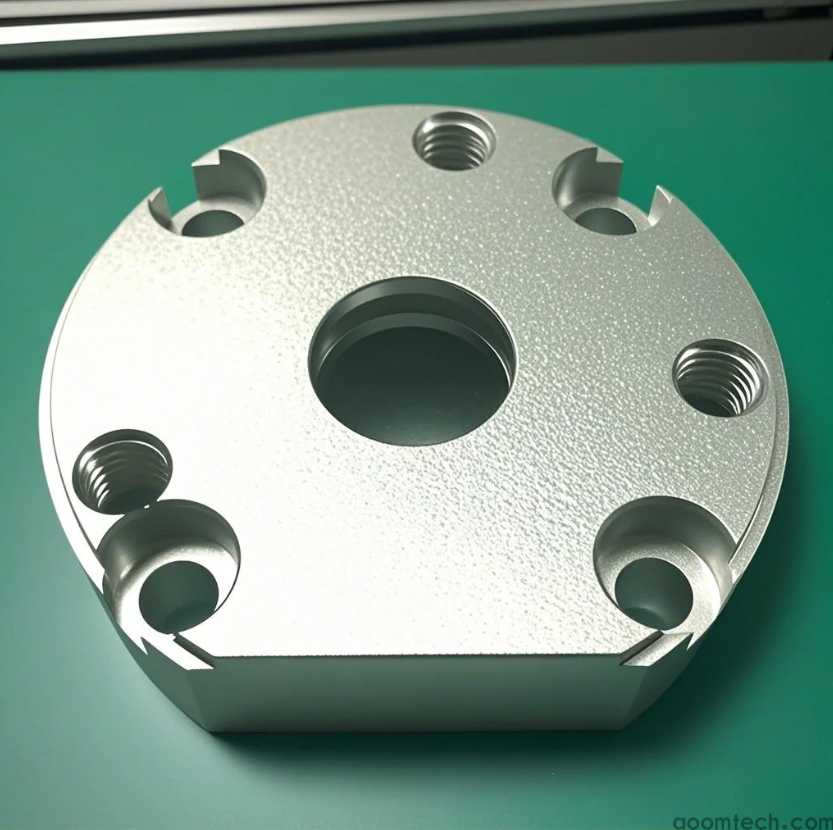
Surface treatment is an important step after CNC machining. Even when a part is accurately machined, its surface may still be vulnerable to corrosion, wear, or poor appearance. That is why Surface Treatment for CNC Machined Parts is widely used in industries such as automotive, aerospace, electronics, and consumer products.
The main purpose of surface treatment is to improve the performance and appearance of a part. It can help increase corrosion resistance, improve wear resistance, reduce friction, and create a better visual finish. In many real-world applications, surface treatment is not optional—it is required for the part to function properly and last longer.
Types of Surface Treatments
Electroplating
Electroplating is a common method used to coat a metal part with a thin layer of another metal using an electric current. The CNC-machined part is placed in a chemical solution, and metal ions are deposited onto its surface.
Different metals can be used for plating depending on the desired result:
Nickel plating: Offers strong corrosion resistance and moderate hardness. It is widely used for industrial components and electronic parts.
Chromium plating: Provides a very hard, shiny surface with excellent wear resistance. It is often used in automotive parts and decorative components.
Electroplating for CNC machined parts is commonly used in industries where both appearance and durability are important, such as tools, automotive trims, machine parts, and consumer electronics.
Anodizing
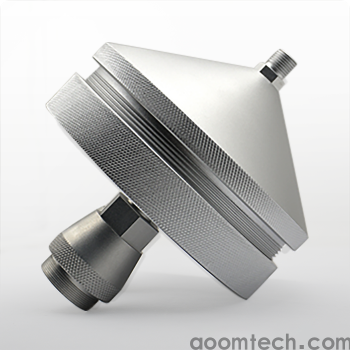
Anodizing is mainly used for aluminum parts. It is an electrochemical process that creates a controlled oxide layer on the surface of the metal. This layer is not applied on top but formed from the aluminum itself, making it very durable and well bonded.
Anodizing of CNC-machined aluminum parts improves corrosion resistance and surface hardness. It also allows color dyeing, so parts can be made in black, red, blue, gold, and many other colors.
Common applications include smartphone bodies, laptop casings, camera parts, bicycle frames, and aerospace components. Anodized surfaces are popular because they are lightweight, strong, and visually attractive.
Powder Coating
Powder coating in CNC machining is a finishing process where dry powder is electrostatically applied to a part and then heated in an oven. The powder melts and forms a smooth, durable coating layer.
This method provides excellent durability and resistance to scratches, chemicals, and weather conditions. It also offers a wide range of colors and surface textures, such as matte, glossy, or textured finishes.
Powder coating is widely used for outdoor equipment, metal furniture, machine housings, and industrial structures. It is also considered environmentally friendly because it does not use harmful solvents.
Heat Treatment as Surface Treatment
Heat treatment is sometimes used to modify the surface properties of CNC-machined parts, especially metals. Although it affects the entire material, it significantly improves surface hardness and strength.
Common processes include:
Quenching: Rapid cooling after heating, increasing hardness.
Tempering: Reduces brittleness while maintaining strength.
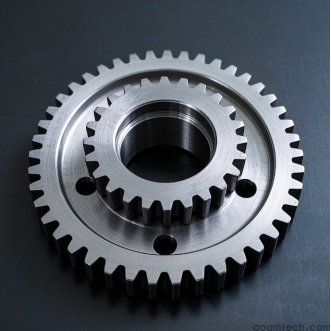
Heat treatment as surface treatment for CNC parts is often used for gears, shafts, cutting tools, and other high-stress components where strength and wear resistance are critical.
Factors Affecting Surface Treatment Selection
Material Type and Application
The choice of surface treatment depends heavily on the material of the CNC-machined part. For example, aluminum is commonly anodized, while steel is often electroplated or heat treated. Plastics may require painting or special coating methods instead.
The final application is also very important. Aerospace parts require high reliability and corrosion resistance. Automotive parts need durability and cost efficiency. Consumer products often focus more on appearance and surface feel.
Cost Considerations
Different surface treatments have different cost levels. Electroplating is generally moderate in cost but may increase depending on the metal used. Anodizing is cost-effective for aluminum parts and provides strong performance. Powder coating is also economical and suitable for large batches.
Heat treatment costs depend on the process complexity and material type. In most cases, manufacturers must balance performance requirements with budget limitations to choose the best solution.
Conclusion
Surface finishing plays a key role in the performance and lifespan of machined parts. Choosing the right method ensures that a product not only looks good but also performs reliably under real working conditions.
Understanding Surface Treatment for CNC Machined Parts helps engineers, designers, and buyers make better decisions. Whether using electroplating, anodizing, powder coating, or heat treatment, each method offers unique benefits that support different industrial needs.
 Process of Custom High-Precisi
 CNC Machining Parameter Settin
 5 Key Tips for CNC Machining o
 Small-batch Precision Parts 5-